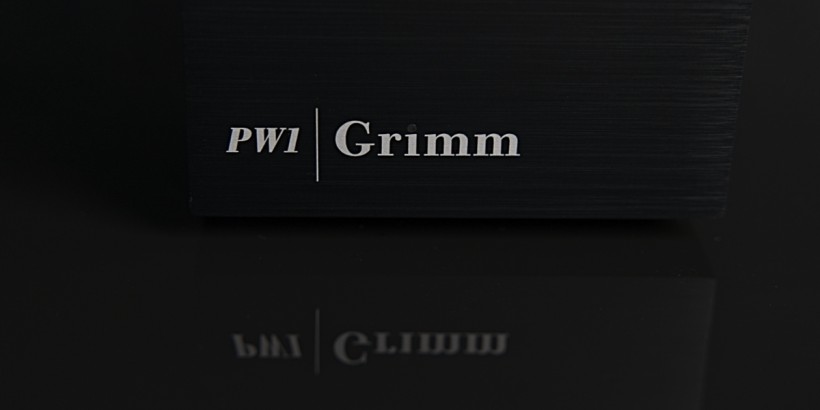

A renowned Dutch audio manufacturer, Grimm Audio, surprised even some of its fans with one of their latest addition to the lineup, a phono stage, which premiered at Munich High End Show 2025. Some time after the Show, a package arrived at my doorstep, so let me share everything I found out and liked about the Grimm Audio PW1.
Introduction
A few weeks before the Munich High End Show, I received a concise email from Eelco Grimm, the co-founder and creative director for the company, who, next to Guido Tent, is the driving force behind the brand. It said simply: „Right after the Show, we will have a demo unit of the PW1 phono stage ready for you”. My first reaction was obvious – sure, I’ll be happy to get to know yet another of your products – reply sent. Only minutes later, it hit me – wait, what? A phono stage? From Grimm Audio?
As some of you may remember, I reviewed the MU-2 (see HERE), a Roon-based streamer, DAC, and preamplifier, all in one, so a clearly digital component. It’s a marvelous piece of machinery that wowed me with its outstanding performance and versatility. Other products by Grimm Audio that I had enjoyed listening to at some shows were active speakers. In other words, a phono stage seemingly did not quite fit the brand’s profile, as I understood it. That’s why the first thing I said to Eelco, when we met in Munich, was: I thought you specialized in digital products. So how come you’ve developed a phono stage? His answer was very simple, as he said something like: We specialize in good sound, whether digital or analog, it doesn’t matter. And so, at the Munich Show, I took the first look at the PW1 from the outside, but Eelco also presented its ‘guts’ to me. It features a small, but packed-full chassis that effectively shields the sensitive circuits inside. It also doesn’t cost a fortune (in audiophile terms, I mean) and yet, Eelco proudly presented it as another huge achievement of his company. The phono stage is a brainchild of the brand’s co-founder, Peter van Willenswaard. He is the most famous Dutch phono stage designer, hence the letters ‘P’ & ‘W’ in the PW1 designation. Actually, as explained by Eelco, these stand for both Peter van Willenswaard and Phono Wizard.
While Mr. Willenswaard is famous for his tube designs, this time for Grimm Audio, he developed a solid-state device. The premise for PW1 was that, for one, it would deliver a classy performance, obviously, but secondly, that it would be able to challenge any other design, regardless of whether solid-state or tube-based, performance-class-wise. I was truly intrigued and excited, and so we agreed that I would get PW1 sometime after the show to check it out in my rig. After all, I am a huge vinyl fan, so how could I have refused the temptation to experience yet another phono preamplifier promising excellent sound? I am also a tube aficionado, so a transistor device developed by an experienced tube aficionado was particularly interesting to me.
I should mention that it also so happened that shortly after the device arrived, I ‘went out of commission’ for almost 3 months due to some health issues, and so the device had to wait for my comeback. At some point, it turned out that there was an upside to the situation. When I finally got back on my feet, I still wasn’t quite able to work, which allowed me to visit the Netherlands. Eelco, who heard about me coming to not-so-distant Maastricht, invited me to visit Grimm Audio’s headquarters in Veldhoven, and I gladly accepted.
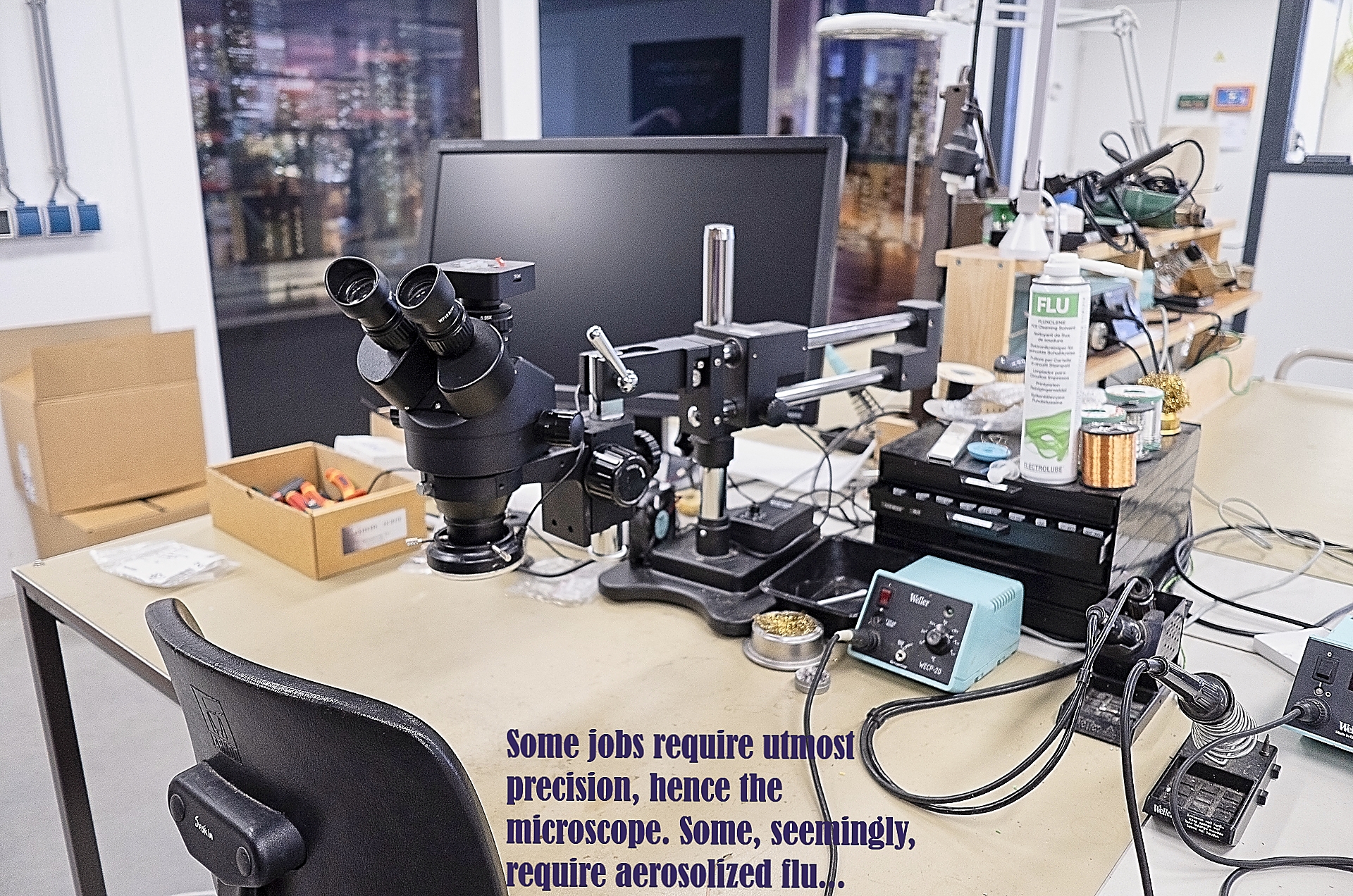
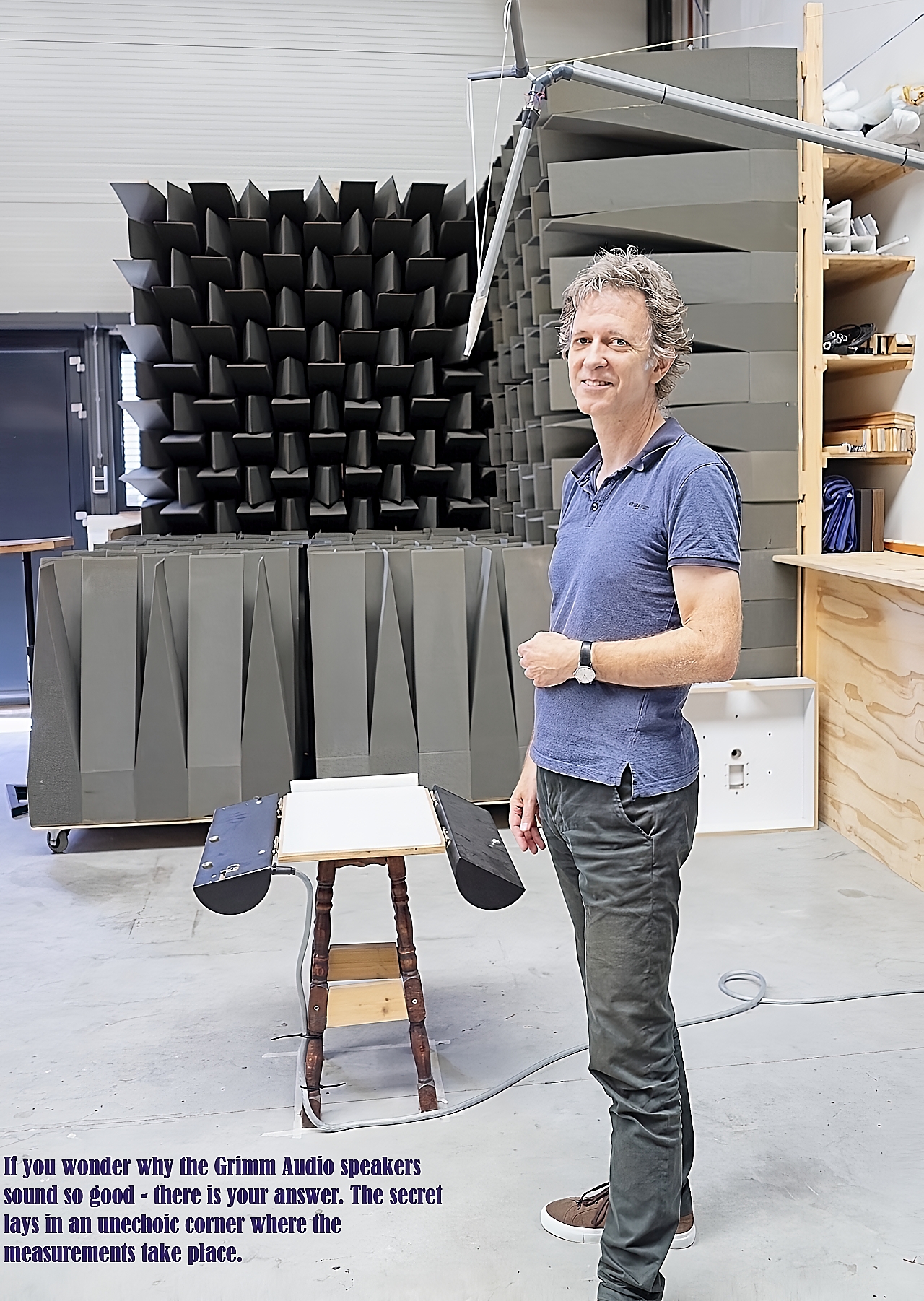
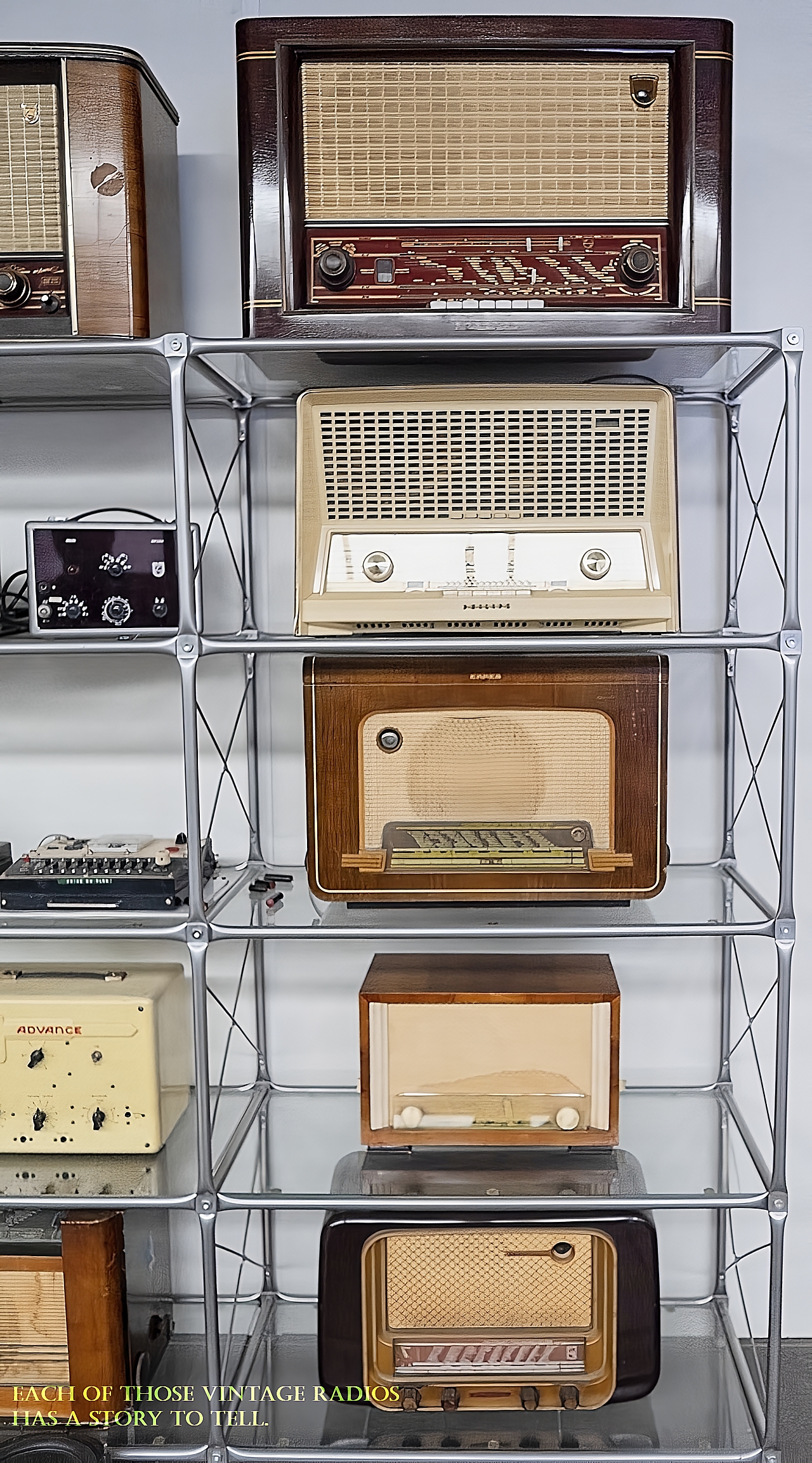
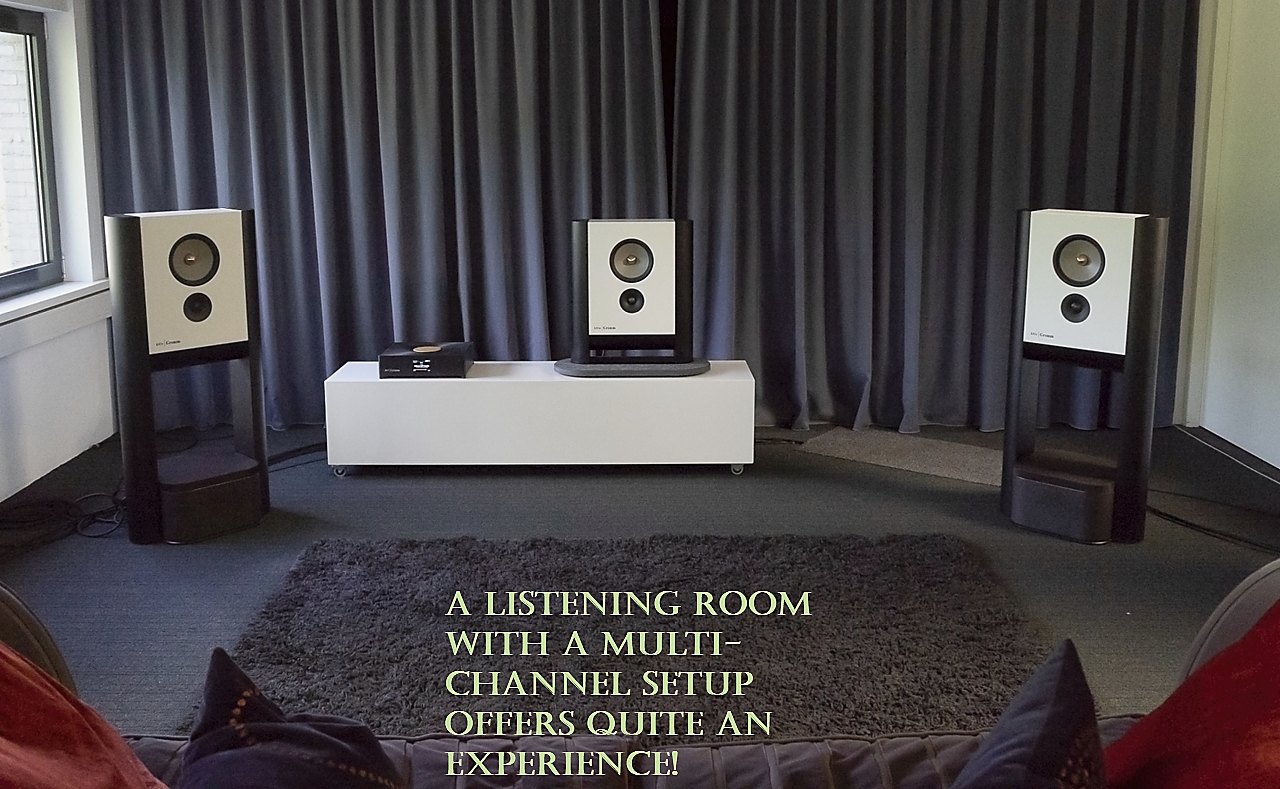
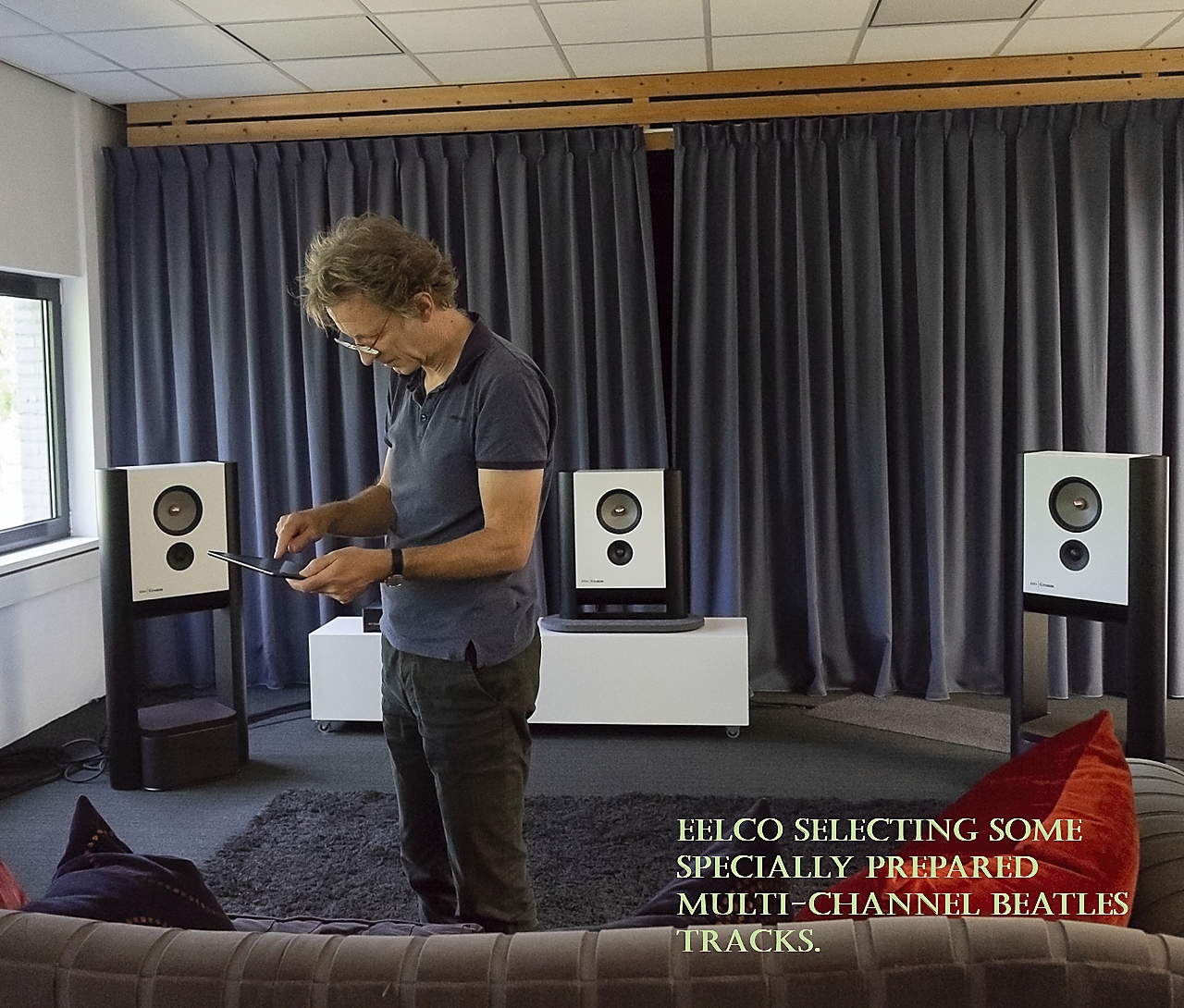
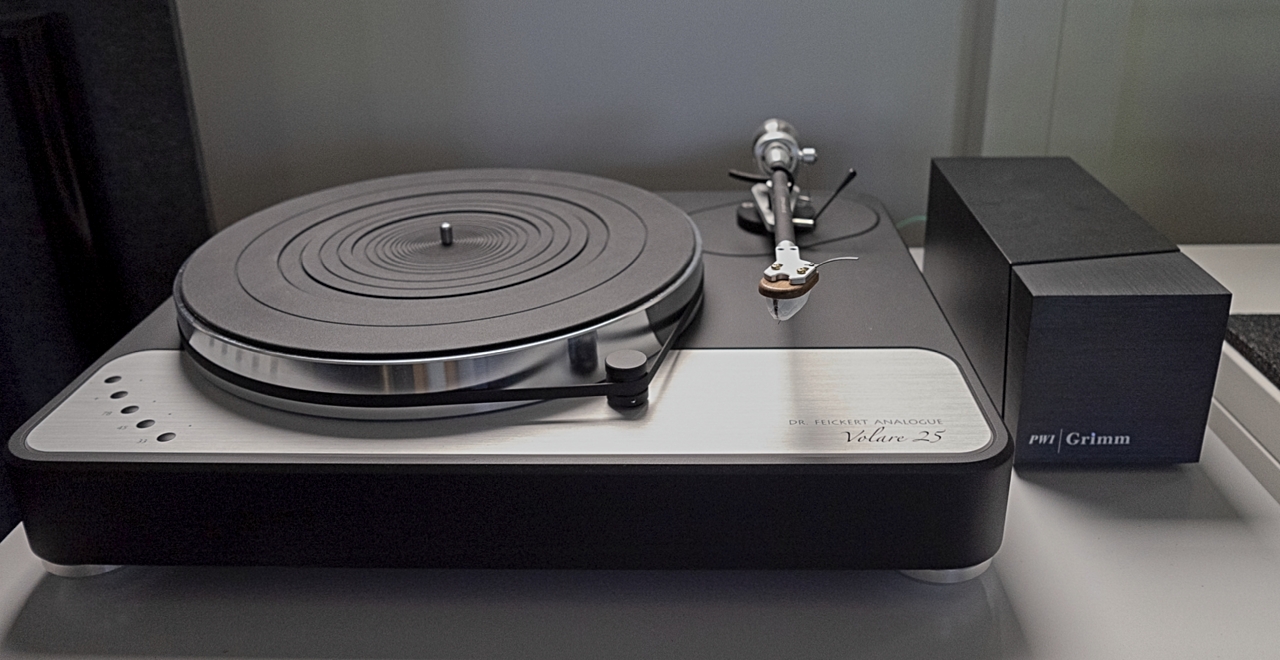
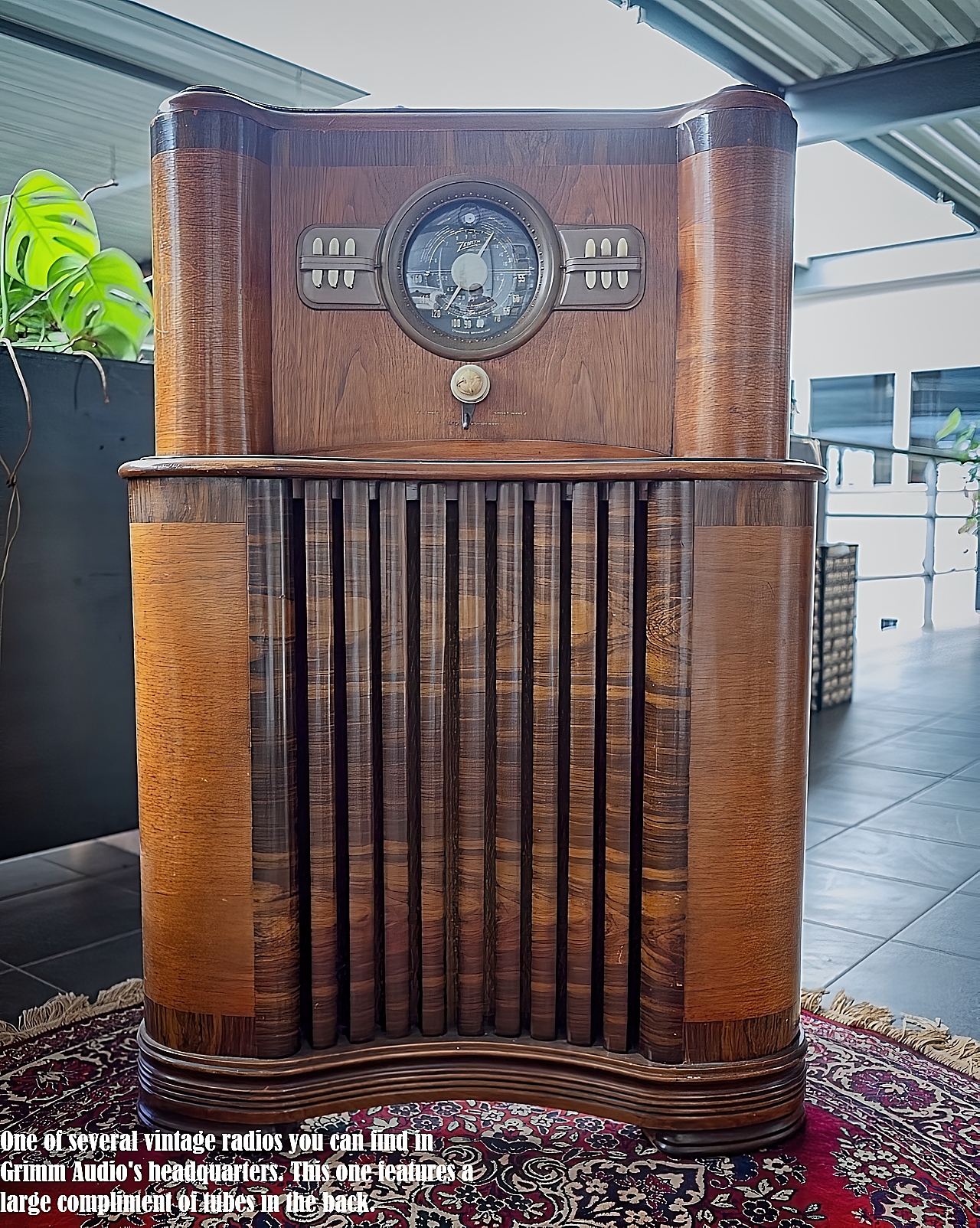
And so, on a beautiful September day, I drove to Veldhoven to meet Eelco on his own turf, so to speak. Although some of the crew members were still on vacation at the time, while visiting the premises, I had a chance not only to spend some time in a listening room, but I was also given a tour of the facilities and met many of the people who actually design and build Grimm Audio components. Below are photos documenting the visit.


Design & Features
As already stated, Grimm Audio PW1 is a solid-state MM & MC phono stage. It is deceivingly small. I mean, sure, iFi Audio (the first one that came to my mind) makes even way smaller phono preamplifiers. Still, while they offer an excellent price/performance ratio, they also belong to a quite different price/performance category. Today, most companies develop huge components as if to say that the size guarantees top performance. That’s not the path chosen by Mr. Willenswaard. Remember that Grimm Audio is an engineering company, so usually form follows function, not the other way around, and they do not really do things ‘for show’.
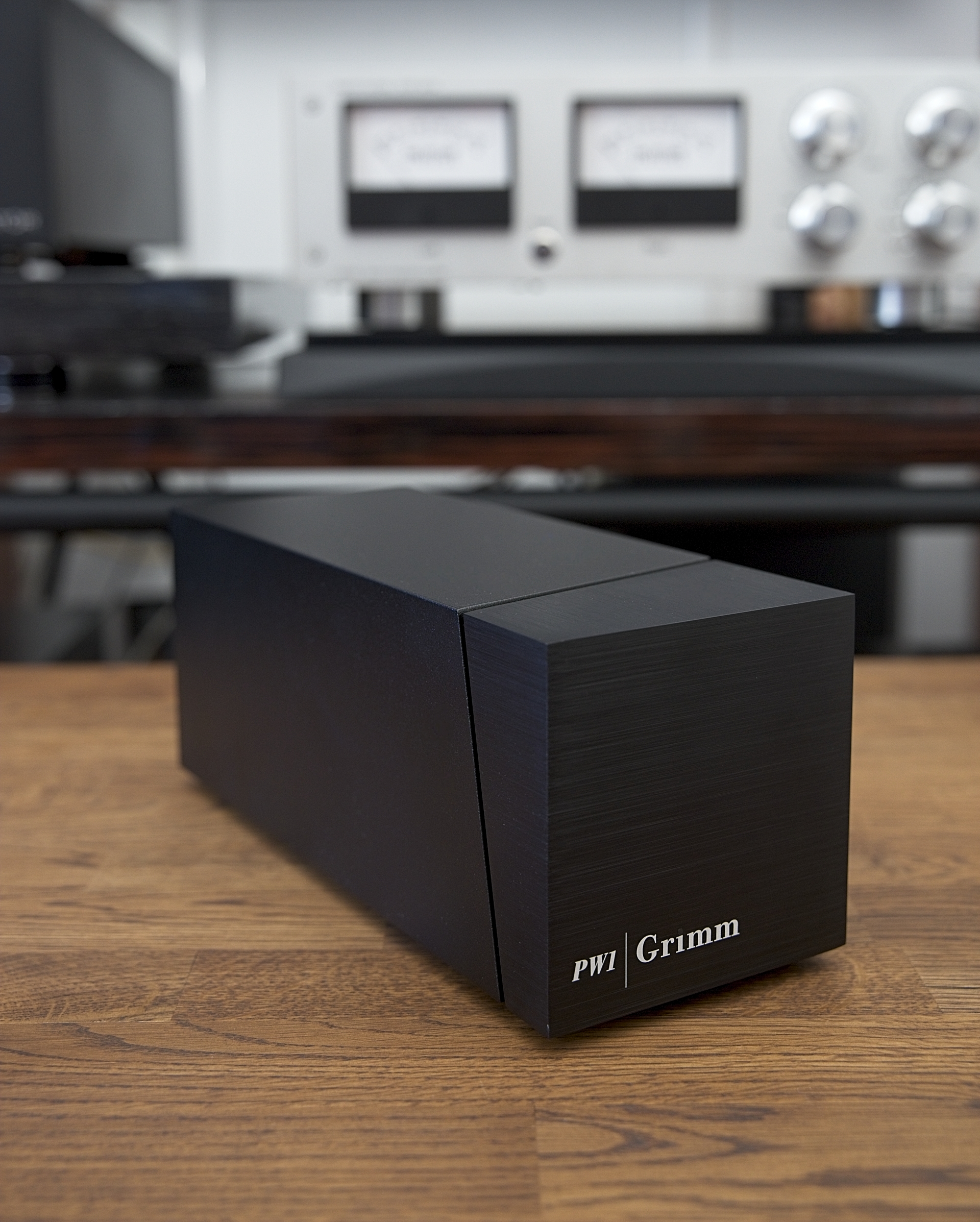
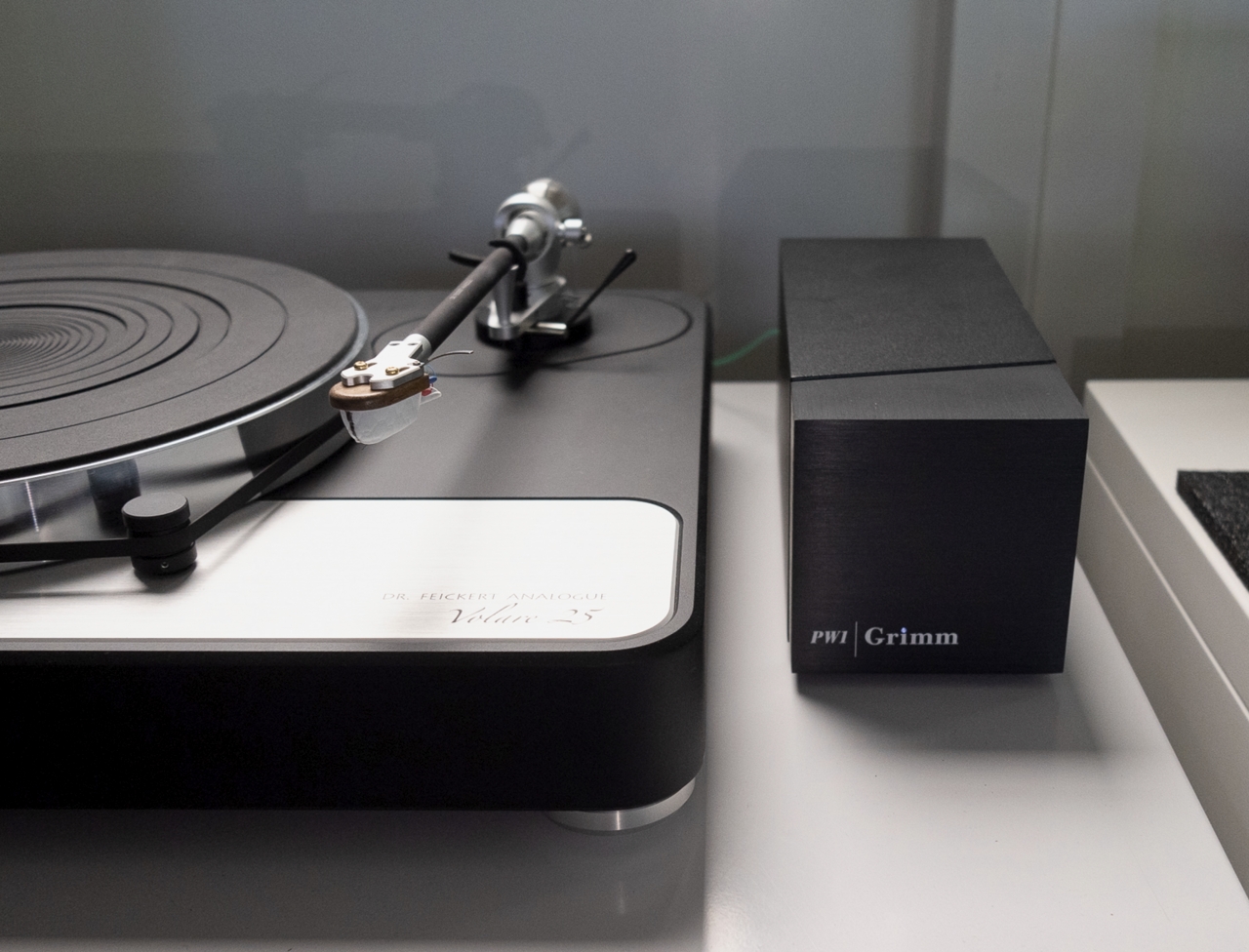
As a result of such an approach, PW1 is as small as possible, but not smaller (to paraphrase a phrase commonly attributed to Einstein). It measures only 100 x 100 x 250mm (WxHxD) and weighs, I guess (as somehow I didn’t find it at first in the specifications and I didn’t care to put it on any scale), around 3 kg (3,3 actually, so a good guess on my side). Placed next to my GrandiNote Celio MK IV, it looked like a toddler against a teenager, and Celio is not even a large device. Looks, also in audio, can be deceiving, though, and, price-wise, these two devices belong to the same category. Also, the Italian counterpart had proven itself many, many times against much more expensive competitors, so why would it be any different with the Dutch called Phono Wizard?
On the practical side, Grimm Audio PW1’s circuits sit in a rigid, well-made black chassis. It offers two RCA inputs, one for MM and the other for MC cartridges, accompanied by a brass ground post. The rear panel of the device also hosts two outputs, RCA and XLR, an IEC power inlet, and the main switch. The only downside of such a small chassis is a very small space for all the connectors, which leads to placing them closely together. It is worth remembering that separation, particularly of the power cable, is highly advised – one should always try to lead it as far away from signal cables as possible, and the size of PW1 doesn’t make it easy (but doable). 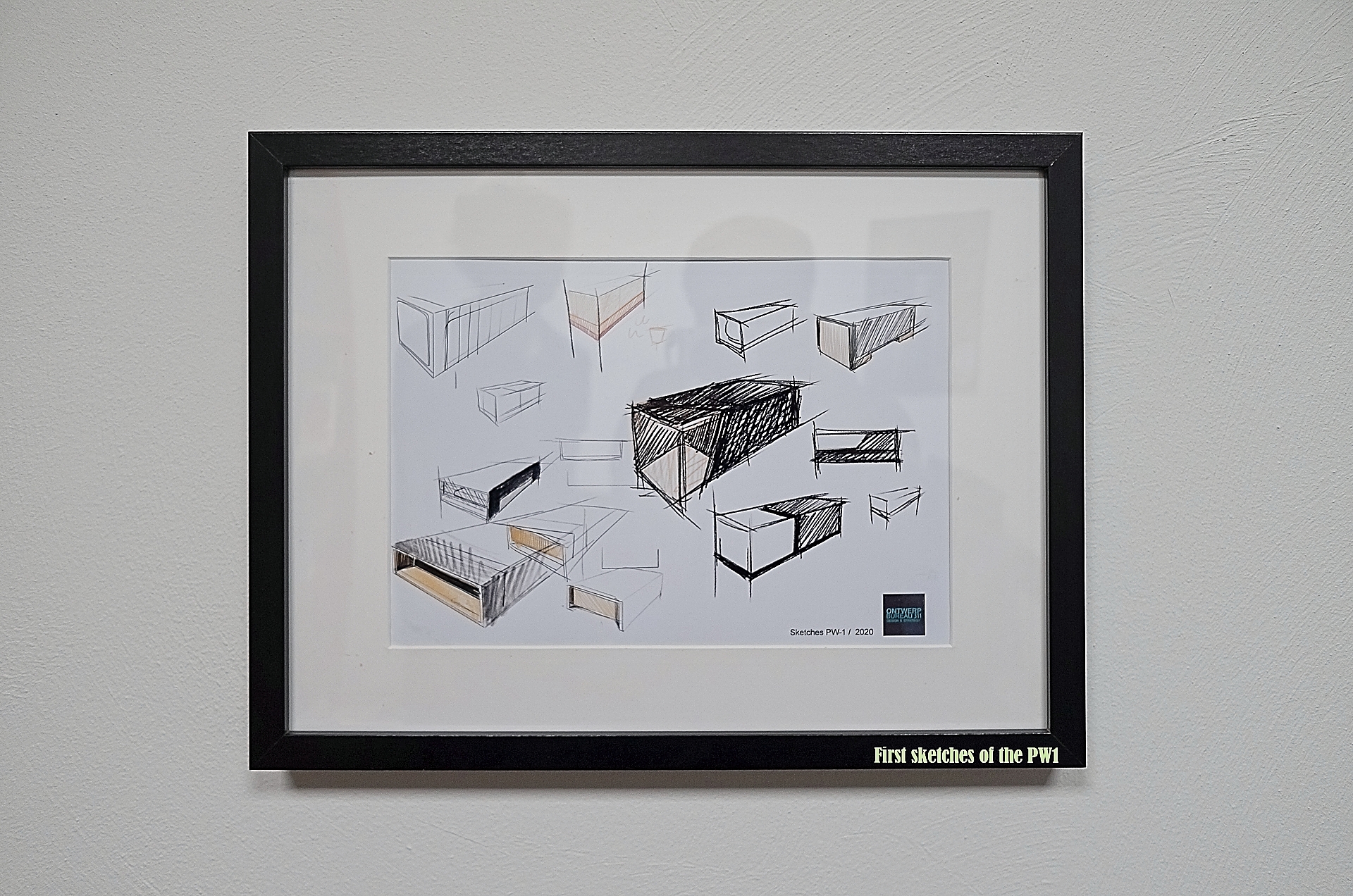 There is one more curious thing about the very rigid chassis – it doesn’t really feature any feet but rather sort of rubber (?) stripes underneath. As you shall read below, it performed really well sitting on those stripes, so I assume those were not an accidental choice. Still, if that’s not enough for you, for aesthetic or otherwise reasons, you can always add some aftermarket anti-vibration feet of your choosing.
Several key elements make PW1 what it is, but the general approach taken by the designer was to make is as simple as possible (but not simpler). A bespoke power transformer, carefully designed power supplies, and equally carefully selected FETs, three per channel (plus one bipolar transistor in a cascode) that act as active components in signal amplification (rather than op-amps, that Mr. Peter van Willenswaard tried out and rejected), and copper shielding are only some of the key elements of the design. I could try to expand on the design of the PW1 myself, but no matter how hard I’d try, I couldn’t do it as well as the man himself, so if you’re interested, click the link HERE.
What about the cartridge settings, you may ask. Unlike my ESE Lab Nibiru, but rather like my Celio MK IV, PW1 offers a range of selectable settings that, while not as abundant as in the case of some competitors, should be sufficient for any cartridge. Instead of going with the flow, which simplifies settings’ adjustment, as some devices allow you to do it with knobs on the front, or even using a remote control, Grimm Audio decided on the ‘good old’ micro-switches. What’s interesting about those is where the designer decided to put them. When you flip the device upside down, or at least on the side, you will find a sort of cover screwed down with two screws on the bottom. Don’t worry, these are easy to operate by hand. Unscrew them and slide the cover to the side. It will give you access to several micro-switches. Depending on the cartridge, MM, MC, or HO (high output) MC, you will use some of them. You can choose whether you use MM or MC (for Ho MC, one usually uses the MM setting). Selecting MM automatically means also a typical resistive load for such cartridges, that is 47 kΩ. The nominal gain offered by PW1 for Moving Magnet pickups is 37 dB, yet if insufficient, one can add 10 more dB with another switch. Where such cartridges differ is the capacitive load. Grimm Audio’s phono stage allows one to choose between 47, 100, or 220 pF values (or any combination of these: activated values will add up).
For MC cartridges, one can use one of three basic loading switches, namely 1 kΩ, 330 Ω, or 100 Ω, or any combination of those. The latter option will require doing some math to know the actual loading, but you can also skip calculations and just play with the switches (just remember to use the same settings for both channels) to find the optimal value for your pickup. You also get a few options to play with as far as the gain is concerned. The basic value is 37 dB (for MM), and on top of that, you can add 20 or 30 dB. In case of some super low-output cartridges, there is always another 10 dB boost for MMs, which will also work for MCs. Long story short, for Moving Coils, you can use a 57, 67, or even 77 dB gain, which allows you to partner the PW1 virtually with any cartridge of your choice.
Let me give you a practical tip. At the beginning, just place the phono stage either upside down or on the side (you may want to use some soft cloth for that to protect all surfaces from the risk of scratches), and leave the bottom cover open until you find optimal settings for your rig.
Sound
I know it’s a cliche, but whenever I listen to components whose designers claim they are tube specialists or fans, I expect to hear a tube-like sound even if it is a purely solid-state device. In this case, at first, especially, as I would learn later, because the device was brand new and I didn’t even wait the recommended 24 hours after the device had been plugged in before listening to it (even an already fully broken-in one should be given that time before any serious listening), I got sort of a tube qualities, although not necessarily the ones I wanted or those that matter.
Because the fresh-out-of-the-box Dutch phono stage sounded very nice, soft, sort of cozy. There was already a rich, smooth, colorful midrange, slightly rolled off treble and plenty of nicely extended but quite soft, and round bass. That’s what some people associate with ‘tube sound’, and that’s how a lot of cheap or poorly designed tube components sound like. Not the really good ones, though, and these were the ones PW1 was supposed to compete with. So yes, I learned my lesson yet again – when a manufacturer strongly recommends doing something, just do it! So I had to contain my impatience and allow the tested device to play for several days before starting the assessment.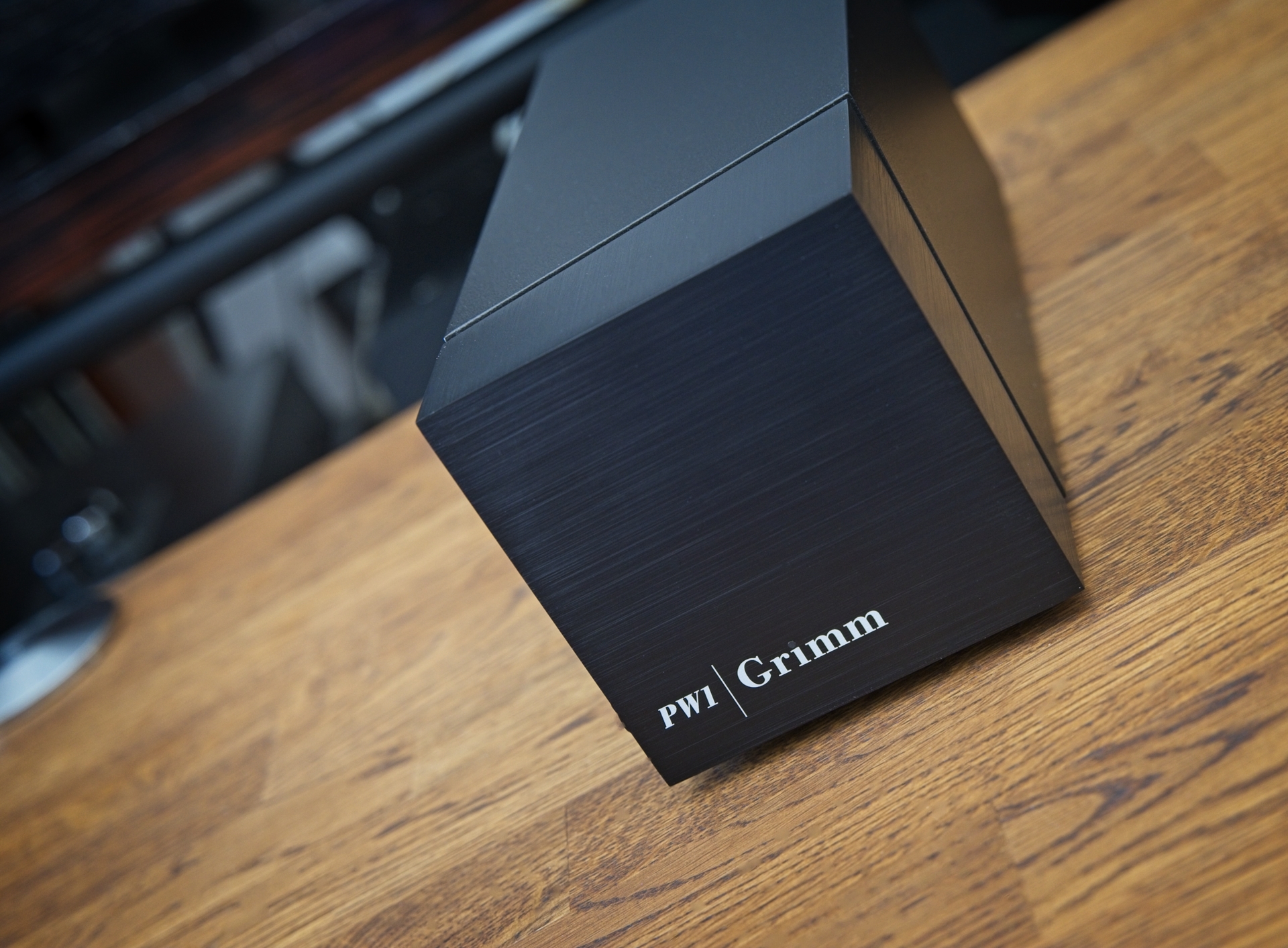 The very first sounds of a trumpet on Tatsuya Takahashi’s Secret Love album, after a full break-in, proved that it was worth the wait. A trumpet, depending on how one plays it, can sound almost sweet or ‘matte’, but also, when needed, it pierces an ear. And so it did this time, with a clarity, openness, and refinement of a very good tube component. The saxophone, on the other hand, sounded deep, saturated, and yet it was also an open, easy-flowing sound. The double bass on this album is a bit shy, so to speak, and yet, even the gentle pizzicato proved the ability of the Dutch phono stage to convey the speed and tightness of such a performance.
What was beautiful about this presentation was that the timbre of each instrument seemed very authentic and natural. I could hear a lot of details and subtleties of the performance, as PW1 turned out to be pretty resolving, but they were more of building blocks of a very coherent, smooth whole rather than elements intended to attract attention. Listening to this album, I also liked the sound of the piano, which here is not as powerful and deep as this instrument can be, but rather clear, fast, and resonant, which the tested component also conveyed in a very natural and convincing way. It was fun to ‘watch’ the performance of Takahashi’s band, as the flow of music, with all its turns and twists, was beautifully displayed.
The next album I cued in was Music Of The Heavens, or Johann Sebastian Bach’s works as seen through a jazz lens(es). It’s one of the releases from Adam Czerwiński’s label AC Records, and another excellent one at that, both musically and in terms of sound and release quality, as I gather from previous sessions with it. PW1 couldn’t wait to prove me right. The beautiful, sweet-sounding violin, gentle, yet distinct drums, breathing, living Hammonds, or the very unique-sounding Moog, all these elements came together smoothly as an intriguing, modern take on Bach and his music.  The Dutch phono stage faultlessly contrasted the deep sound of a guitar with an amazingly (not so surprisingly, though) vibrant vibraphone, weaving their sound smoothly into the whole story. It offered both great coherence of the performance, but also a good separation of individual sound sources, which gave me a choice of simply enjoying the music or studying the performance of each individual musician. And despite the sort of cognitive dissonance that I initially felt, also this time (knowing this album well already), between everything I knew about Bach’s music and the take on it proposed on this album, it ultimately worked out perfectly, as it is a truly beautiful, thoughtful approach to the works of the master.
There is an album (actually, there are many) that I don’t often use in my tests, as I love to listen to it (them) just for the experience, the pleasure of it, just for myself. The one I decided to play for this assessment, though, was Keith Jarrett’s Köln Concert. Most of you probably know the story of this live recording and of how it nearly didn’t happen at all. Luckily for all of us, it did, and it’s been one of my go-to records whenever I just want to forget about any audiophile aspects of the presentation but instead just relax and let the music grab me and carry me away.
I know my system rather well, and I have certain expectations whenever Jarret plays this music on his piano. It makes it not that easy for ‘alien’ components to satisfy all of them, and yet the Grimm Audio PW1 did a very good job at that. The music had the so important natural flow, and the feeling of participating in a unique event. The sound of the piano was deep, powerful, and truly bewitching. With the venue’s acoustics on display, the coughing audience that let me know of their presence every now and then, and the maestro’s murmuring, I got all I needed, a full, lively, beautiful spectacle, and a testimony to Jarret’s genius!
Switching gears, I moved on to Spyro Gyra’s Fast Forward. It’s a surprisingly good recording and release, which is why I often use it in my tests (I like the music, too). With this album, the Phono Wizard 1 showed me a bit more of its solid-state nature. It delivered a fast, powerful performance, with heavy electric bass notes, strongly kicking kick-drum, and an excellent PRAT. I truly enjoyed the drive and energy of this presentation, or rather, the ‘right’ amount of both. One thing you can be sure of when using this preamplifier is that it won’t exaggerate anything; it will show you whatever the records you decide to play have to offer, and nothing more.  Hence, there was a ‘healthy’ amount of energy, a strong but not hardened attack when needed, equally energetic and powerful, yet not bright, nor harsh cymbals. In other words, the PW1 presentation never gets showy, unless you play some track that was intended this way. No such tracks on either Spyro Gyra’s or Stanley Clarke’s (Modern Man) albums, though. Grimm Audio gave the music a strong bass foundation, caused my feet to tap the rhythm, and yet, it was the treble with strong, shining (once more – never bright or harsh) cymbals, and saturated, deep, naturally warm midrange featuring the saxophone, trumpet, electric guitar, piano and vocals (on the latter record) that made the listening truly exciting. It was a well-balanced presentation, with nicely extended both range extremes, which, while quite ear-catching when needed, never dominated or overshadowed the midrange.
Listening to Saturday Night In San Francisco, I appreciated both the resolution and refinement of the presentation delivered by PW1. It offered me a deep insight into the performance of each of the three master guitarists, differentiated their styles, techniques, and sound of their instruments (almost) perfectly, and yet allowed the music to remain at the center of it all. Also, the fun that the performance seemingly was for Paco, Al, and John, and the chemistry they had, but also the constant interaction between them and the audience, all of it was on display with the Dutch phono. The atmosphere was hot and immersive, and I enjoyed myself so much that I had to reach for the Friday Night… as well. The excellent Impex release does this recording true justice and brings it alive as no other one (that I know) has before. With PW1, it was the energy of the sound, its clarity, and ability to resolve even the tiniest details that made it stand out among most of its similarly priced peers.
I love live albums simply because I love going to concerts to listen to live music. No recording can offer quite the same experience, but no one, surely not me, can attend concerts daily, so listening to a good recording has to suffice. Some systems and components elevate the experience closer to that of an actual participation in a live event, and the Grimm Audio phono stage, after listening to the guitar trio’s albums, seemed to me to belong to this category as well. To make sure, I kept pulling out my other favorite live albums from the shelves. One of them was that of Muddy Waters with friends, recorded in Chicago at the Checkerboard Lounge in 1981. Did I mention I love the blues? PW1 quickly reminded me why.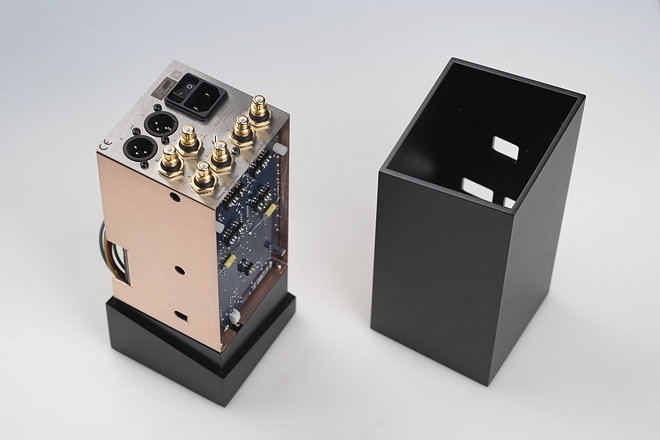 Phono Wizard combined certain features attributed more to tube designs with the strengths of solid-state counterparts. As a result, the vocals of Muddy and Mick Jagger (and others) were beautifully natural, rich, and palpable, which clearly reminded me of some of the great tube phono preamplifiers. So were the rich, beautifully singing electric guitars in the hands of blues and rock’n’roll masters. On the other hand, the pace and rhythm were excellently delivered, hence I couldn’t stop my limbs from tapping, not even for a moment.
Also, the dynamics and energy of the presentation were other features that are usually associated with solid-state devices. All in all, it seemed to me that a tube specialist had managed to design an excellent solid-state phono stage, but importantly, the technology was not what I thought about when listening to the music with it. It was the latter that I completely focused on, and the PW1 was ‘simply’ trying to ‘stay out of it’, so to speak, and that was yet another really good thing about it.
Lastly, let me also mention one more thing about the tested device. As with any phono stage I deal with, also in this case I also played a lot with the settings. Even though my main cartridge, Air Tight PC-3, offers quite a high output of 0.55 mV, I actually preferred the +30dB gain setting over the +20 dB. Normally, it is preferable to use as little gain at the phono stage as possible and add more in the preamplifier or integrated amp. More gain in the phono stage usually means noticeably more noise, but it was not the case with Phono Wizard 1. 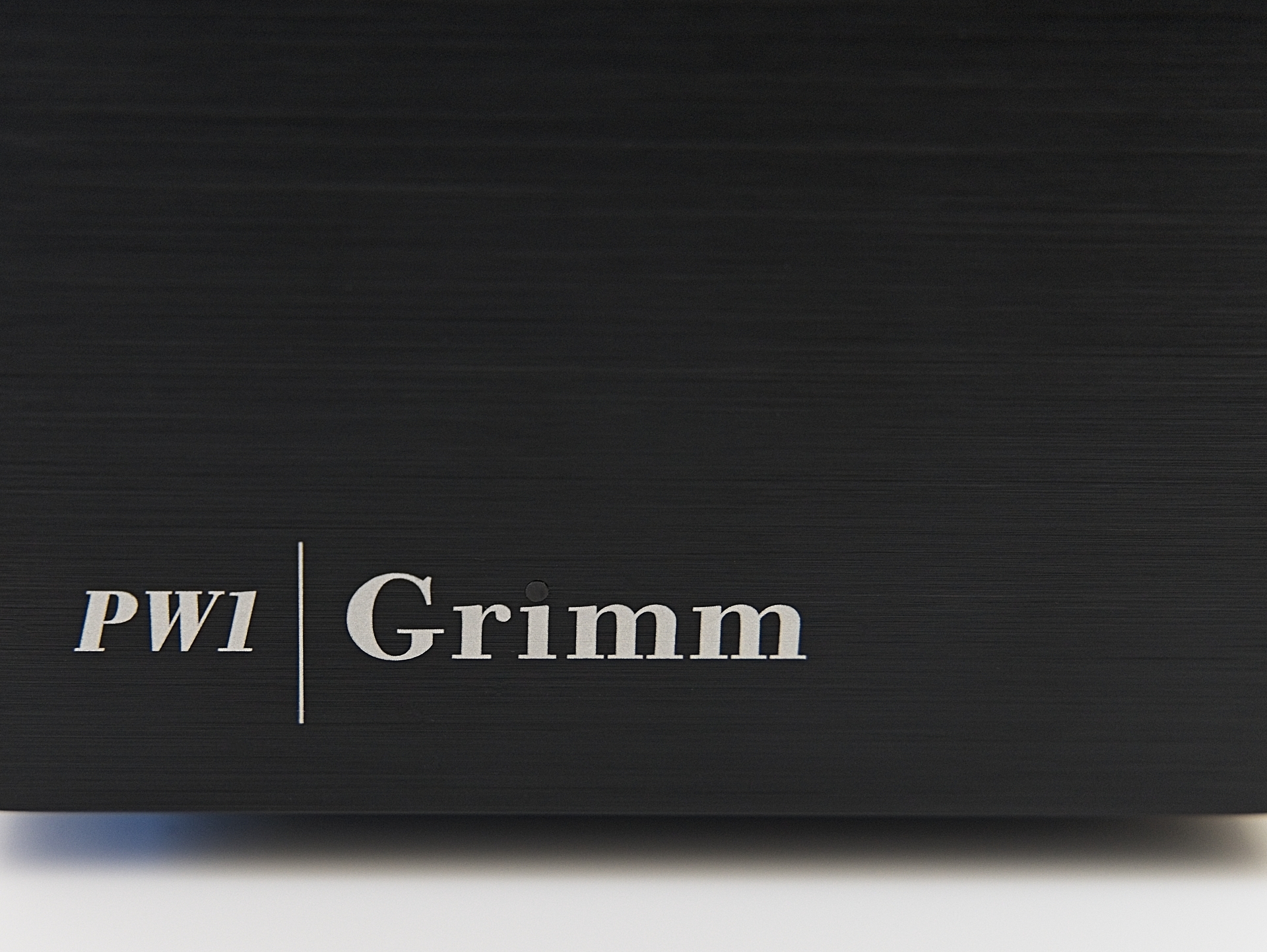 So kudos to the designer, Mr. Peter van Willenswaard, who did an excellent job with this device, and regardless of the gain setting, the noise level was very low. With the higher gain setting, there was more dynamic headroom, and the sound seemed richer and fuller, but also more effortless, more open. To be clear, there is no single setting that will work best in all cases, so don’t be afraid to experiment and choose whatever works best for you in your rig. The goal is to find those that fully satisfy your needs and expectations, and Phono Wizard 1 should allow you to achieve just that.
Summary
What you need to know about the Grimm Audio PW1 is that it is a well-balanced and honest device. It doesn’t sound like a tube nor like a solid-state phono stage, even though it shares several features with both types. It is just a really good preamplifier that focuses on the music and is really good at conveying genuine emotions. Sonic-wise, it is closer to my GrandiNote Celio than to ESE Lab Nibiru, which is rich, deep voicing and more focused on coherence and flow of music than details, clarity, and transparency (none of which is lacking, they are just not at the center of the presentation).
The music genre doesn’t really matter with it. You can jazz, blues, rock, vocals, or classical music, and as long as the recording and pressing quality is good, PW1 will do it justice and deliver an immersive experience. Given a chance, it will bewitch you with a beautiful, natural, and realistic rendering of it. Play some crappy vinyl, and it will let you know without hesitation. If you, like me, thought of Grimm Audio as a digital specialist, it is time to change your mind. PW1 is proof that whatever they do, the good sound and music are at the center of it, no matter the technology.
Price (when reviewed):
- Grimm Audio PW1: 5.082,00 EUR (incl. VAT)
Manufacturer: GRIMM AUDIO
Distributor in Poland: Audiofast
Associated equipment:
- Digital source: a custom passive server with WIN10, Roon, Fidelizer Pro 7.10, JCAT NET XE, and JCAT USB XE cards with FERRUM HYPSOS Signature power supply, KECES P8 (mono) linear power supply for the server, JCAT USB Isolator
- D/A Converter: LampizatOr Poseidon +Ideon Audio 3R Master Time (USB signal regenerator)
- Analog front end: J.Sikora Standard MAX turntable, J.Sikora KV12 & J.Sikora KV12 MAX tonearms, AirTight PC-3, Audio Technica PTG33 Prestige & LE SON LS10 MKII cartridges, Grandinote Celio MK IV & ESE Lab Nibiru V 5 phono stages.
- Power amplifiers: GrandiNote Shinai, Circle Labs M200, Art Audio Symphony II (modified)
- Preamplifier: Circle Labs P300
- Loudspeakers: GrandiNote MACH4, Ubiq Audio Model ONE Duelund Edition.
- Interconnects: Bastanis Imperial RCA x2, Soyaton Benchmark RCA, Hijiri Million Kiwami RCA, Hijiri HCI-20 RCA, TelluriumQ Ultra Black RCA, KBL Sound Himalaya 2 XLR, NxLT Ether XLR, David Laboga Custom Audio AKOYA USB, David Laboga Custom Audio Digital Sound Wave Sapphire Ethernet
- Speaker cables: Soyaton Benchmark Mk2, WK Audio TheRAY Exclusive
- Power cables: DL Custom Audio 3D-S-AC Connect, LessLoss DFPC Signature, Gigawatt LC-3
- Power: Gigawatt PF-2 MK2 and Gigawatt PC-3 SE Evo+; a custom power line with Gigawatt LC-Y in-wall cable; Gigawatt G-044 Schuko and Furutech FT-SWS-D (R)
- Network: Silent Angel Bonn N8 + Silent Angel Forester F1 + optical LAN isolator
- Racks: Base VI, Rogoz Audio 3RP3/BBS
- Anti-vibration accessories: ROGOZ-AUDIO SMO40 and CPPB16 platforms and ROGOZ AUDIO BW40MKII feet, OMEX Symphony 3S, Franc Accessories Ceramic Disc Slim Feet and Wood Block Platform, Graphite Audio CIS-35 and IC-35 Premium