
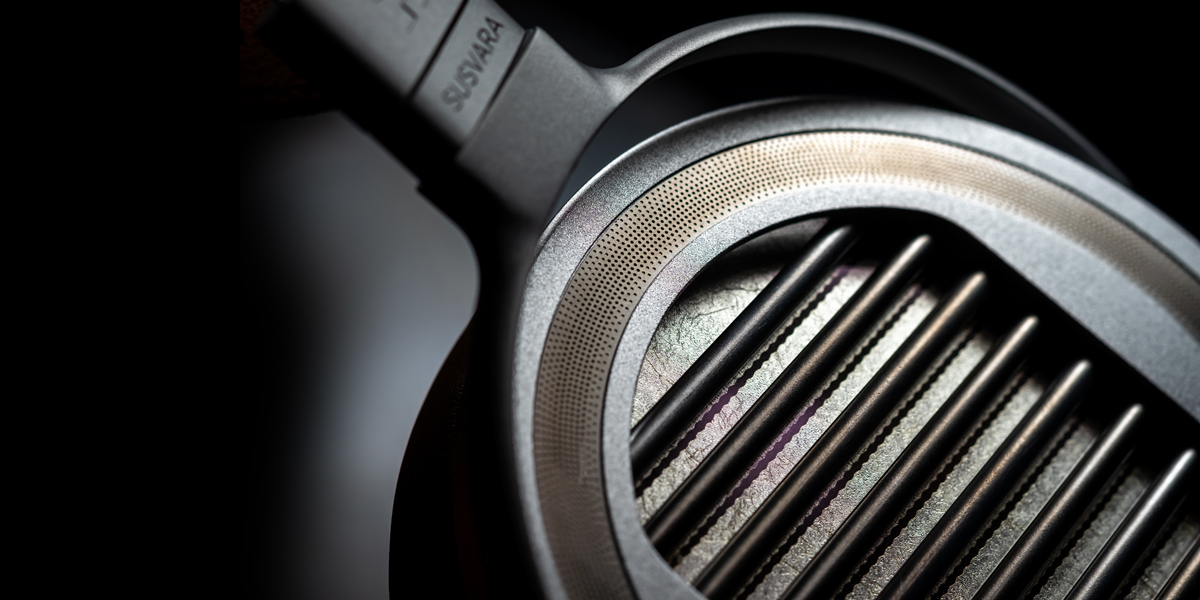
Nearly seven years after the original Susvara arrived, HiFiMAN returns with the Susvara Unveiled, refining its legendary planar magnetic design with higher sensitivity, improved ergonomics, and more precise engineering. That’s today’s subject—enjoy!
Planarly Speaking
I’ve been living with the original HiFiMAN Susvara since late 2017, which in this hobby is roughly the equivalent of several geological eras. Headphones come and go, flagships rise and fall, trends shift like sand dunes, yet my own pair remained firmly in place without even a fleeting urge to replace them with anything else. That alone should say something. My daily work revolves around hardware meant for speakers, not headphones, but the Susvara never felt like an interloper in that space. Quite the contrary — it slipped into my routine as if it were designed specifically for people who spend their days knee-deep in drivers, crossovers, and boxes that move air rather than clamp around one’s head.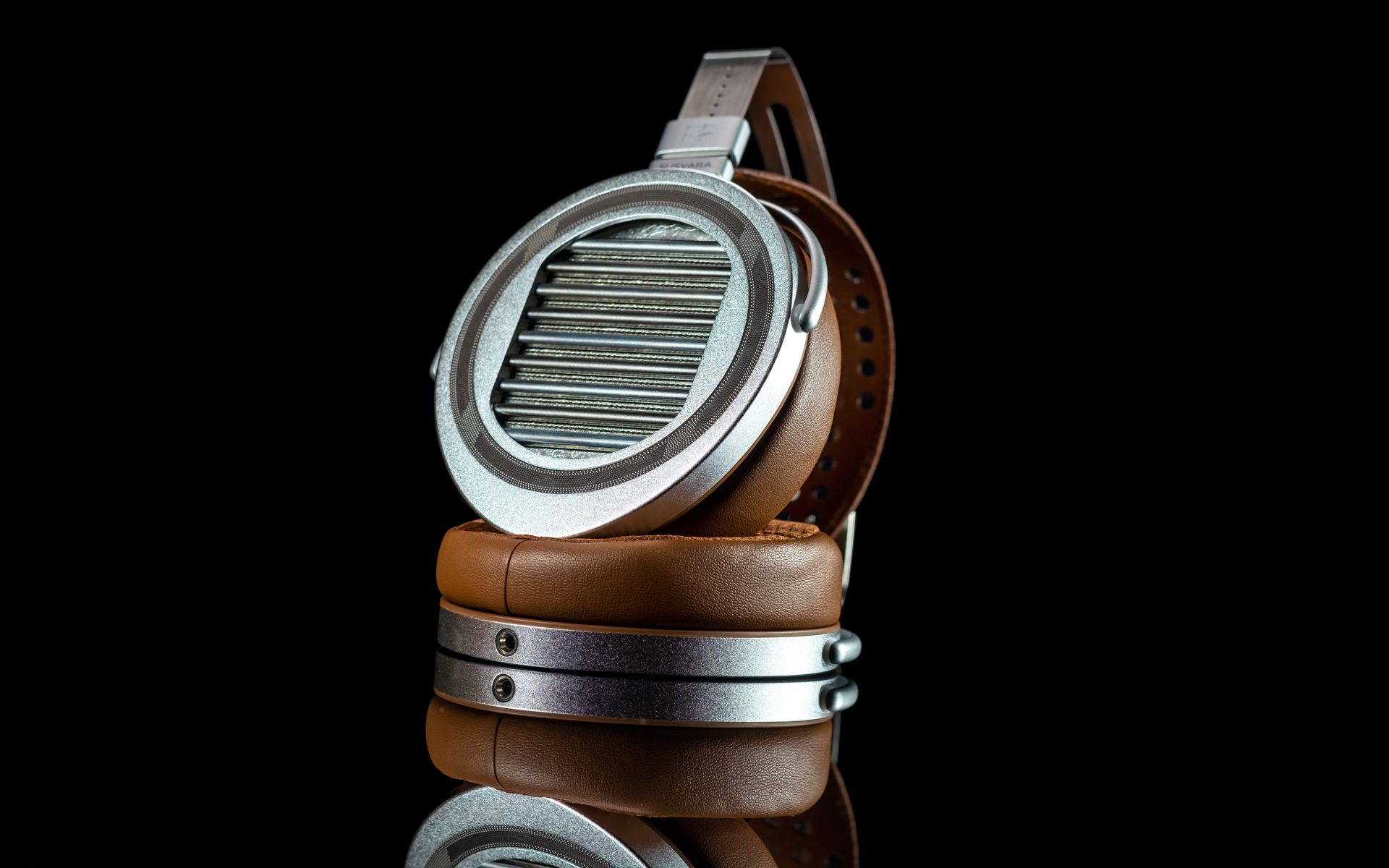 What helped tremendously was the Susvara’s unapologetic appetite for power. Many considered it a drawback; I saw an opportunity. Instead of hunting for exotic headphone amplifiers capable of waking this planar monster from its slumber, I simply plugged it into stereo amps meant for proper loudspeakers. Job done. The synergy was often spectacular, and the ability to evaluate amplifier behavior without committing to full speaker setups was a major boon on its own right. Having such a transparent, revealing, and ruthlessly resolving tool at hand proved invaluable over the years. That it also sounded exceptionally good off the clock didn’t hurt either.
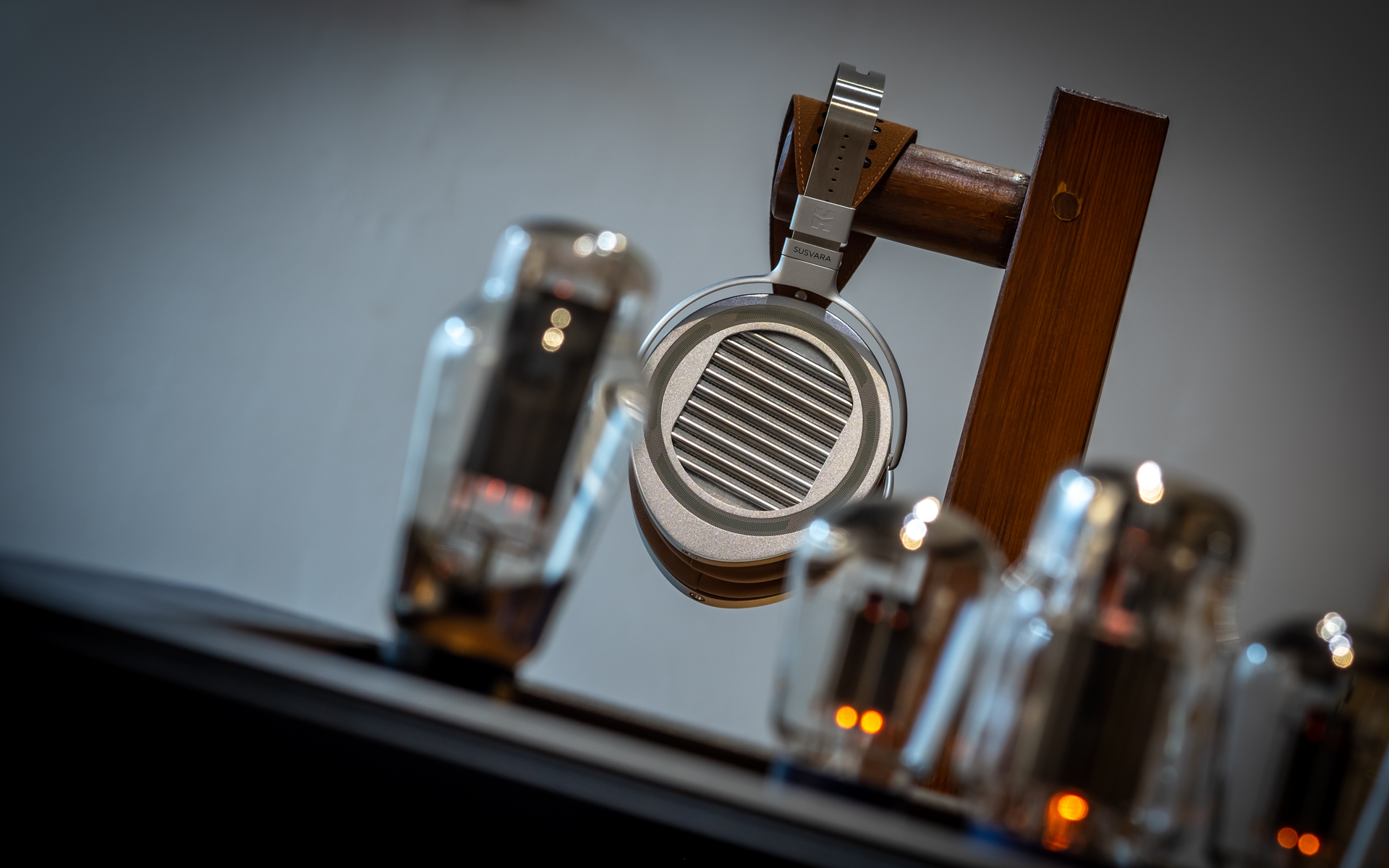 Fast-forward to this year’s Audio Video Show, where between meetings and system check-ups I found myself chatting with HiFiMAN’s own Mark. The man seemed genuinely curious about the odd hardware rabbit holes I tend to disappear into and noticeably more interested than polite small talk would require. One thing led to another, impressions were exchanged, eyebrows were raised, and before I knew it he hinted that something new might be heading my way. A few days after the show, a courier rang with a box containing a loaner sample of the Susvara Unveiled — HiFiMAN’s fresh take on their most iconic headphone. That’s how this review came to be. No hype, no honeymoon, no expectations set by press releases. Just me, a familiar shape with unfamiliar internals, and the question that inevitably follows any product wearing the Susvara name: is this evolution, revolution, or simply a refined reminder of why the original became a benchmark?
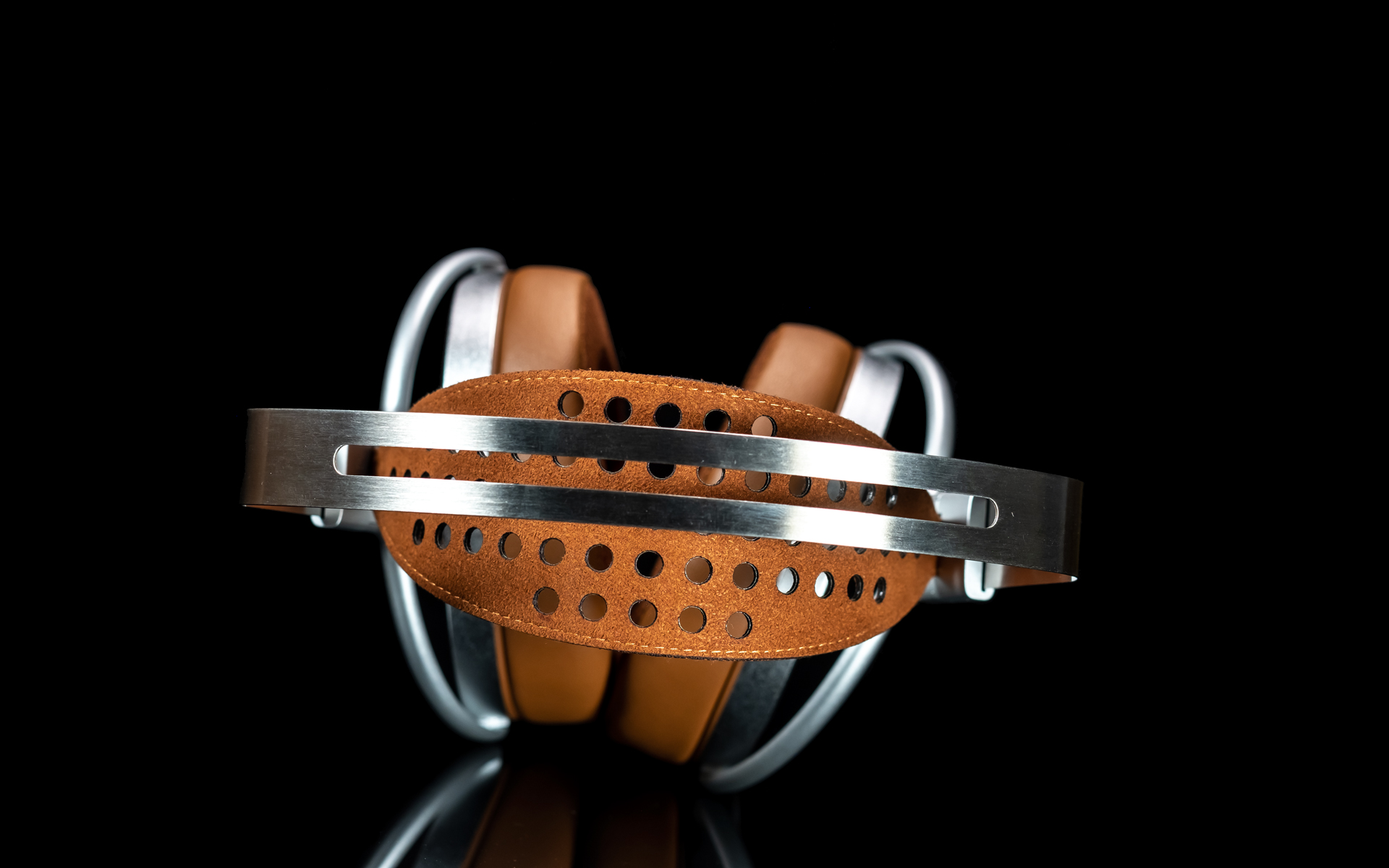 Positioning the Susvara Unveiled within HiFiMAN’s roster is easy once you see it in person. It clearly descends from the original Susvara, yet it stands as the brand’s current statement in the dynamic planar arena — a flagship intended not to replace its predecessor outright, but to modernize the concept and push it closer to the limits of what their ultra-thin diaphragm tech can do today. The manufacturer openly frames it as a celebratory milestone, a culmination of all they’ve learned since the Susvara first disrupted the scene. And considering how many high-end contenders have appeared since 2017, such a gesture makes sense. The Unveiled is HiFiMAN’s way of saying they aren’t done shaping the top of the mountain.
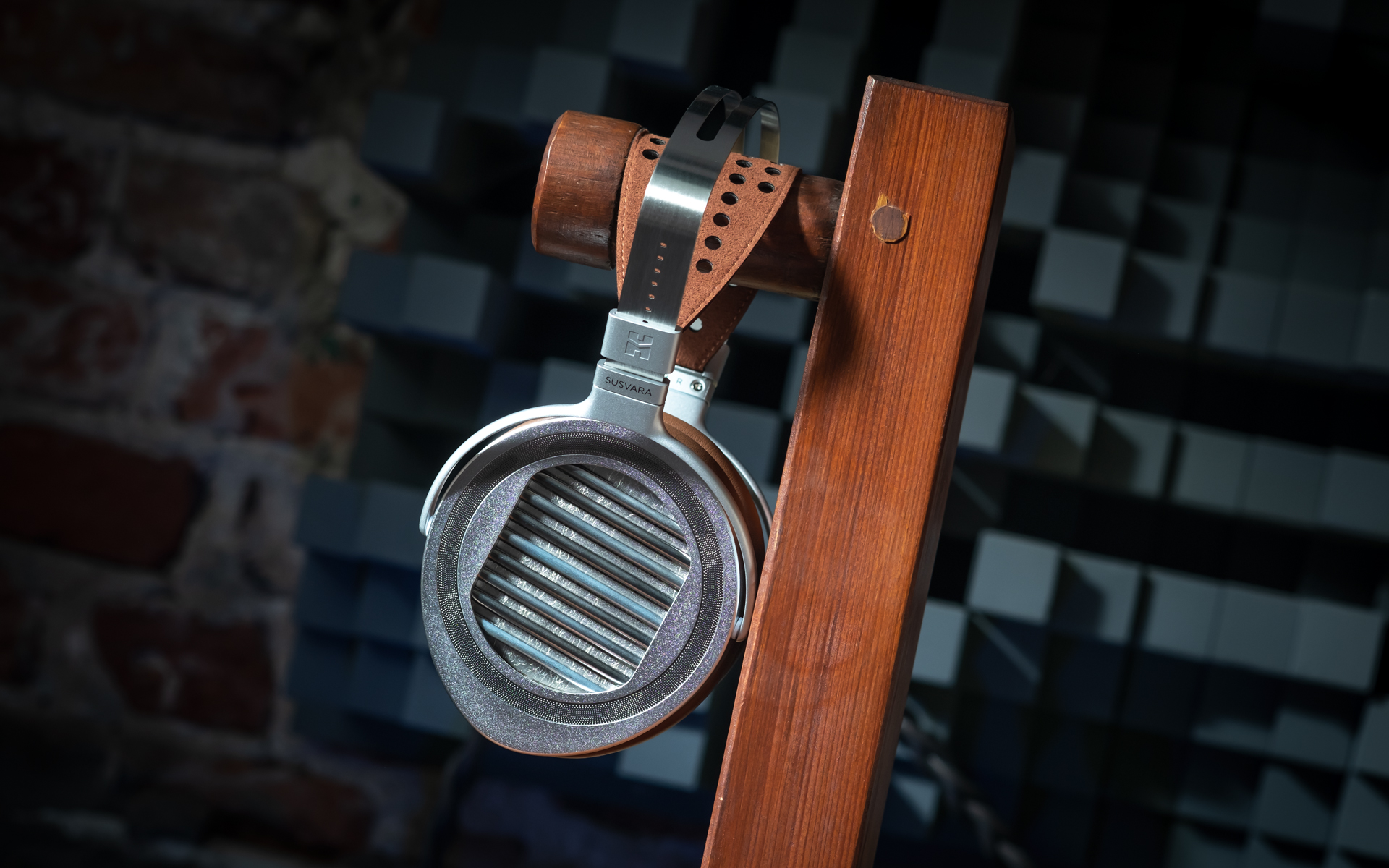 The first key difference appears in the specs. While the original Susvara’s low sensitivity became legendary (and occasionally infamous), the Unveiled version is noticeably easier to drive. “Easier” here is relative — it won’t sing off a phone or laptop — but the company clearly worked on improving efficiency. The published numbers confirm it: higher sensitivity (86dB vs the original’s 83dB) paired with the same nominal impedance means more amplifiers can now enter the party and secure nice results. Planar enthusiasts who swore off the first Susvara due to its demands will likely breathe a little easier. That said, the Unveiled still appreciates proper current on tap, and the rewards scale accordingly.
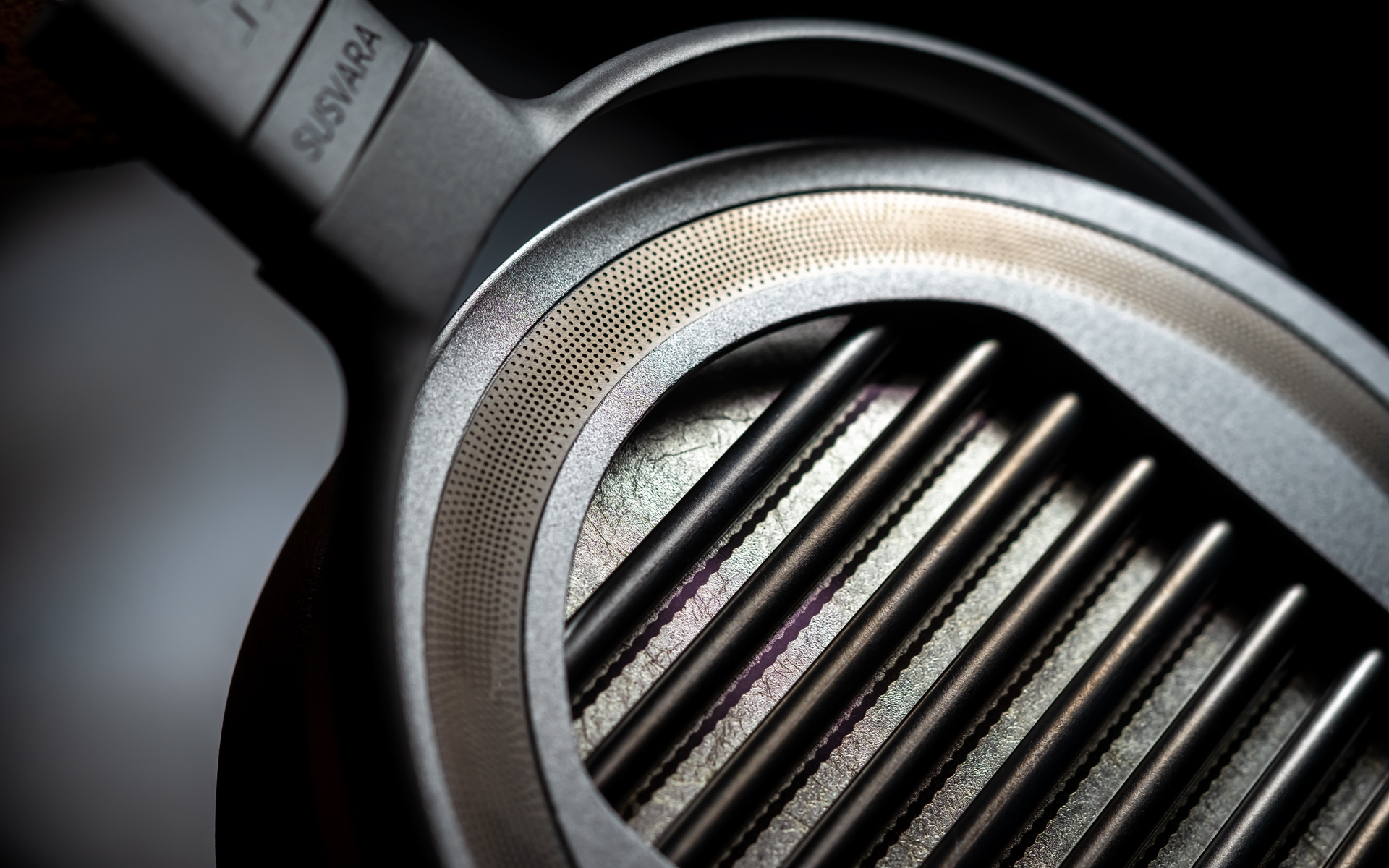
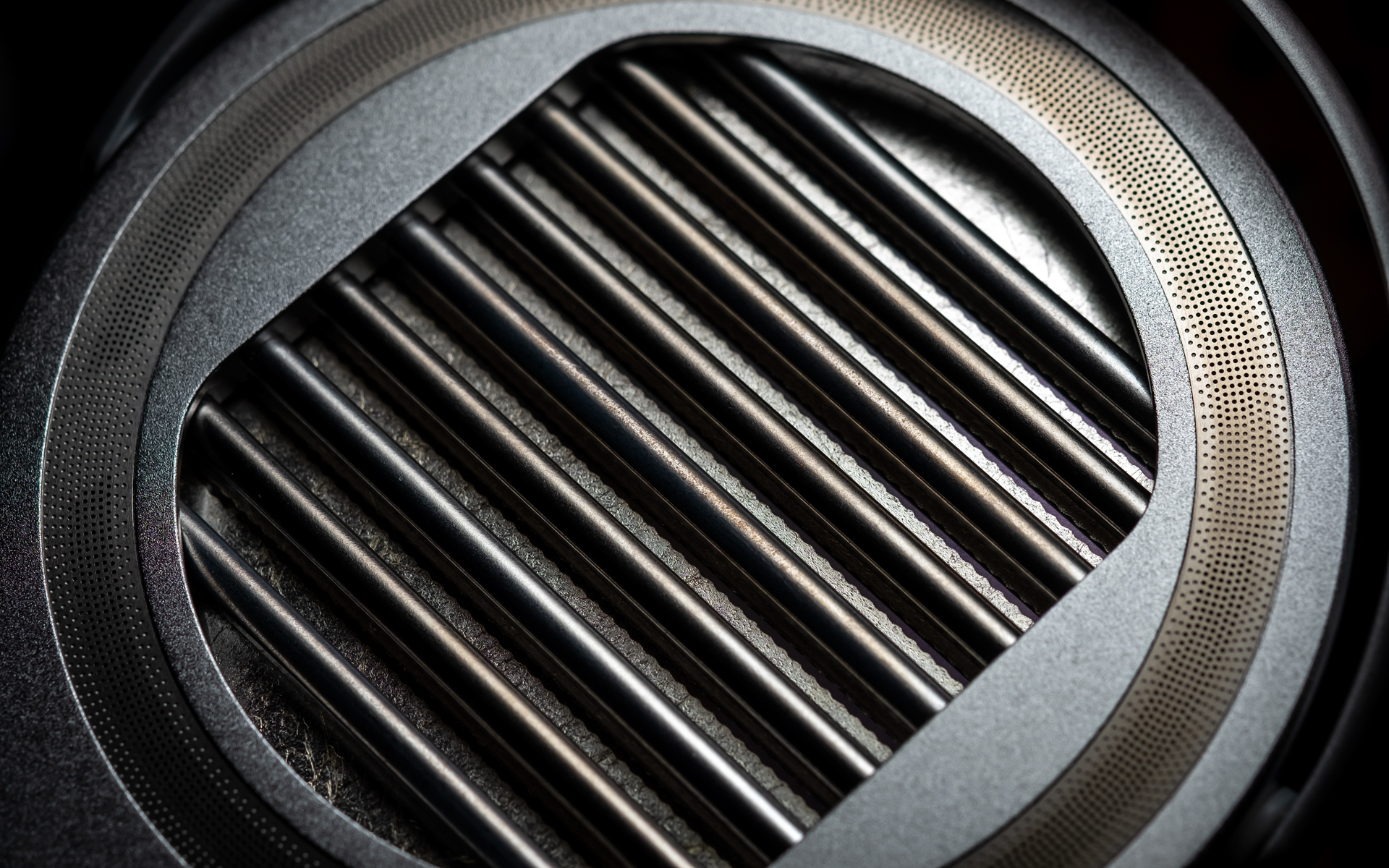
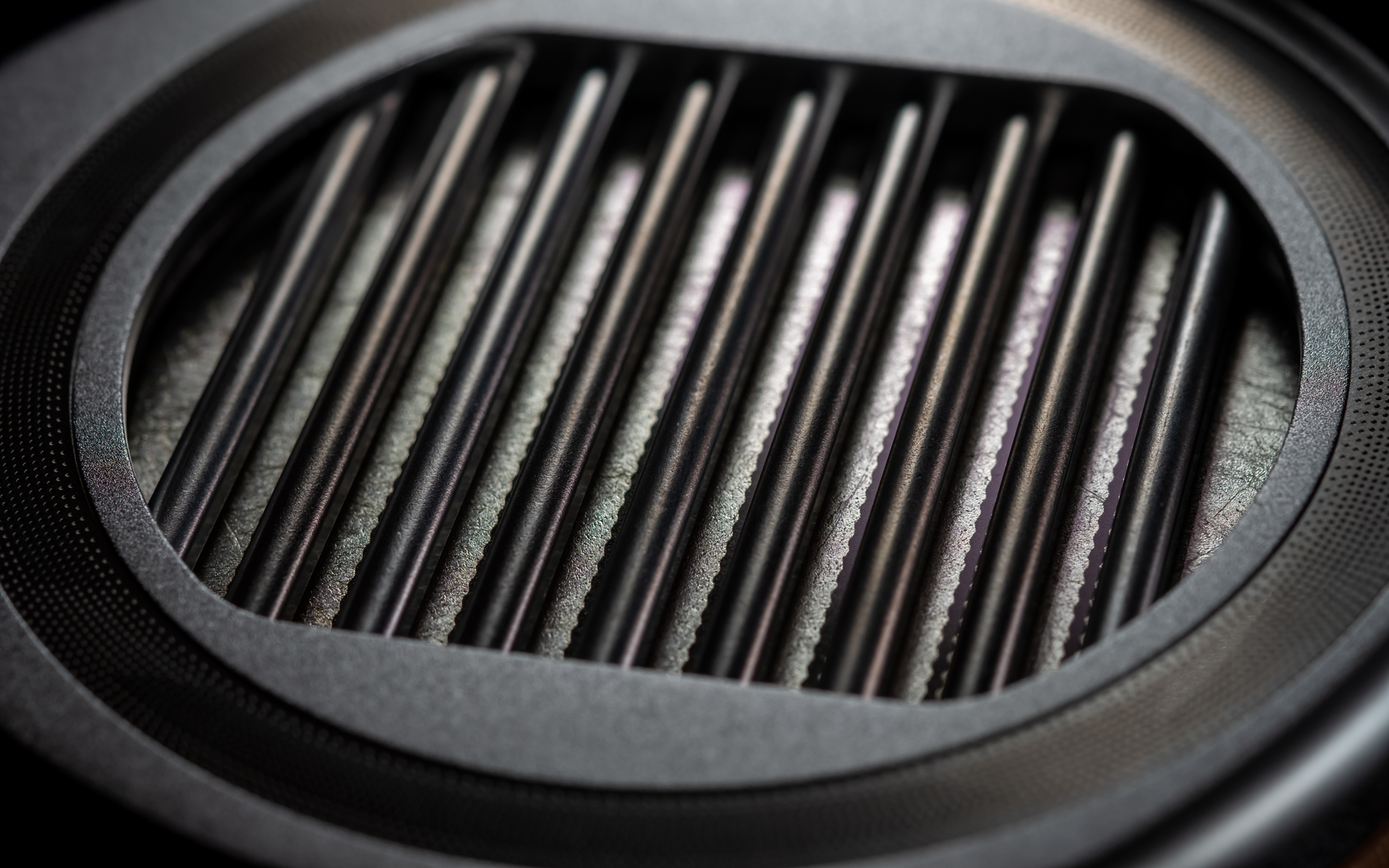
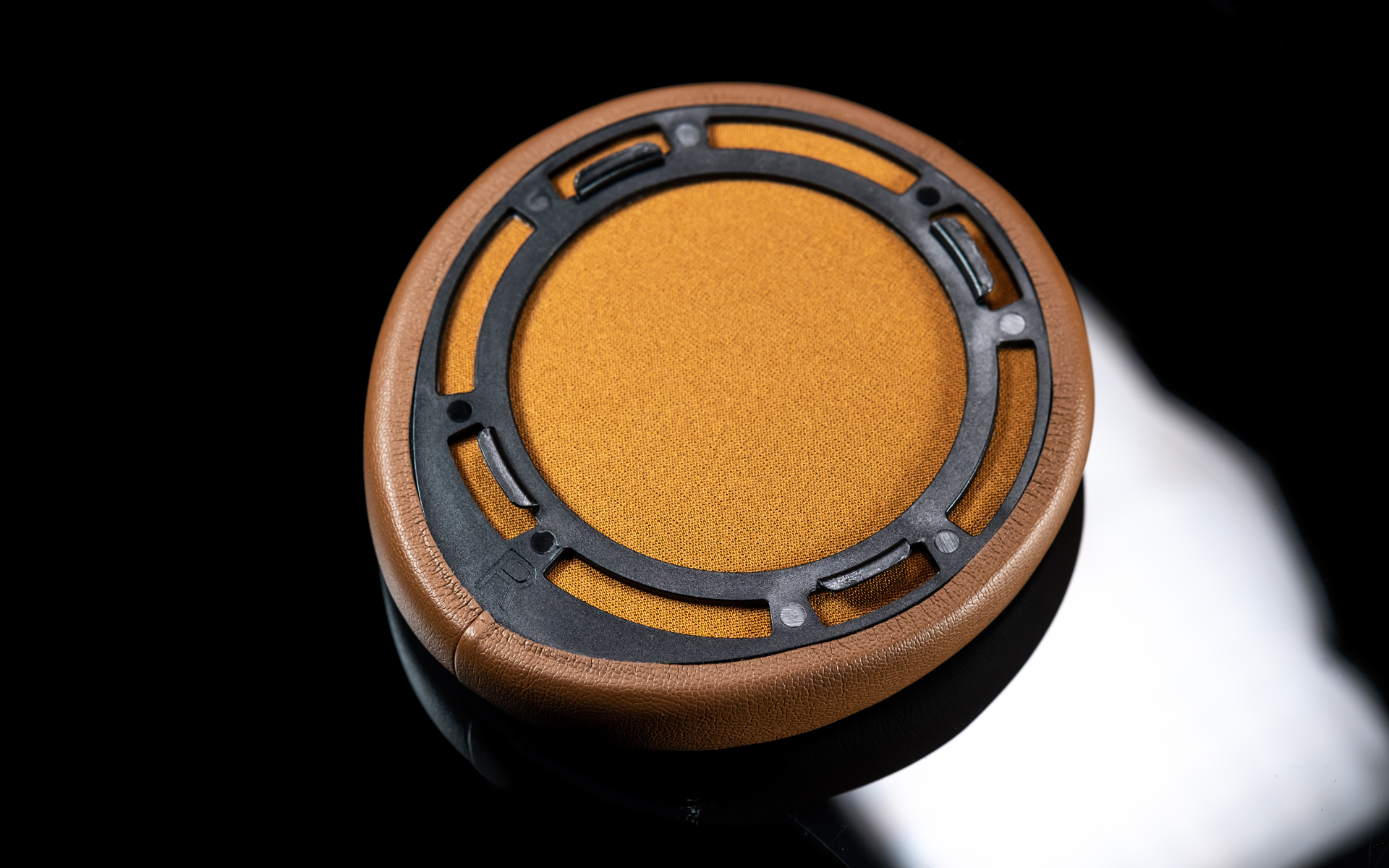 Beyond that, the rest of the technical sheet reads like a refinement rather than a reinvention. We still get an open-back planar magnetic design built around an ultra-thin diaphragm of “nanometer-grade” thickness, now paired with the company’s most transparent magnet array yet. HiFiMAN claims improved airflow, lower distortion, and reduced interference from the motor structure. Their “acoustically invisible” magnet geometry was introduced in earlier models, but here it feels purpose-built for maximum openness — hence the “Unveiled” tag. Frequency response of 6Hz to 75kHz stretches far beyond what any ear can register, 45Ω impedance sits comfortably in the middle of the headphone pack, and the whole assembly shows 430g on the scale, so remains rather lightweight.
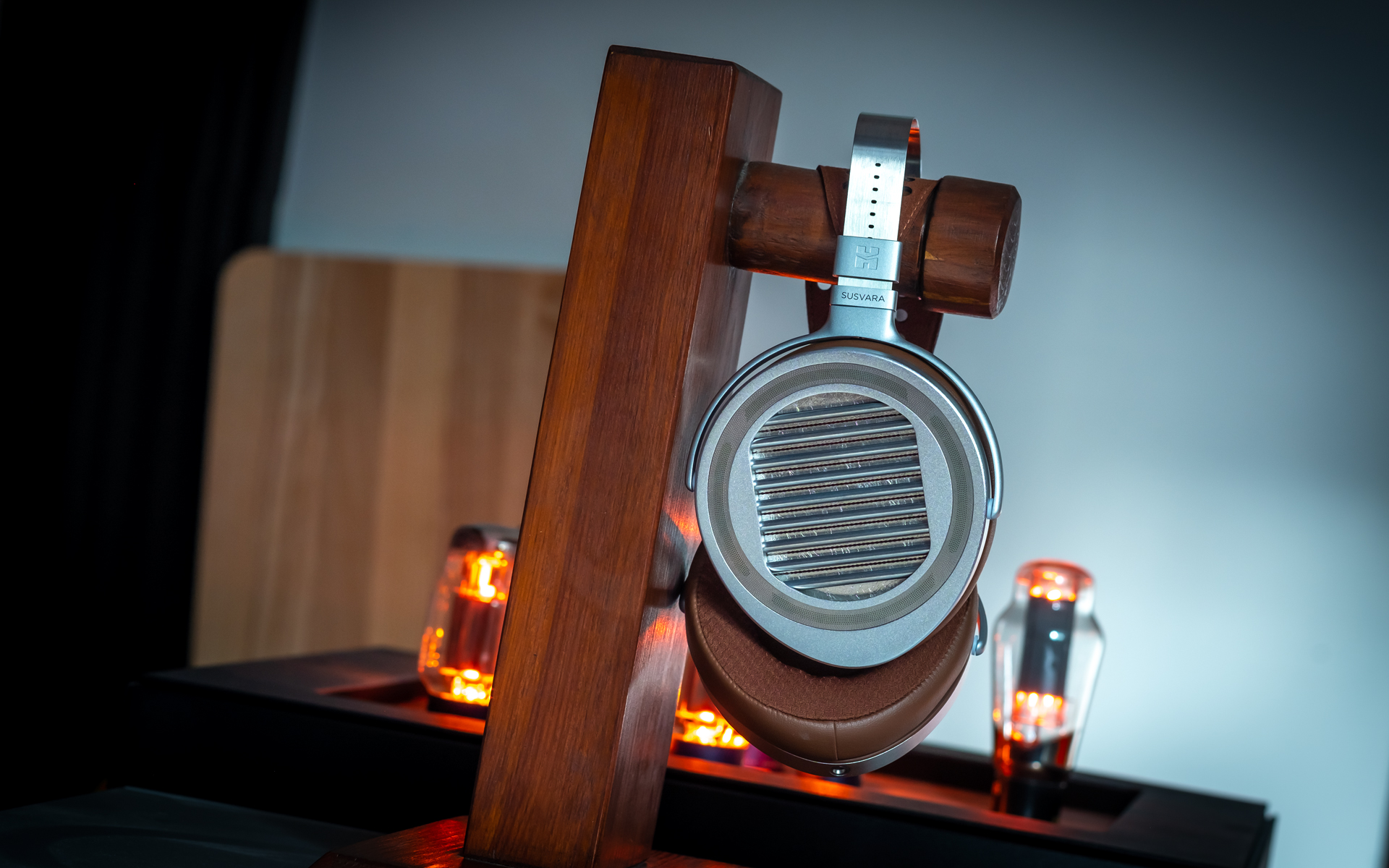
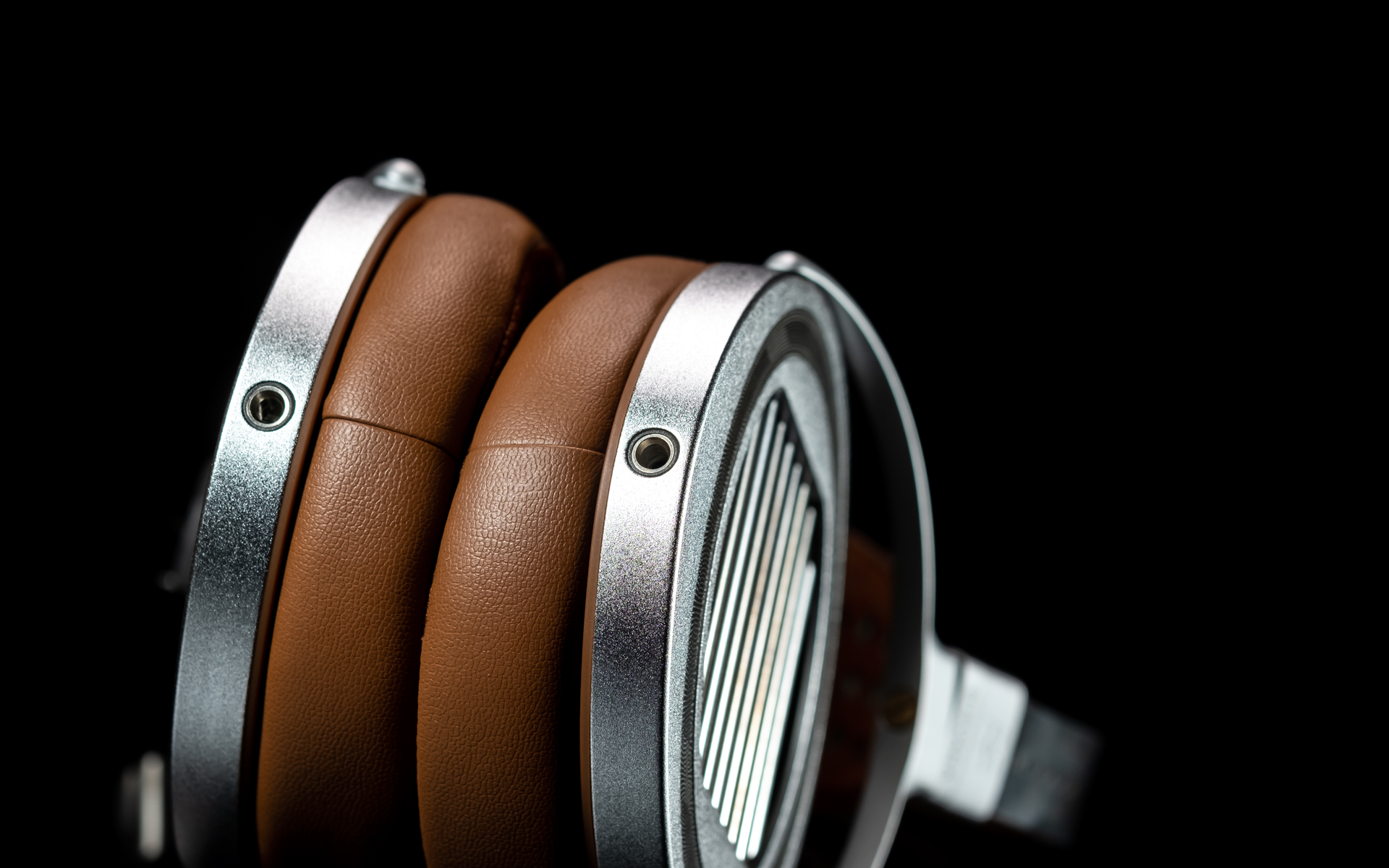
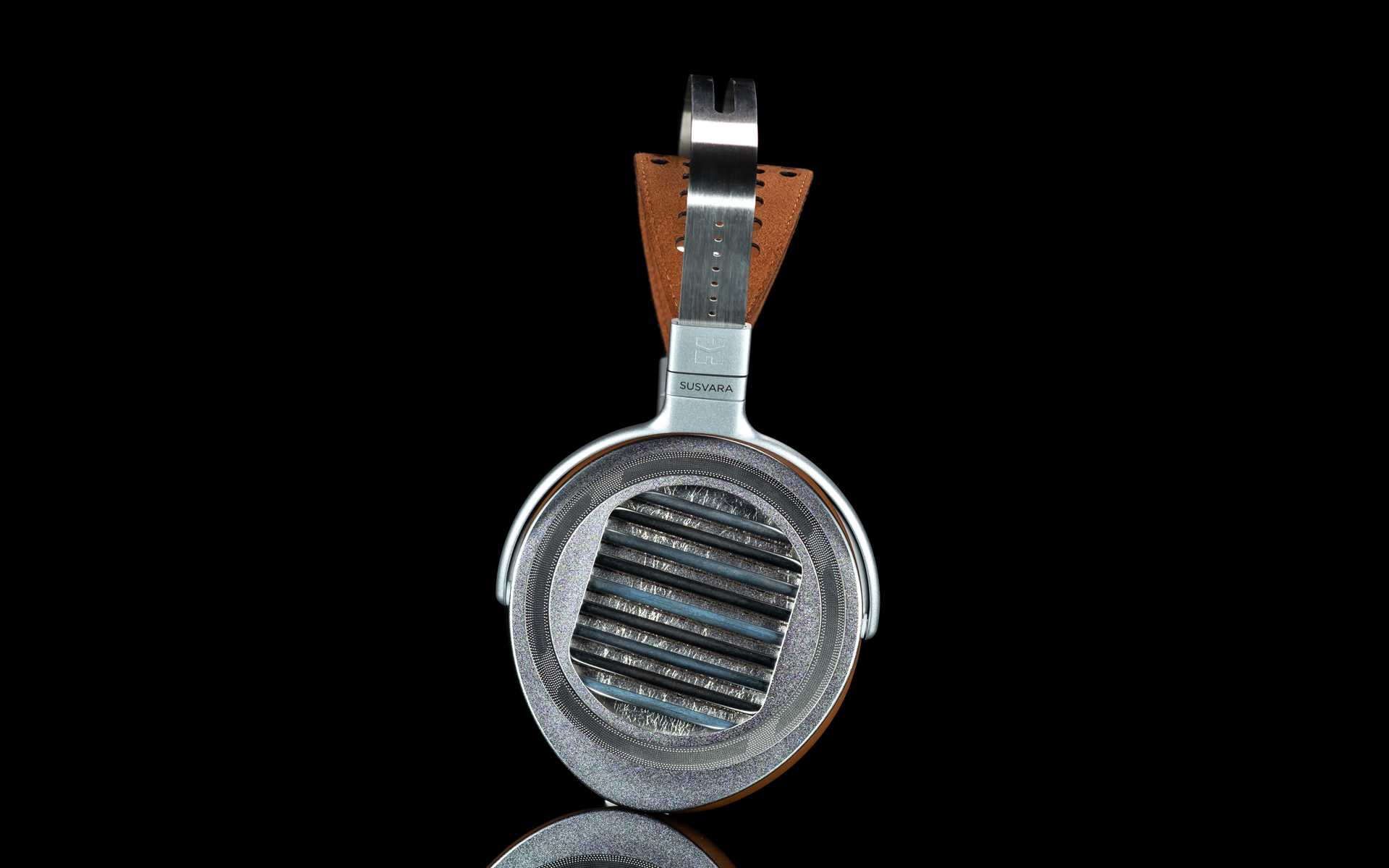
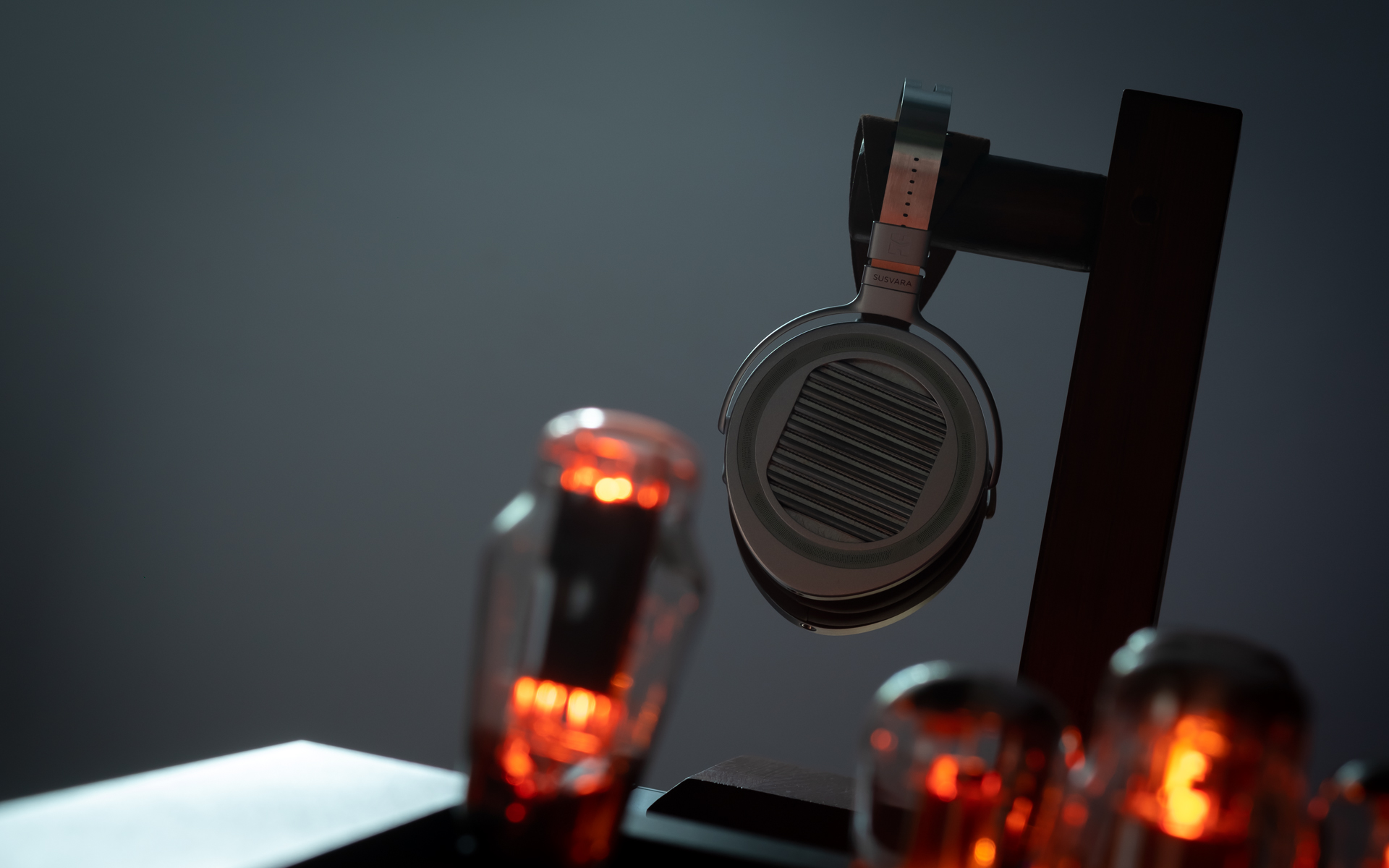 The construction follows the company’s familiar playbook, but with visible upgrades. The headband system resembles the recent iterations: two-stage architecture with a flexible perforated leather strap floating under a sturdier metal arch. It distributes weight well, feels secure without clamping aggressively, and avoids the creaks and roughness that plagued older HiFiMAN generations. The yokes rotate smoothly, and their mechanical finish is far more consistent than what long-time users may fear. Someone at the factory clearly sharpened their tolerances.
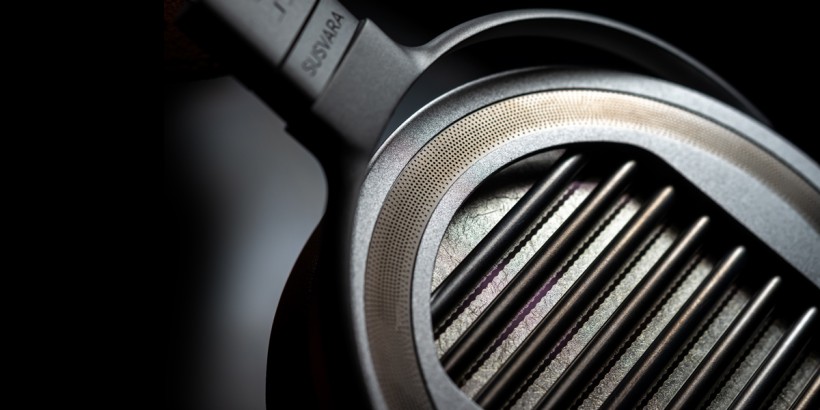
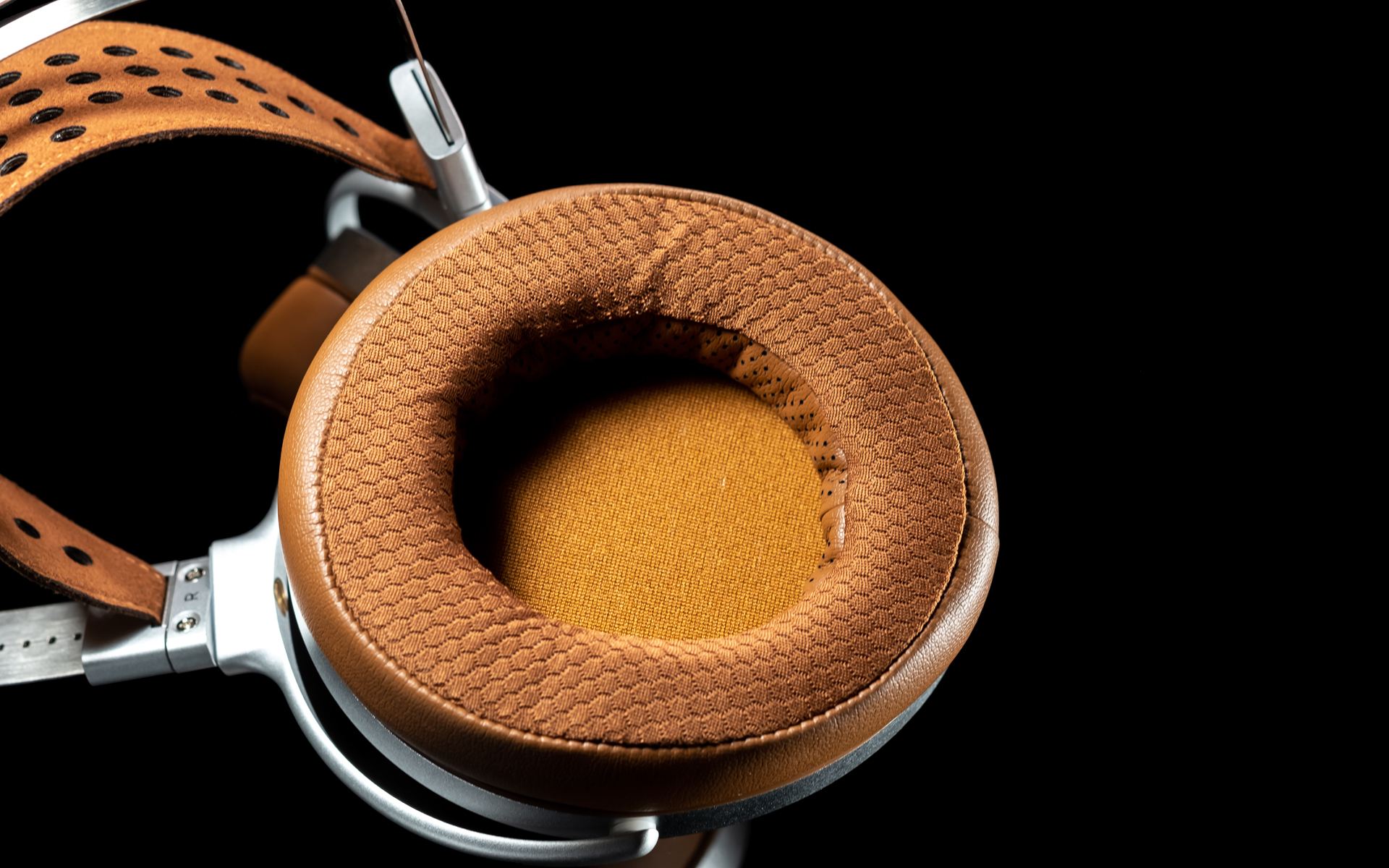
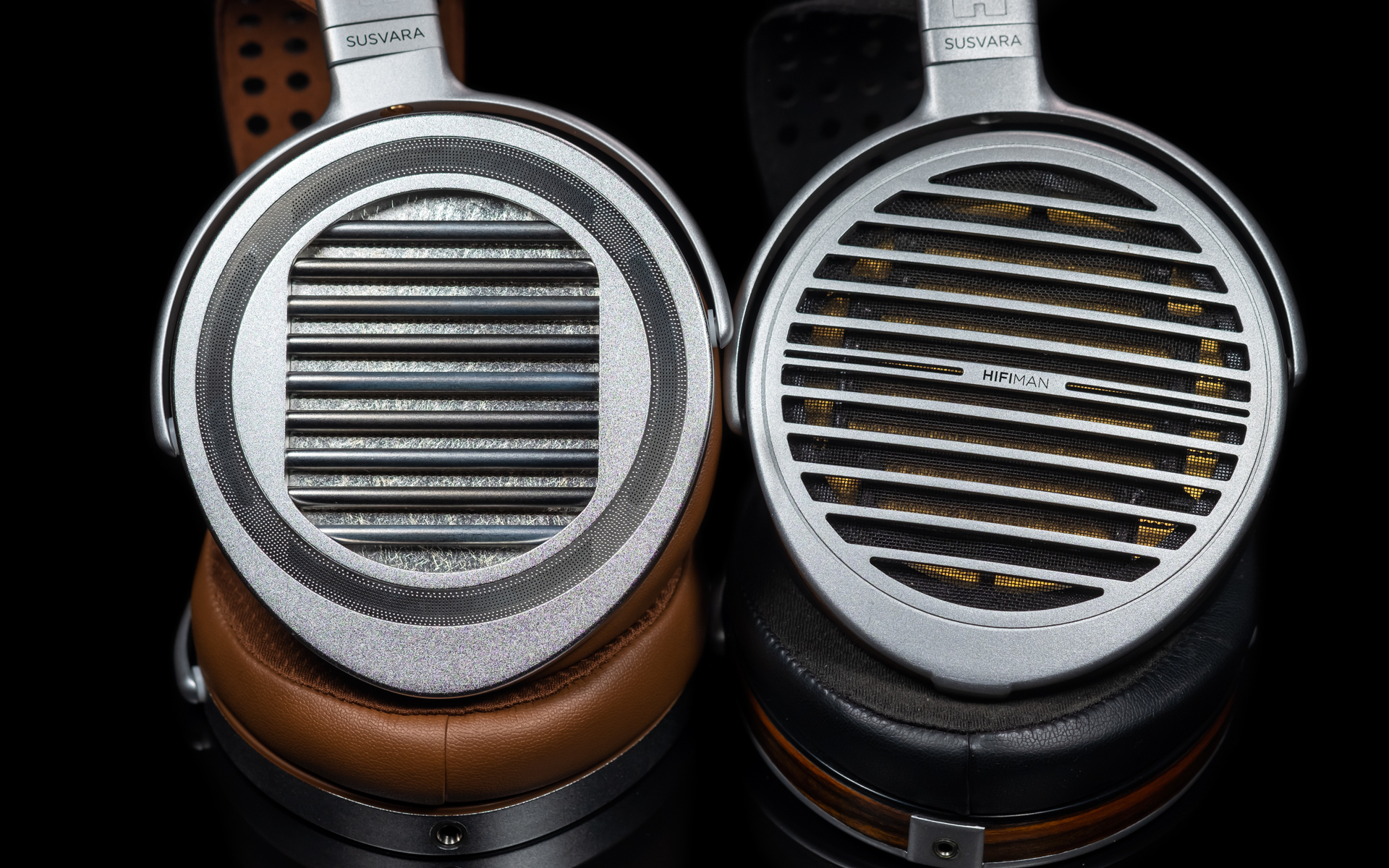
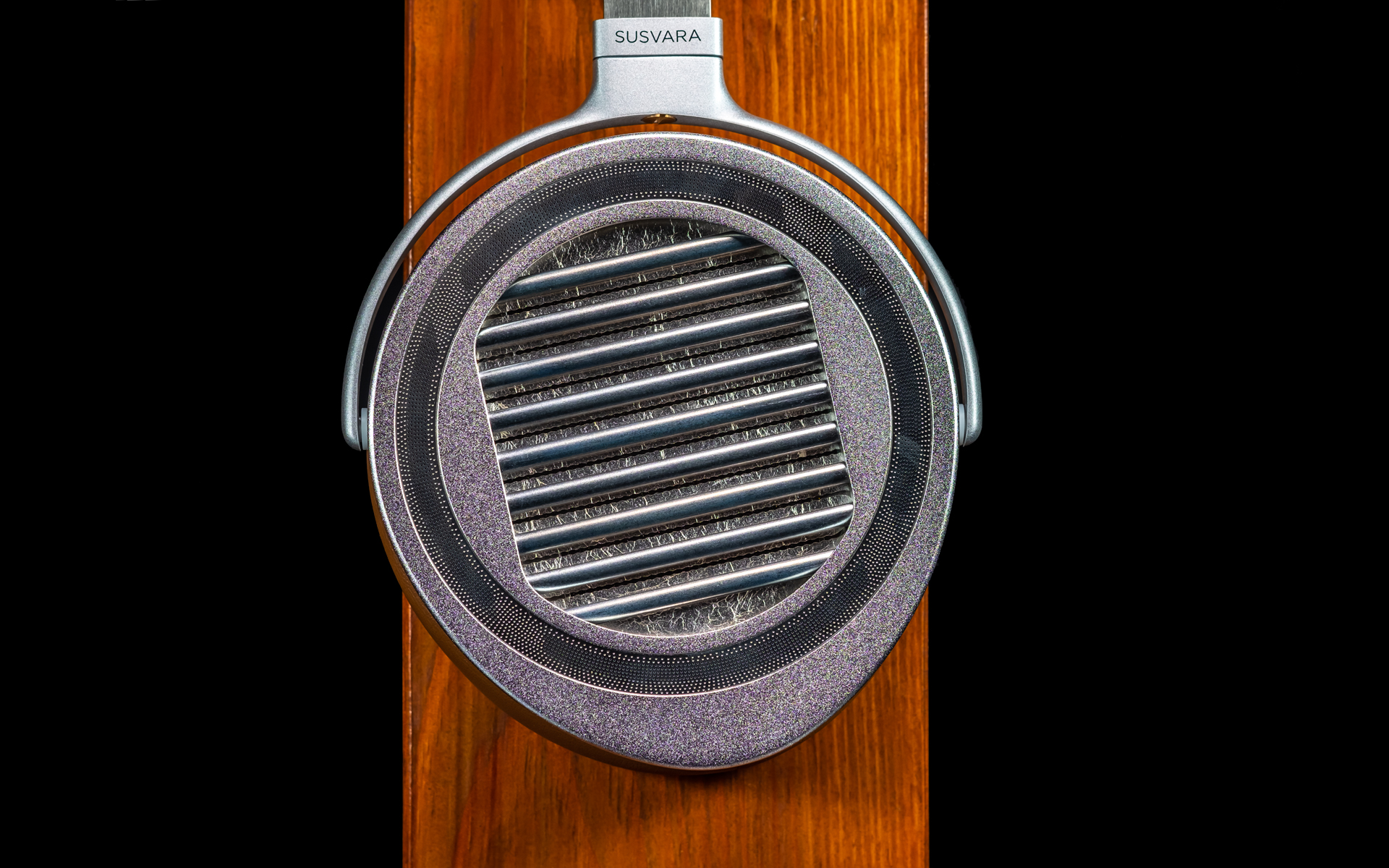 The earcups blend metal and wood in a way that feels mature rather than ornamental. To reduce internal reflections and refractions, the company’s signature “Window Shade” grille is gone on the Unveiled. The wooden rings look denser, smoother, and more uniformly finished than those on my Susvara daily driver. Inside, the pads attach securely and use a hybrid construction: soft perforated fabric on the face, leather or leatherette around the outer wall, and foam that strikes a pleasing balance between stability and comfort. The cavity is generous without being oversized—clearly tuned to create a controlled acoustic environment without engulfing your ears the way the old Sennheiser HD 800 once did. Cable entry still relies on dual 3.5 mm sockets, a proven and DIY-friendly standard that keeps the interface simple and free from unnecessary complexities. The stock leash is pliable and unobtrusive, fully capable of daily duty, though as is customary with HiFiMAN, those with a taste for boutique metallurgy or exotic terminations will find no shortage of aftermarket temptations. Build-wise, the Unveiled still doesn’t challenge luxury artisans such as Meze or Focal, yet it communicates a level of consistency and structural maturity that earlier generations lacked. In hand, it reads as a purpose-built instrument rather than a fragile display piece.
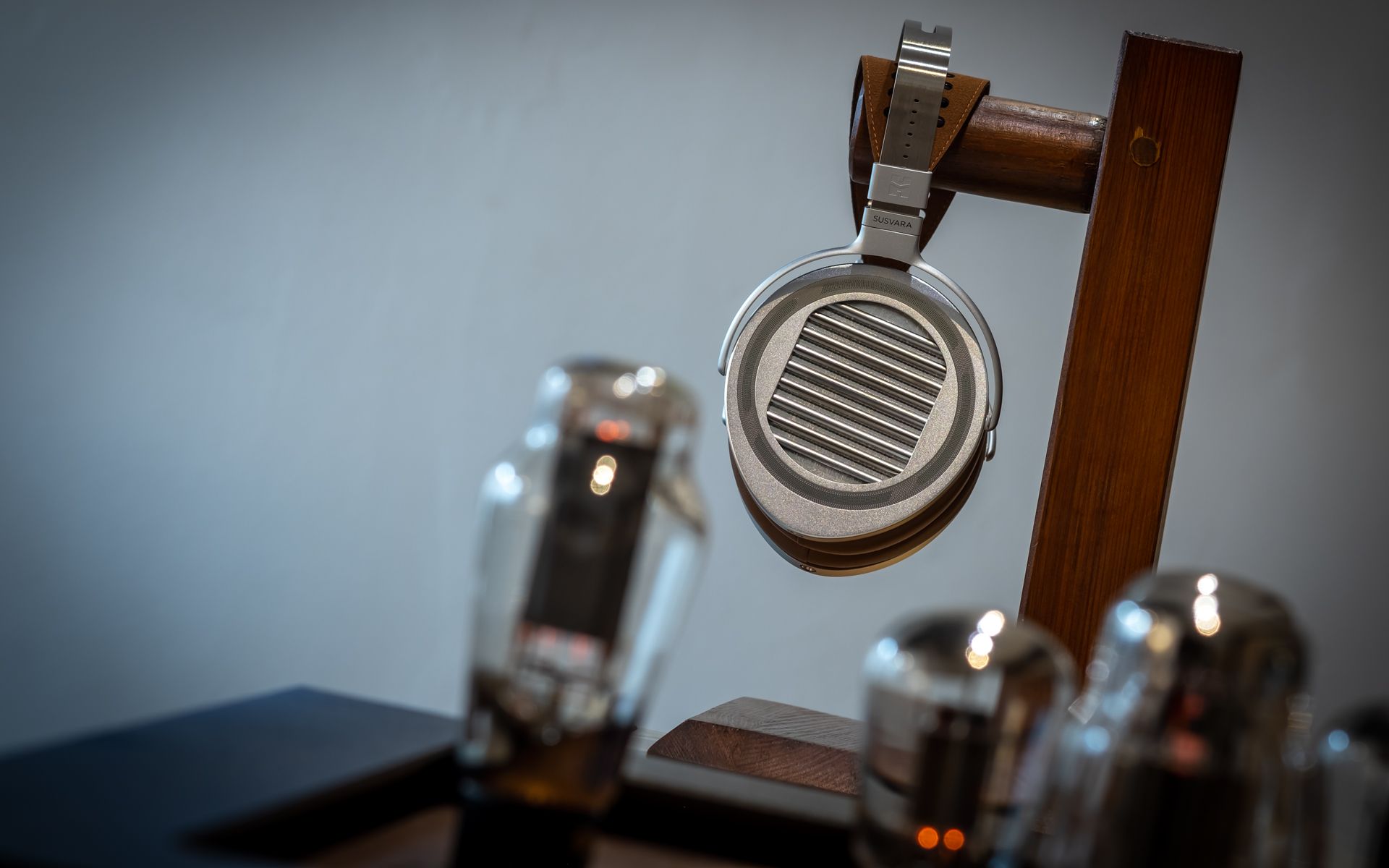
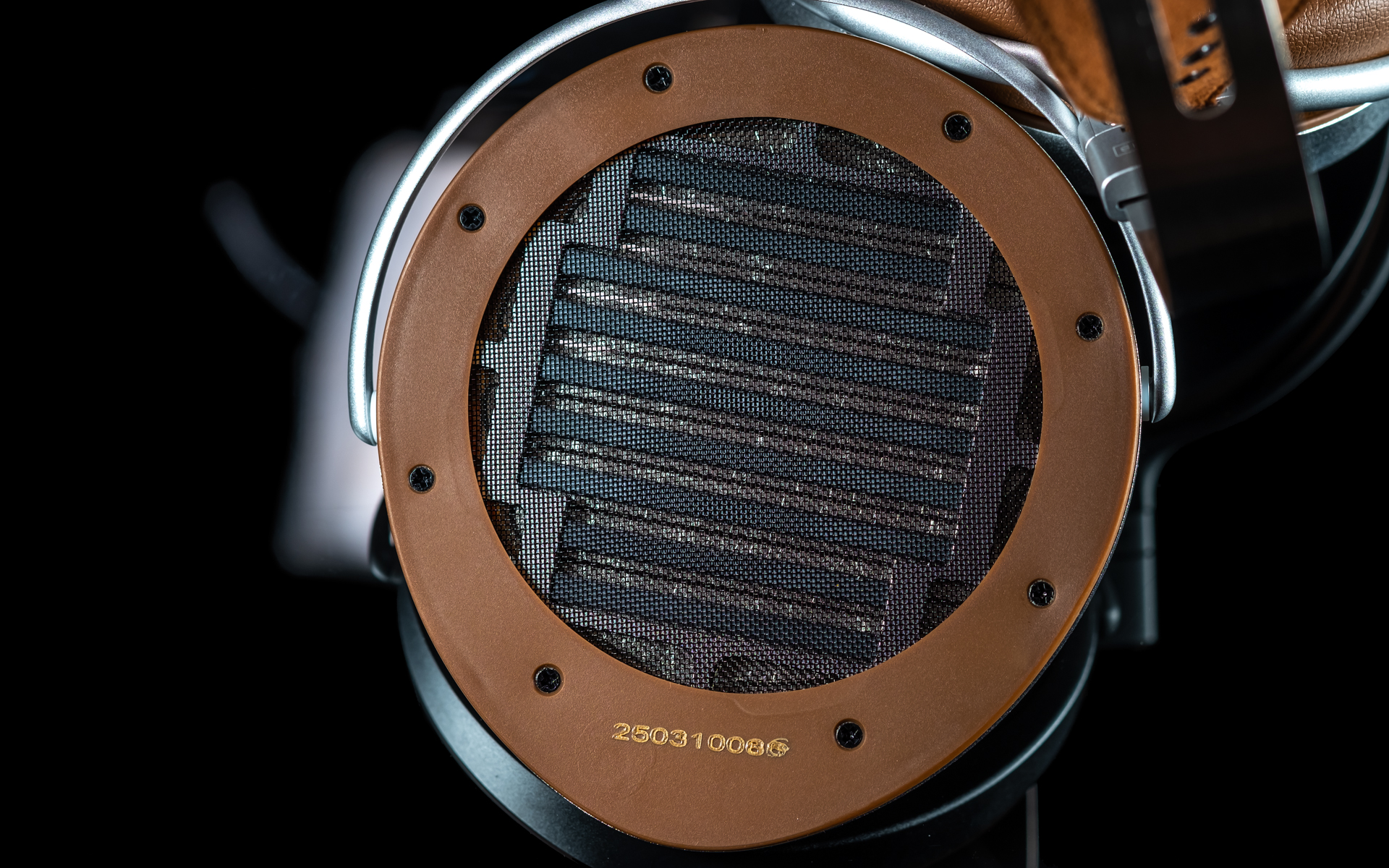
 A key structural deviation from the original Susvara is the removal of the protective black mesh that previously guarded the diaphragm, and also outer protective grilles that formed the external earcup piece. On the Unveiled, the membrane — exceptionally thin and inherently delicate — sits far more exposed. Consequently, routine operation involves detaching the magnetically secured outer shells aka Magnetic Veils prior to listening and reinstalling them afterward. This sequence introduces a small ceremonial flair to each session; however, it also nudges the Unveiled into a category of devices that demand more procedural care. Compared to the OG Susvara, which allowed immediate use without such handling, the new model is objectively fussier from a usability standpoint. All told, the Susvara Unveiled behaves like a modernized flagship: more open, more efficient, and executed with an attention to detail that finally feels commensurate with its pricing tier. The industrial language remains unmistakably HiFiMAN, yet the underlying engineering is tighter, more deliberate, and decisively more grown-up — exactly the trajectory one expects when revisiting a platform with legendary status and refining it for a new cycle. Now we can move on to the listening impressions. It’s worth noting that today’s subject naturally had to contend with its predecessor. The battlefield consisted of the Innuos Statement Next-Gen server/streamer feeding the LampizatOr Horizon360 DAC, while the Enleum AMP-23R was the only head-fi amplifier I needed to form a clear opinion.
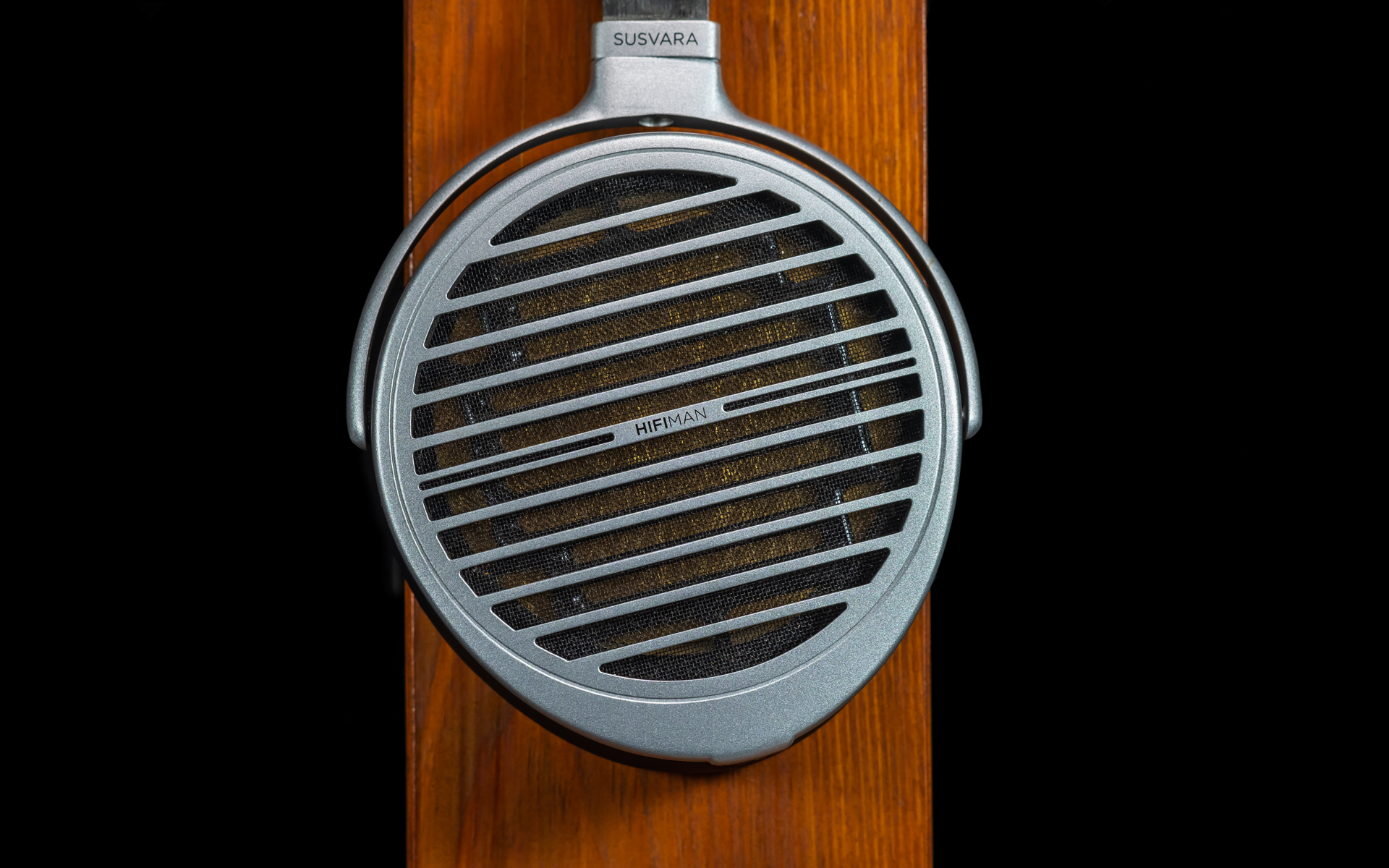 Let me start with the original Susvara. When I first placed these cans over my ears, it felt like meeting a quiet authority—one that didn’t announce itself with the flashy immediacy of some high-end planars, but instead projected a disciplined, understated confidence. The mids emerged first: voices floated with natural clarity, weight, and texture, rendering every breath and subtle vibrato unmistakably lifelike. It was a midrange that conveyed body and presence yet remained effortlessly smooth, never slipping into artificiality or coloration.
 With a truly copasetic companion amplifier, the Susvara delivered a remarkable blend of depth, control, and texture in the low end. It never boomed for effect; instead, it asserted itself only when the music called for it. Sub-bass notes carried real solidity without smearing, and even dense passages maintained clarity and separation. On electronic tracks, kick drums landed with authority yet never overwhelmed the mix; in orchestral recordings, double-bass lines resonated fully while leaving ample space for the mids and treble to breathe. The treble followed suit—smooth, airy, and effortlessly fast. Cymbals exhaled, harmonics blossomed, and room reverb expanded with natural ease, free from sibilance or fatigue. The highs remained present yet never attention-seeking, integrating seamlessly with the rest of the spectrum. The Susvara balanced detail and musicality so well that I could appreciate every subtlety without being pushed into analytical listening.
 Soundstage and imaging were another triumph. Spacious yet grounded, the Susvara presented width and depth with precision, letting instruments occupy distinct positions without exaggeration. There was a sense of air, space and motion, but intimacy was preserved; listening felt like reconstructing a live session rather than being in a hall of artificial reverb. Dynamics were similarly composed: crescendos arrived with authority but never dramatization, and even subtle passages conveyed energy and realism. The Susvara also brilliantly maintained coherence across genres. Rock, classical, electronic, vocal recordings—all were treated equally well and artfully, with nothing exaggerated or diminished. Details emerged gradually: the faint resonance of a tambourine, subtle harmonic layers, nuanced voice inflections—all rendered with clarity, yet without analytical coldness. Music remained alive, packed with vibrant colors, elegant, intelligible, and engaging both intellectually and emotionally.
 And yet, as much as I could equally praise the Susvara for any its frequency part, soundstage, or dynamic control, I realized that none of these aspects alone define these cans. Other headphones might offer more thunderous bass, more revealing detail, or even more pinpoint imaging. What makes the Susvara extraordinary, at least to my ears, is precisely that it doesn’t have an obvious weak link. On every front, it maintains a remarkably high performance level—uniform, balanced, and uncompromising. That quiet consistency, the sense that it is never letting any aspect of the music down, became its most compelling quality. This is why ever since I obtained these headphones, I never found myself truly lusting after other cans. The Susvara doesn’t simply impress—it reassures, envelops, and satisfies in a way that few others can. That particular and very rare steadiness kept the upgrade itch at bay for years to come.
 With that lay of the land, let us now move to the comparison between the original Susvara and its Unveiled sibling. Having spent time with both, the differences weren’t drastic yet undeniable. The newcomer immediately struck me as dynamically keener and in general more gifted in that area, which, considering it was an easier load for my amplifier of choice, was not surprising. These headphones pushed air more effortlessly; bass jabs arrived with a sense of higher-tiered ease, lending the music a broader dynamic range and a slightly spicier, more agile tuning in the best sense of the word. It was as if the entire sound had been subtly energized, revealing micro-dynamics and rhythmic nuances with newfound clarity, crispness and freshness.
 Detail retrieval and spatial presentation were equally impressive. Virtual sound sources now occupied space with greater definition, layers were more apparent, and the subtle veil that the original Susvara apparently packed now seemed lifted entirely, which is something I could map only by today’s comparison. The imaging executed by the newcomer model felt more three-dimensional, more revealing of the distances and interactions between instruments. A cymbal’s decay, a plucked string’s resonance, even the faintest whisper in a vocal performance were slightly more tangible, giving the music a sense of life that compelled me to listen more attentively.
 Yet, through all of these enhancements, the original Susvara never felt completely overshadowed. While somewhat cloudier and more intimate, its quiet excellence remained fully intact, the confidence and coherence I had come to rely on still present in every recording. The mids were smooth, the tonal balance natural, and the musical flow effortless, maintaining a sense of cohesion that made extended listening sessions deeply satisfying after all those years. Even as the Unveiled demonstrated greater immediacy and layered openness, after each back and forth I appreciated the elegance of the OG Susvara’s uniform performance across all frequencies.
 For my taste, however, the Unveiled nudged the envelope just a notch further. The combination of wider dynamic range, the extra bite and overall ease, more agile transient response, and the grander spatial presentation made most recordings feel more alive. Drums were tauter, strings fuller, and passages I had listened to countless times seemed to breathe with the extra energy beyond the original’s already remarkable capabilities. Yet this refinement never came at the cost of musicality; if anything, the Unveiled inherited the OG Susvara’s calm confidence, amplifying its strengths while revealing just a little more of the music’s inner life.
 In the end, the story this comparison told was one of respectful evolution. The original Susvara held its ground with quiet authority and uniform excellence, a benchmark in balance and tonal integrity that still impresses even eight years later. The Unveiled, for my ears, carried that same legacy while expanding the boundaries slightly—dynamically broader, more intense, revealing, crisp and fresh —without ever betraying the character that made the Susvara special in the first place. Listening to both, I felt the thrill of discovery alongside the reassurance of mastery, a rare combination that left me appreciating each in its own right, and yet aware that the Unveiled had taken the familiar formula further by a noticeable and highly appreciated margin. It’s time to wrap.
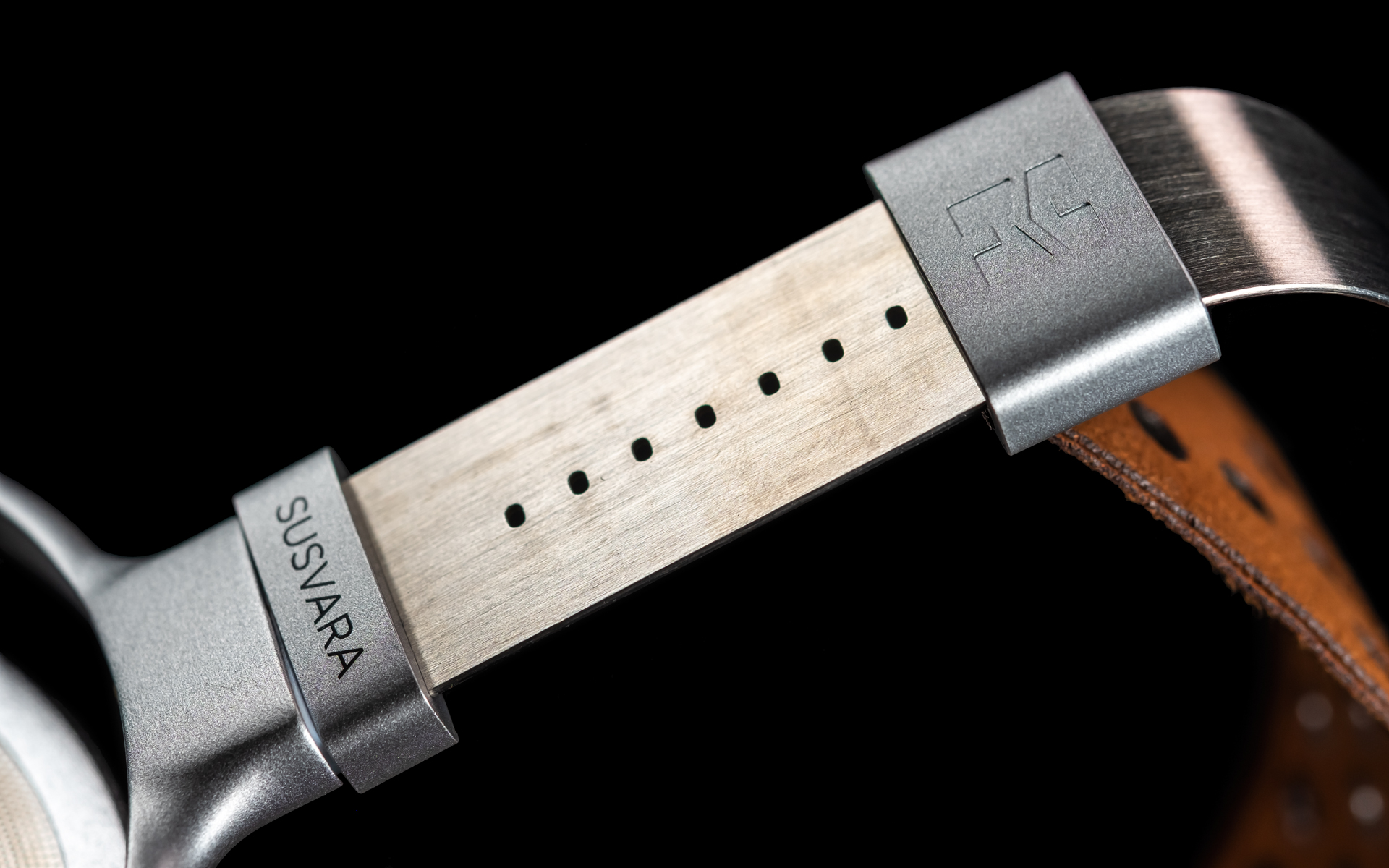
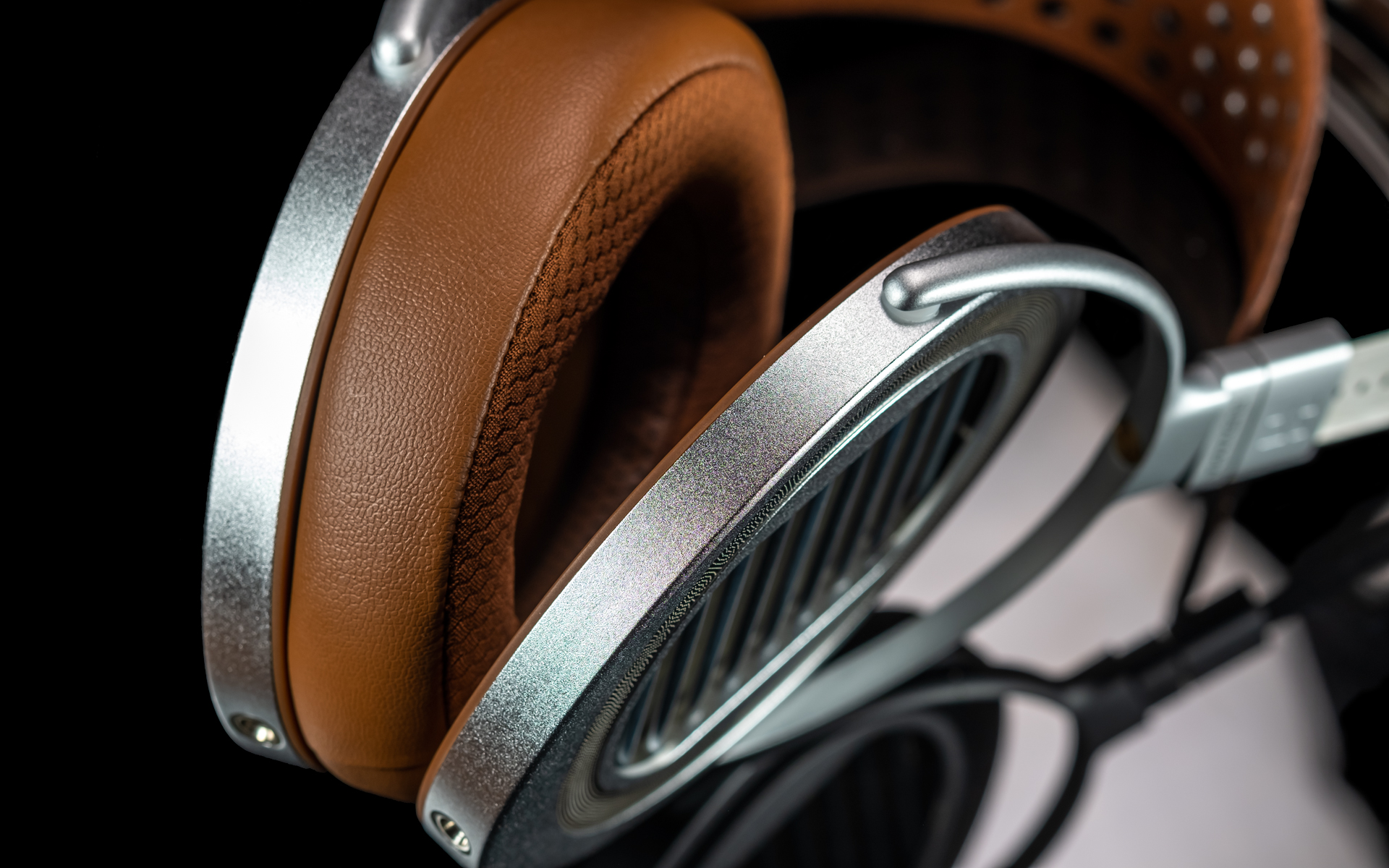
Until recently, if I had to live with just one pair of headphones, Susvara would’ve been it. Hooked to the Enleum AMP-23R, that duo simply clicked in all the right ways. But as much as I adore the original, the Unveiled marks progress that’s difficult to shrug off. Both models are luxurious by definition, yet the first Susvara never truly felt like one in the hand. Its successor does. Built to noticeably higher standards, it finally carries itself like a proper flagship. With its wafer-thin membranes exposed it also demands utmost care, but those willing to accept this are rewarded handsomely. The Unveiled steps ahead in clarity, dynamic reach, articulation, and spatial complexity just about enough to register as the more advanced performer. In my book that’s sufficient for it to claim the top spot in HiFiMAN’s planar hierarchy.
Associated Equipment:
- Amplifier: Trilogy 995R, FirstWatt F7, Enleum AMP-23R
- DAC: LampizatOr Horizon360 (Stradi 5U4G + Psvane Summit 4x KT88 / 2x 6SN7)
- Speakers: Boenicke Audio W11 SE+, sound|kaos Vox 3afw
- Transport: Innuos Statement, fidata HFAS1-S10U
- Preamplifier: Trilogy 915R, Thöress DFP
- Speaker cables: Boenicke Audio S3, LessLoss C-MARC
- Headphones: HifiMan Susvara Unveiled, Campfire Audio Cascade, Vision Ears VE5
- Speaker signal conditioning: LessLoss Firewall for Loudspeakers, Boenicke ComDev
- Anti-vibration conditioning: 6x Carbide Base Diamond (under streamer), 6x Carbide Base Micro Diamond with TwinDamp inserts and spikes (under DAC and pre), Vibra 68 (under speakers), 12x LessLoss Giant Steps (under streamer, DAC and pre)
- Interconnects: LessLoss Entropic Process C-MARC, Boenicke Audio IC3 CG
- Power components: Gigawatt PC-3 SE EVO+/LC-3 EVO, LessLoss C-MARC, LessLoss Entropic C-MARC, LessLoss Stellar C-MARC, LessLoss Power Distributor into Boenicke Audio Power Gate, ISOL-8 Prometheus
- USB components: AudioPhonique Desire USB
- Rack: Franc Audio Accesories Wood Block Rack 1+3
- Network: Fidelizer EtherStream, Linksys WRT160N
- Music: NativeDSD
Retail prices of reviewed components in EU (incl. VAT):
- HiFiMAN Susvara Unveiled: €8’800
Manufacturer: HiFiMAN