

Following the late-2025 review of the Auva 70 loudspeaker footers, it’s time to tackle its more affordable electronics sibling, the Stack Audio Auva EQ. Enjoy!
Burnin’ rubber
I didn’t plan this. That much is certain. Yet somewhere along the way—between curiosity, mild skepticism and a long string of “let’s just see what this does”—I ended up with a rather sizeable army of anti-vibration footers. What started as the usual audiophile detour quietly escalated into a full-blown side quest with its own hierarchy, internal logic and, occasionally, surprisingly audible consequences. These days my stash spans from very affordable isolators to devices that cost more than some components or speakers they’re meant to support. Excessive? Perhaps. Informative? Undeniably.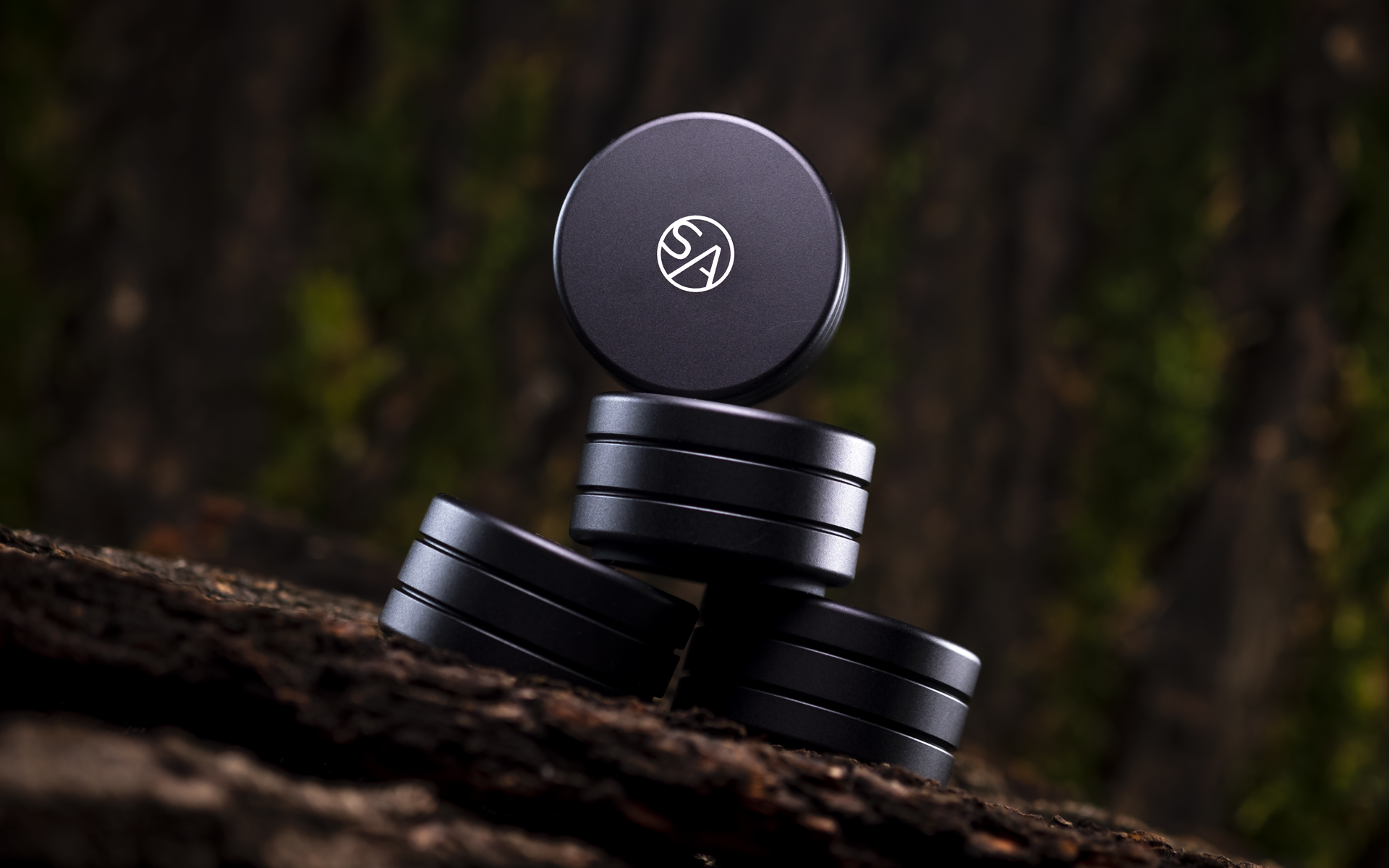 That said, few accessory categories in audio are as easily dismissed as resonance control. To some it’s a playground filled with inflated claims and mechanisms that shouldn’t make an iota of audible difference, to others a very real layer of system optimization that reveals itself most once the basics are firmly in place. My experience lands firmly on the latter. While anti-vibration devices are often written off as non-essential at best and frustratingly elusive at worst, in my case their gains have proven anything but imaginary.
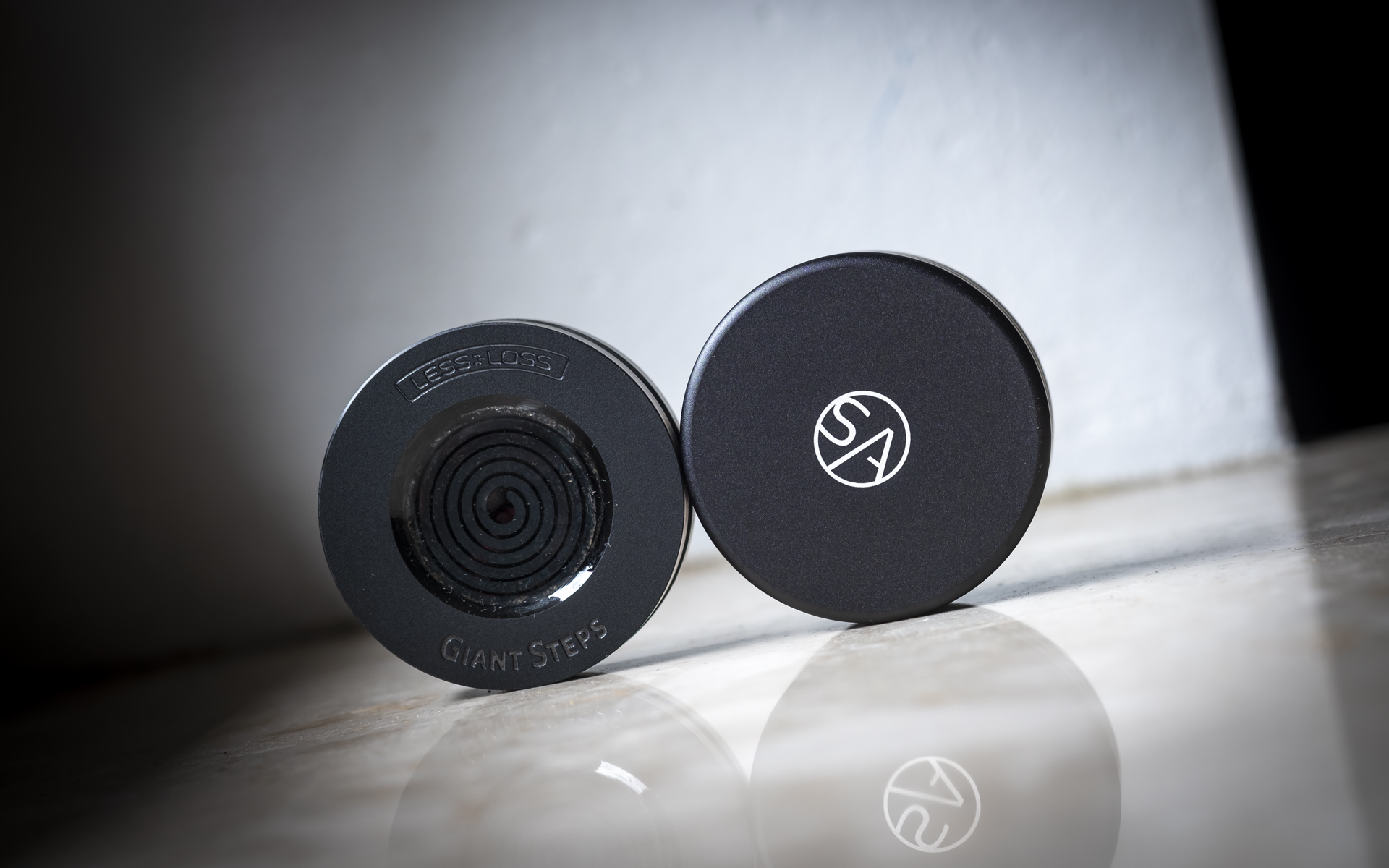
 At the most accessible end of the models currently at my disposal sit the recently reviewed Virtual Hifi Vibron footers in all sizes. Their 3D-printed topology makes them an oddball in the best possible way; neither explicitly soft nor conventionally hard, they occupy a middle ground that defies easy categorization. A step above are sound|kaos Vibra 30 and Vibra 68 devices built around wire suspension that, despite its mechanical elegance and allowance for some lateral play, firmly belong to the “hard” camp. Then, a fair bit higher up, come LessLoss Giant Steps pucks, unapologetically rigid and conceptually far more exotic. Their internal spiral—comprised of multiple thin diamagnetic and paramagnetic layers—actively repels external magnetic fields in real time. It’s a rather trippy twist and, to my knowledge, a unique pursuit in the footer space. After all, I’m not aware of any other such accessory that, alongside the usual anti-vibration protocol, also tackles airborne noise.
 Further up the expense ladder things get more elaborate still. Carbide Audio’s large Base devices combine hard ball-bearing interfaces with soft viscoelastic rings that behave like low-rate springs. This hybrid approach attempts to merge the immediacy of hard coupling with the compliance of soft damping. At the very top of my current pile sit the same manufacturer’s Diamond-tier Base Micros, which double down on hardness with twin ball-bearing stages coated in amorphous diamond and sandwiched between rigid bullet-shaped inserts built upon the company’s manganese-copper TwinDamp alloy. No softness here, just a very deliberate mechanical pathway. While all these accessories aim at the same fundamental goal, their means of getting there differ wildly—and those differences to me are anything but academic.
 Because at its core, the job description is shared. Regardless of price, size or visual flair, anti-vibration devices are tasked with isolating audio components from the surface beneath while also dealing with their own microphonics. That’s the common ground. The divergence begins with how each design chooses to execute that mission. As already outlined, the landscape splits into two camps: hard and soft, with a few hybrids designed to play both sides.
 The former—hard solutions—typically rely on one or several extremely rigid balls locked between equally hard surfaces. This arrangement allows for controlled lateral movement and forms what is often described as a mechanical diode. In practice, it’s a one-way sink that channels parasitic vibrations away from the component. Once transferred, these unwanted energies are dissipated as heat through friction within the device’s body. Here, material hardness is not a marketing footnote but a critical parameter. The harder the balls and their races, the smaller the contact area between them, and the more efficient and immediate the vibration transfer. Alternatives such as spikes or wire suspensions follow the same logic via different mechanical elements, but the underlying principle remains unchanged: provide a fast, low-resistance escape route for energy that doesn’t belong in the signal path.
 Soft solutions take a different stance. Instead of redirecting energy, they aim to absorb and damp it through compliance. Springs, rubber, cork or wood introduce controlled elasticity that reacts to incoming vibrations, particularly those of low frequency and large amplitude. The idea here is not so much to evacuate energy as it is to tame it—convert chaotic motion into something less intrusive before it can do harm. Many loudspeakers, especially those sensitive to floor-borne disturbances, benefit from this approach. It’s less about speed and more about attenuation over time.
 With enough exposure, these two philosophies become easy to recognize not just on paper but in practice. Hard devices tend to sound quick, explicit and incisive, often sharpening edges and improving perceived resolution. Soft ones lean towards substance and a certain bloom, yet usually at the expense of ultimate transient snap. Hybrids attempt to balance these traits, with varying degrees of success. None of this is new, and after cycling through enough examples, one might assume the playbook is more or less complete. That assumption didn’t survive my encounter with Stack Audio’s Auva 70 isolators.
 Reviewed in December 2025, these compact devices introduced me to an anti-vibration concept I hadn’t come across before. Given the sheer number of solutions already in circulation, that alone raised an eyebrow. Stack Audio apparently thought so too, as their approach warranted a patent application. Instead of relying on typical hard interfaces or soft compliance, the Auva 70 employs an internal architecture built around three chambers filled with fine particles. When vibrational energy enters the system, it triggers countless micro-collisions between these particles, effectively converting kinetic energy into heat almost instantly.
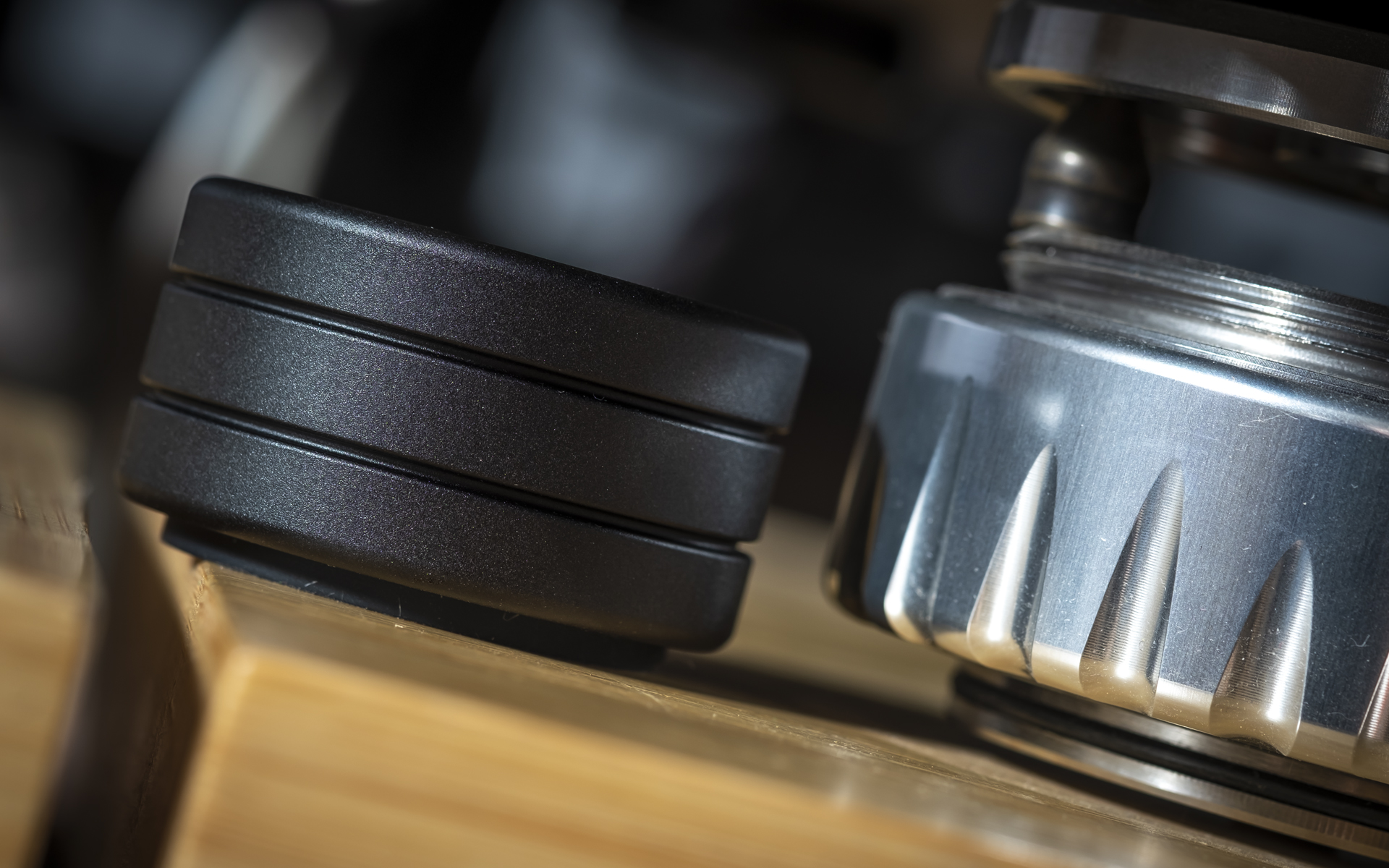
 The closest analogy would be a golf ball striking sand at high velocity. There’s no bounce, no stored energy waiting to return—just rapid absorption and dissipation. Crucially, these chambers are tuned to address a broad spectrum of frequencies, while the isolator’s mass and geometry ensure stable contact and even load distribution. Unlike most high-performance designs, there’s no allowance for lateral movement here. Everything happens internally, through particle motion and friction. The aluminium enclosure, devoid of moving parts, feels reassuringly solid and maintains its structural integrity under load. That it somewhat rattles when shaken in hand—well, let’s call it a musical feature.
 In practice, this unconventional method proved anything but a gimmick. The Auva 70 footers elevated my speakers’ performance to a degree that was both easy to notice and hard to ignore, all without venturing into the financial stratosphere that often accompanies such gains. They were also impeccably made, straightforward to use and visually understated—qualities that tend to age well in a system. The outcome was predictable: two quads joined my roster and promptly replaced the sound|kaos Vibra 60 pucks under my Vox 3afw monitors.
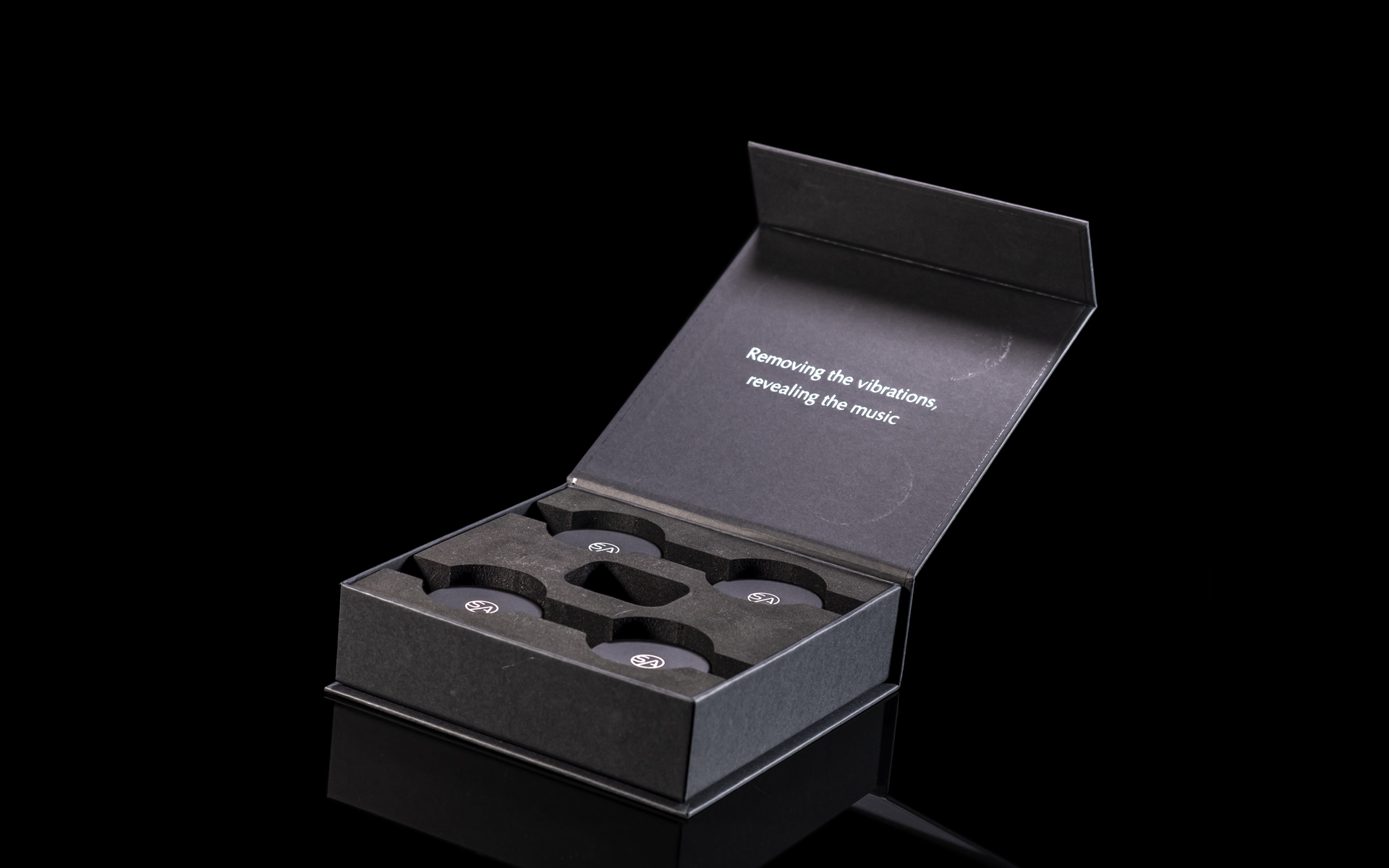
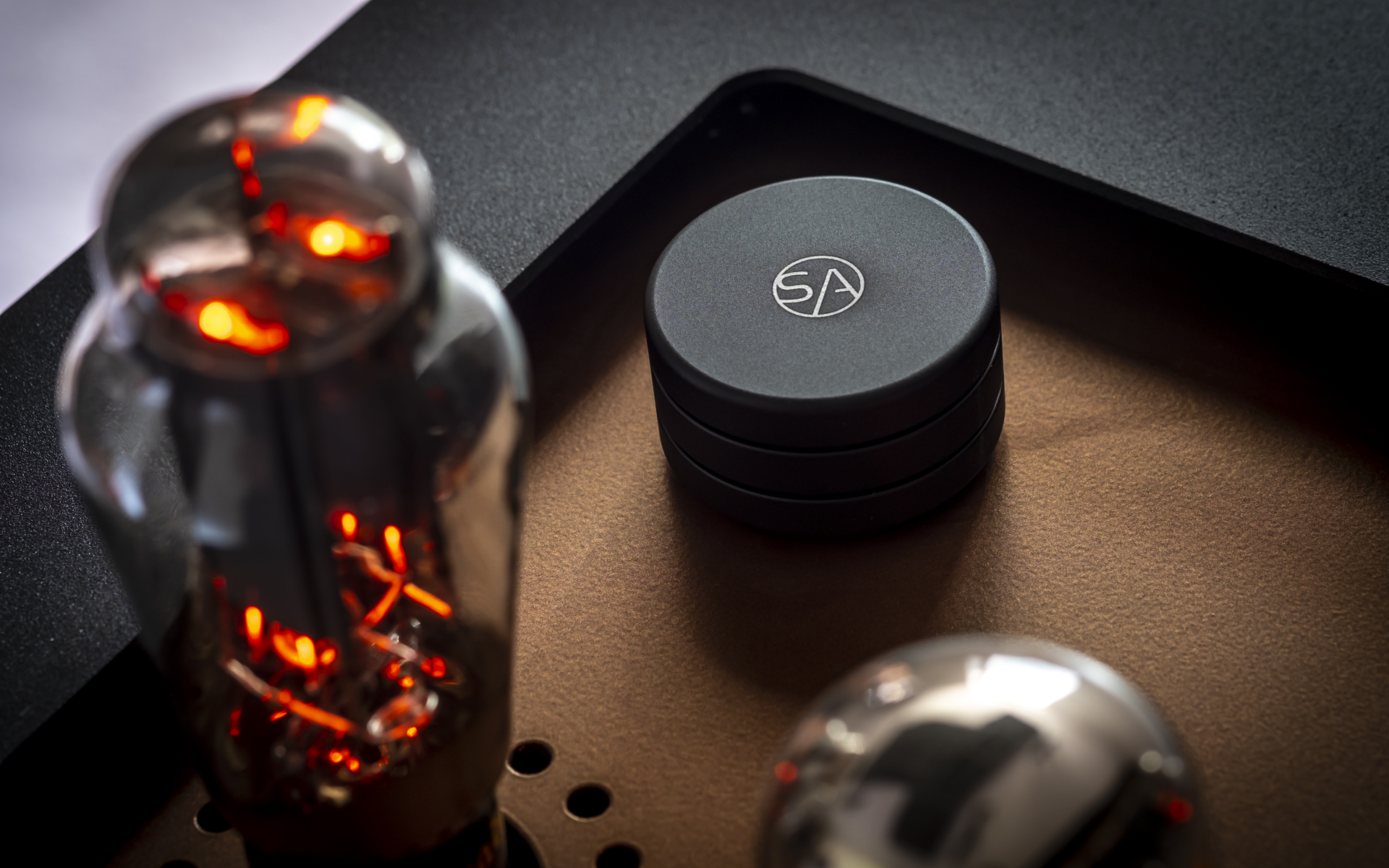 Fast forward to this year’s early March, and Josh from Stack Audio reached out with a simple question: would I be interested in reviewing their Auva EQ design, this time intended for electronics? The answer was immediate. After the very positive experience with the Auva 70, expectations for anything carrying the same DNA were no longer modest. If anything, they were uncomfortably high. Josh, seemingly unfazed by that reality, only asked how many units I’d need to conduct a proper evaluation. A quad seemed sufficient. Several days later, the package was on its way, and just like that, the next chapter in this unexpectedly deep dive into vibration control was underway.
 Stack Audio’s stance on vibration control is refreshingly clear-cut, yet not without nuance. In their view, compliant materials that absorb energy through controlled movement generally outperform traditional spikes tasked with draining it away. To team Stack that logic holds particularly true for electronics, where the goal is not to rigidly anchor a component but to shield it from a complex mix of incoming and self-generated vibrations. Speakers, however, are a different story. Their cabinets must remain stable to perform as intended, which is precisely why the Auva 70—despite its unconventional internal workings—leans firmly towards the “hard” camp. Stability first, everything else second.
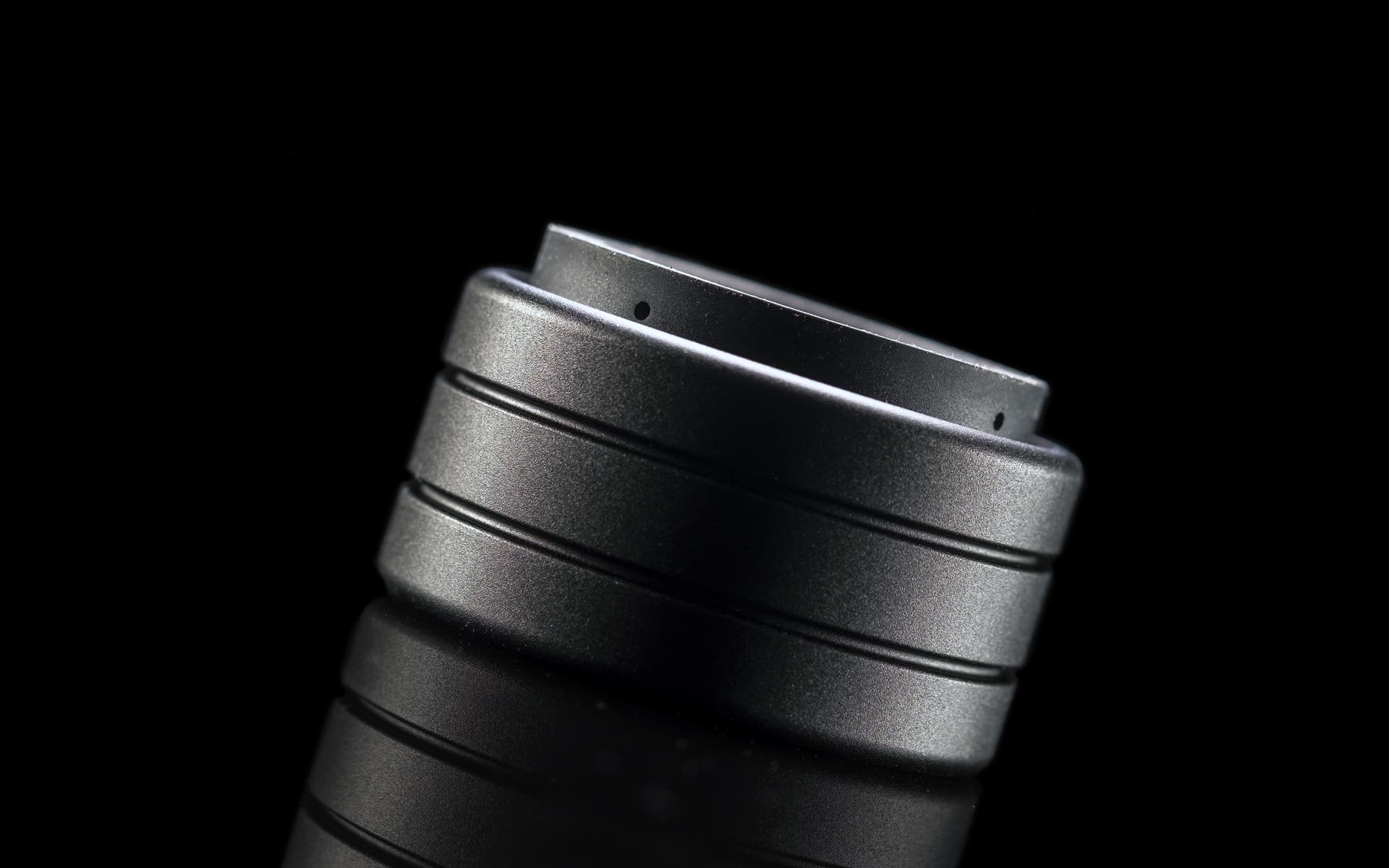
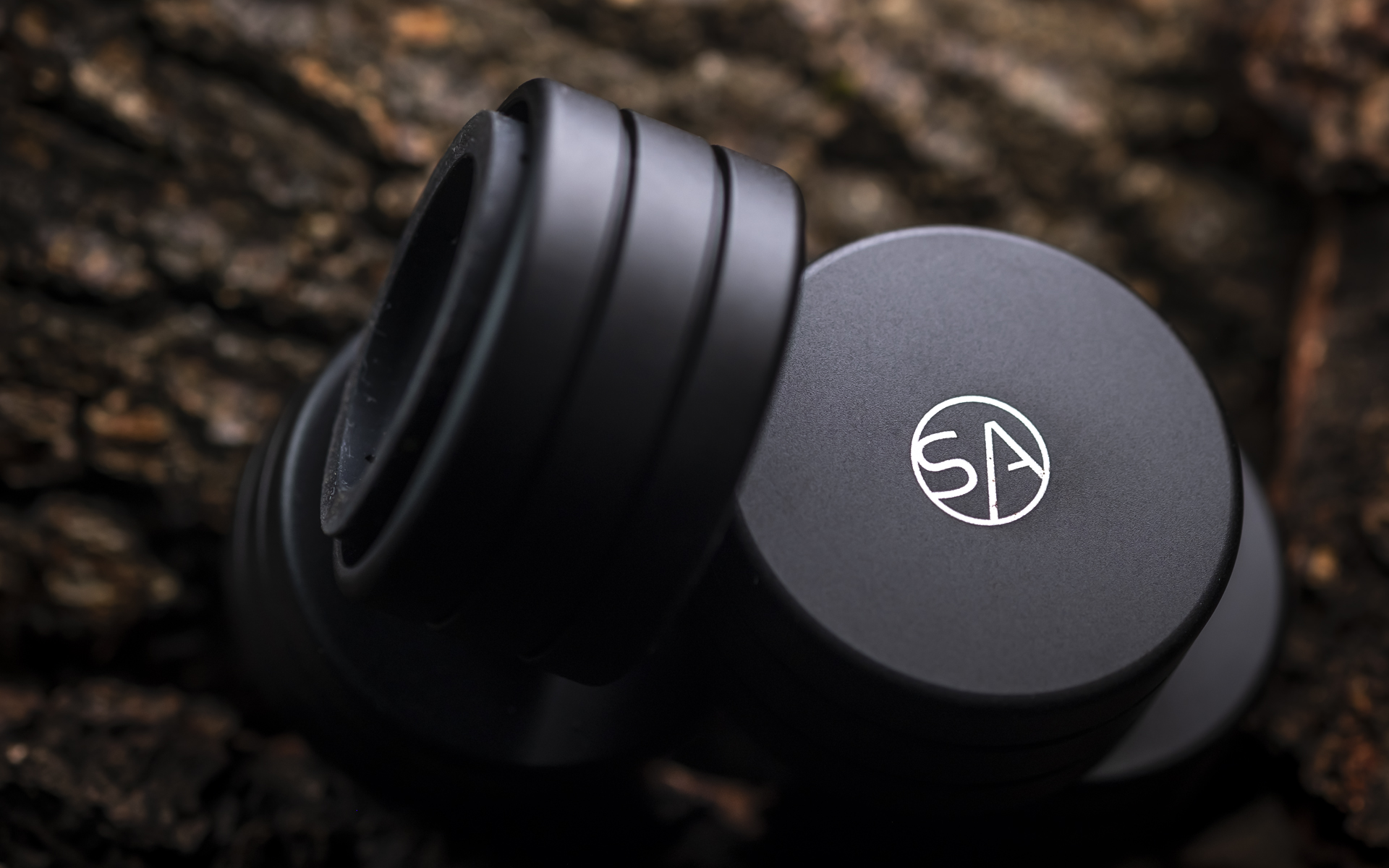
 The Auva EQ takes a different route altogether. Designed specifically for electronics, it builds upon the company’s now familiar particle-damping concept, but expands it into a two-stage isolation system meant to tackle a broader and more nuanced vibrational spectrum. The patent-pending core remains intact, albeit simplified. Instead of three chambers as seen in the Auva 70, the EQ version employs a single sand-filled compartment. That alone would already set it apart from most competitors, but Stack Audio didn’t stop there.
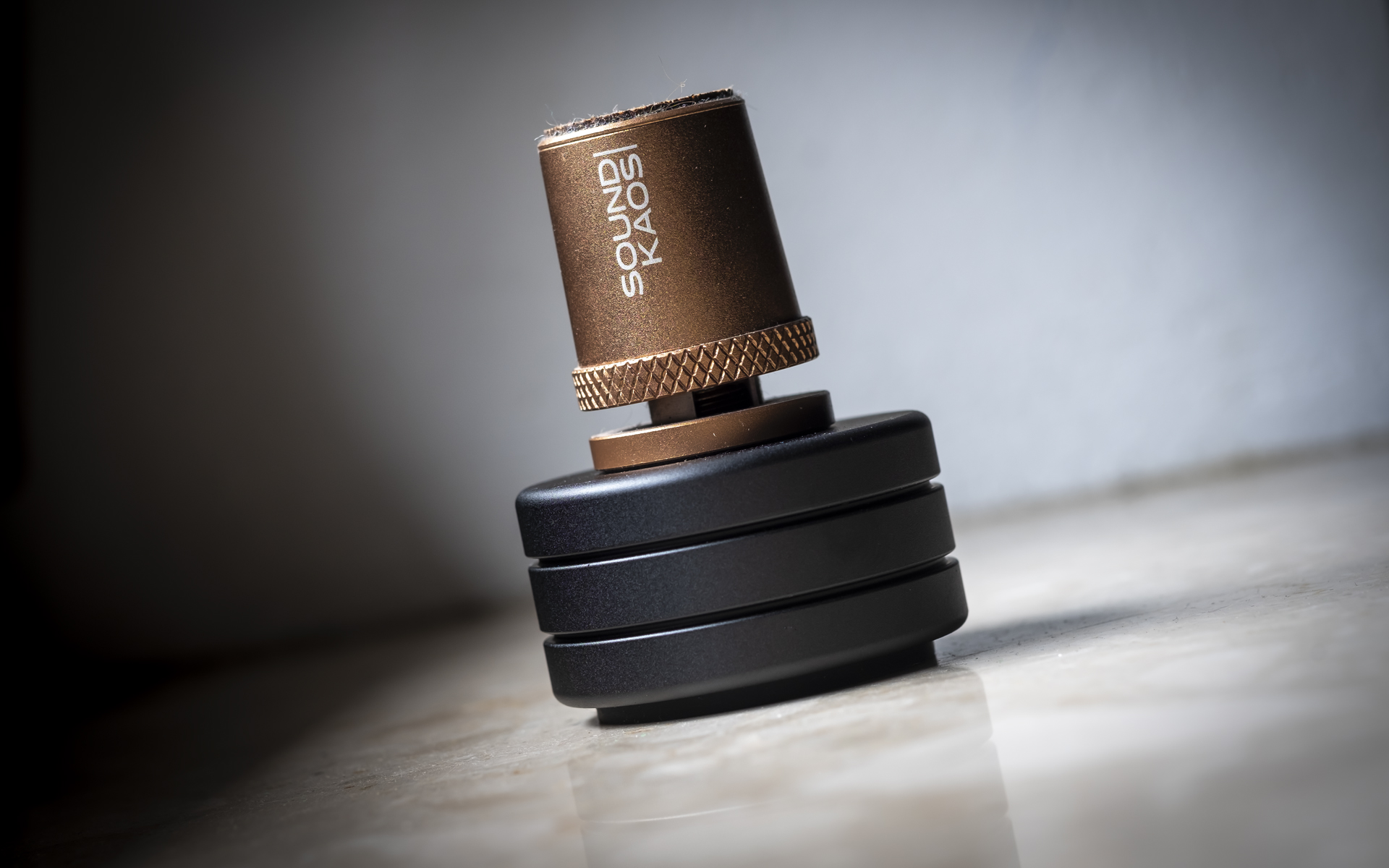
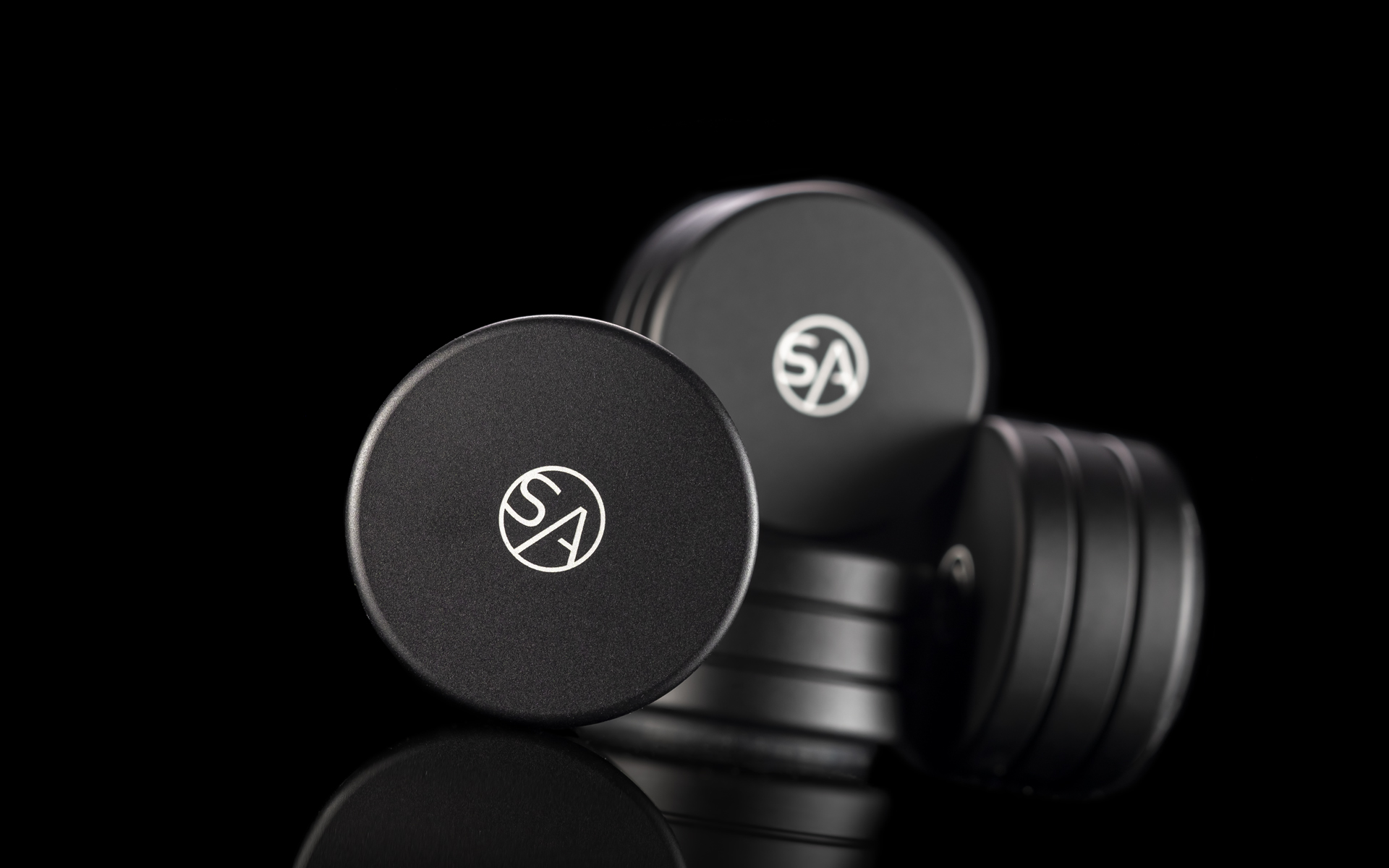
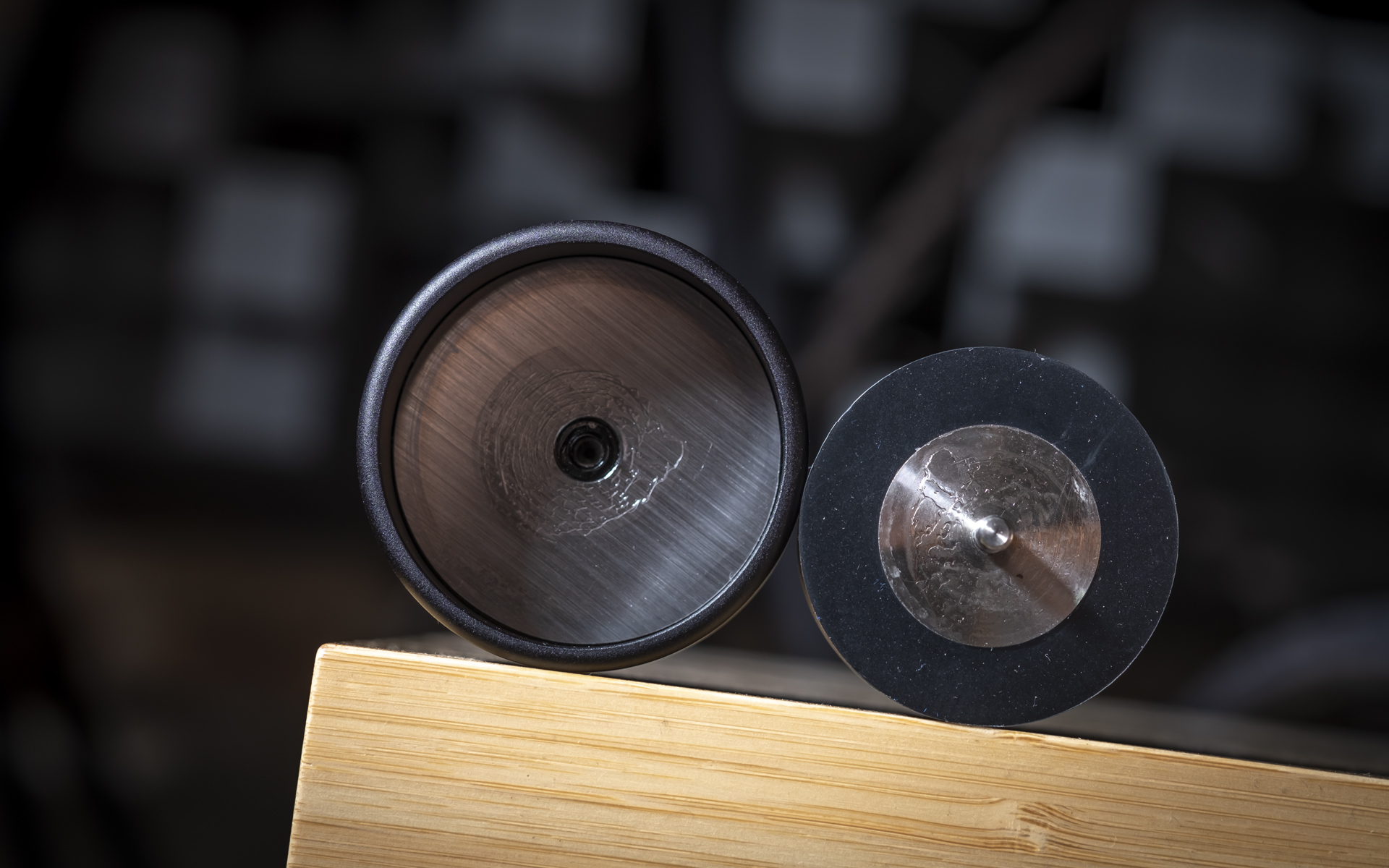
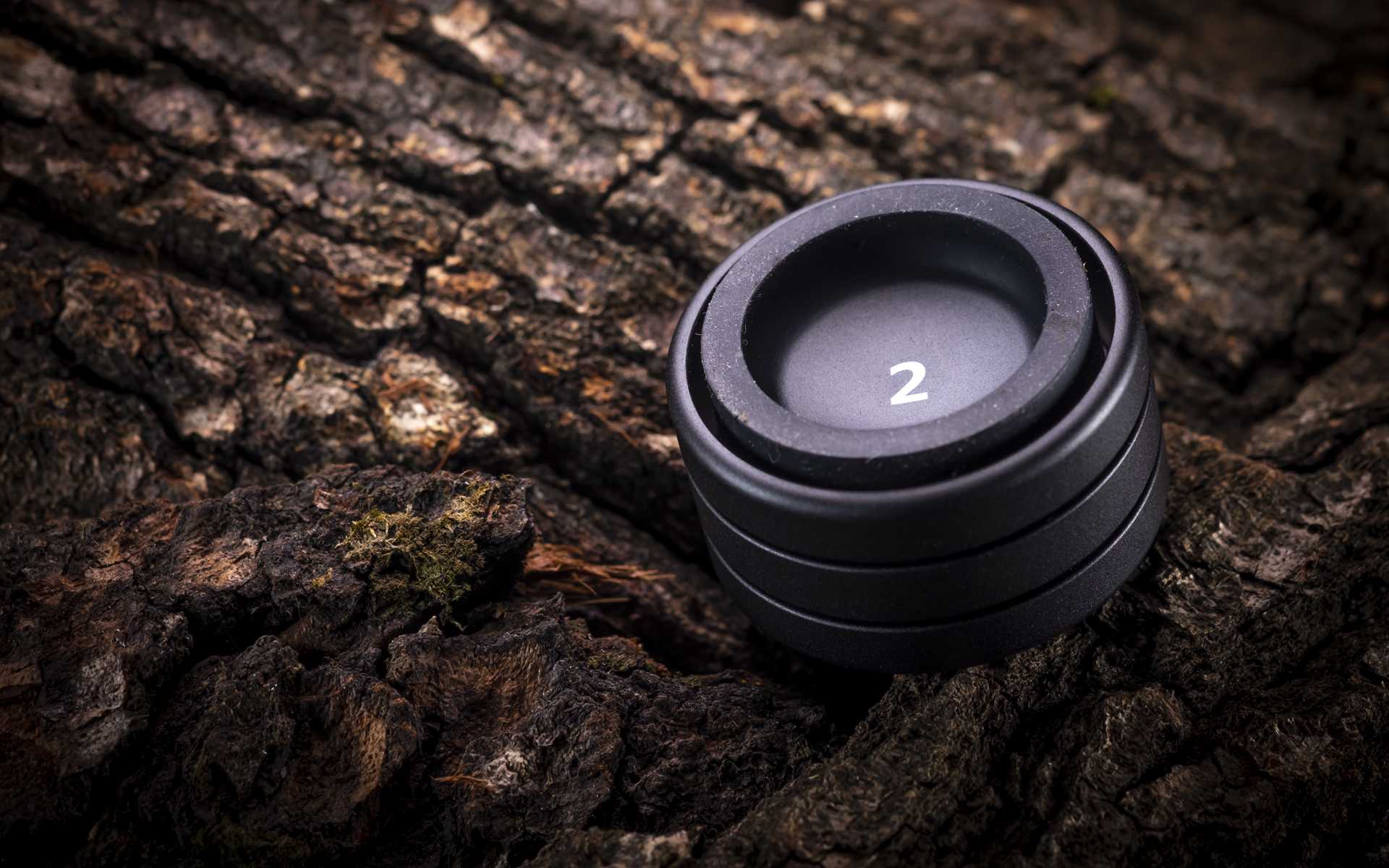
 Enter the second layer: CSA, short for Custom Silicone Absorber. This compliant insert resides almost entirely within the Auva EQ’s compact body and connects to the particle chamber above via a threaded bolt that also allows for height adjustment. Mechanically, this creates a stacked system where a viscoelastic CSA interface absorbs external vibrations, while the particle-filled chamber dissipates the minute oscillations generated by the electronics themselves. It’s a deliberate combination of absorption and conversion rather than reliance on a single strategy.
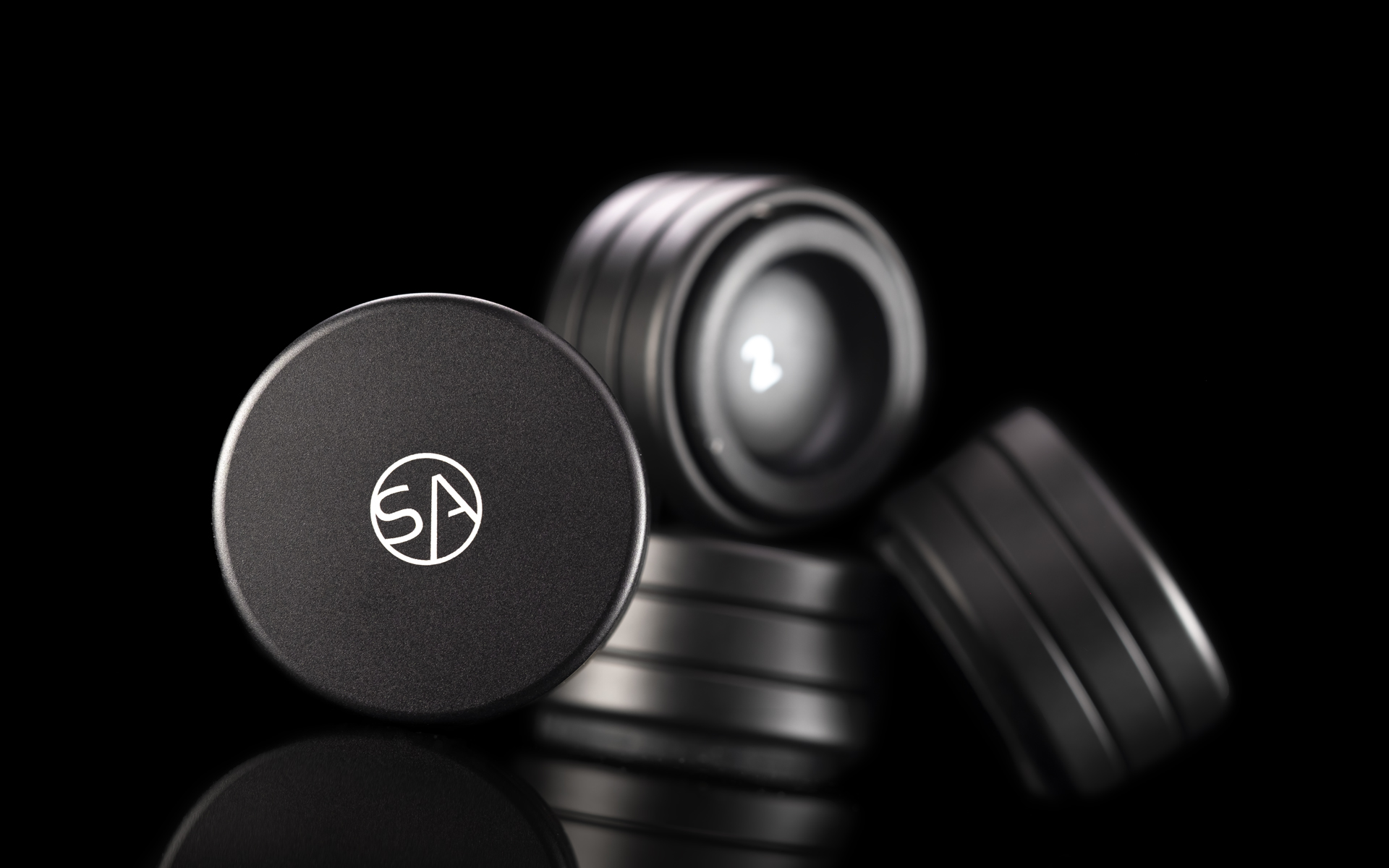
 I was informed that the CSA itself is far from a generic piece of rubber. Stack Audio specifies a silicone formulation with molecular properties tailored to their damping targets. Once an electronic component rests on the Auva EQ, this internally hollow, round insert forms a small air pocket, while four tiny openings at its base introduce additional compliance, allowing it to respond more freely to incoming energies. The material’s viscoelastic nature means it deforms under load but reliably returns to its original shape, a trait that directly supports its ability to dissipate energy efficiently over repeated cycles. Equally important are its practical attributes. The chosen silicone scores high in damping capacity, remains thermally stable across a wide temperature range and resists long-term deformation. In other words, it’s built not just to perform, but to keep performing without gradual drift or fatigue.
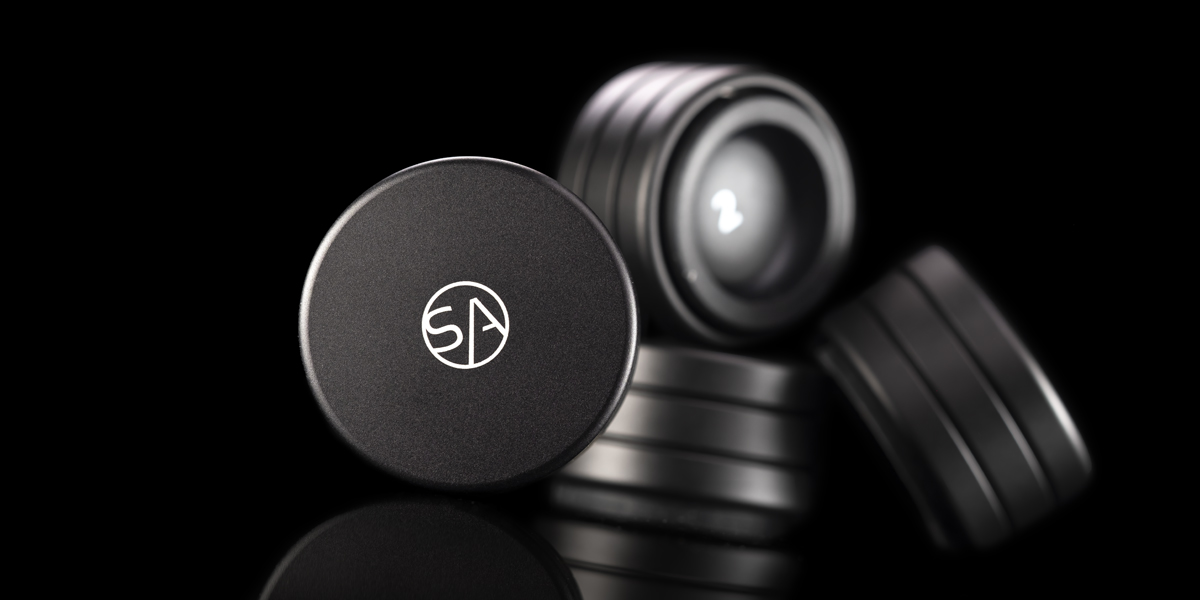
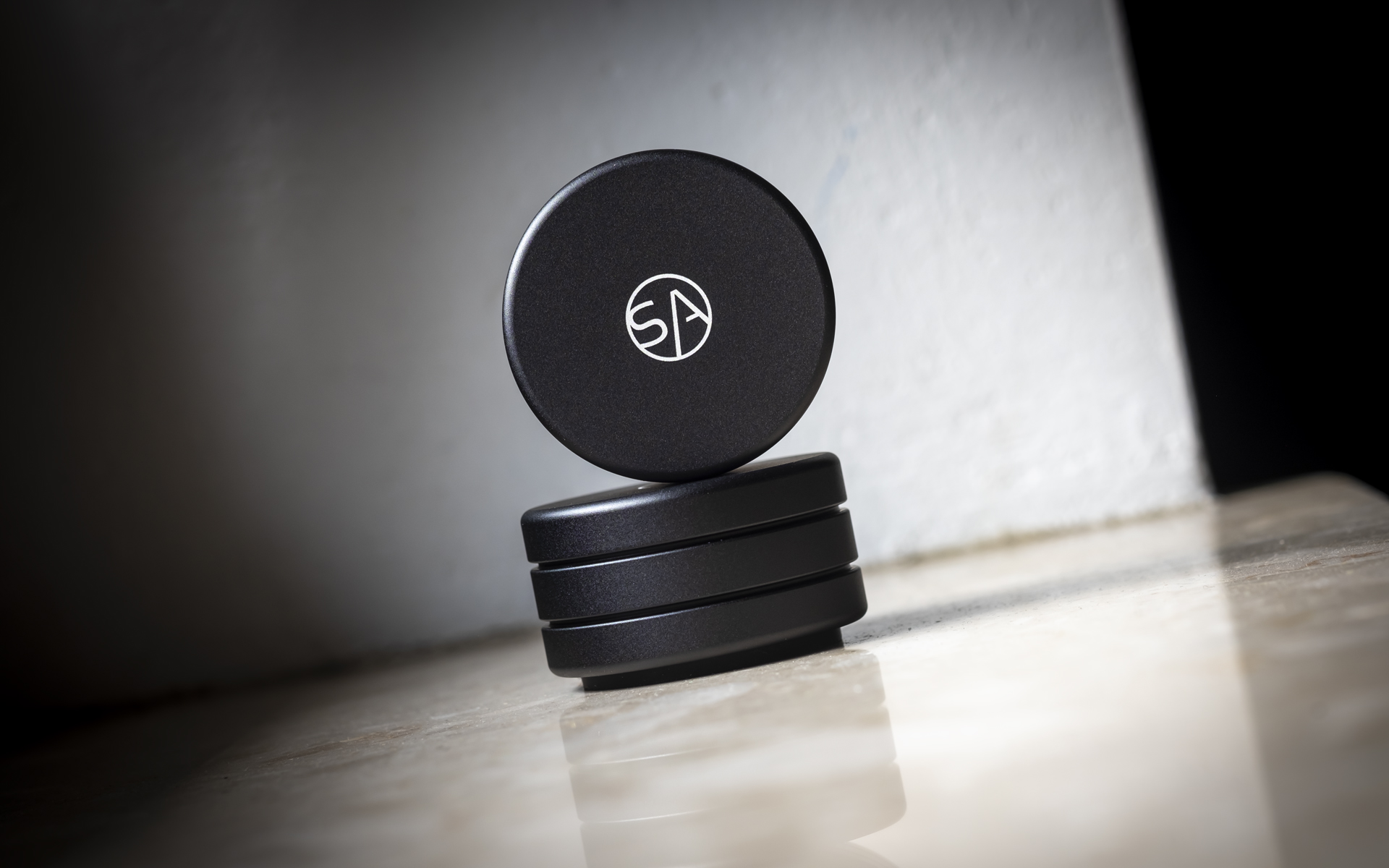
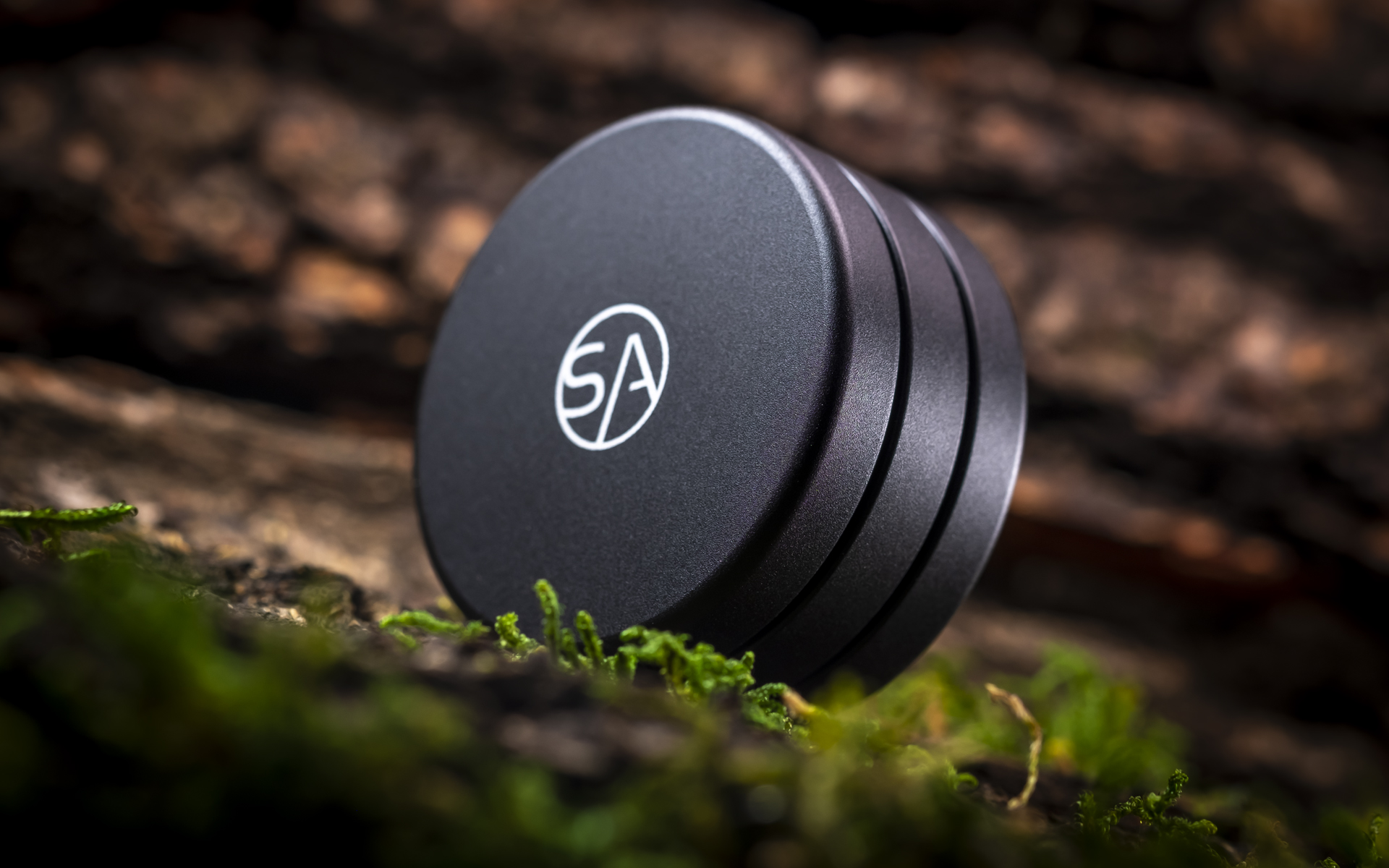
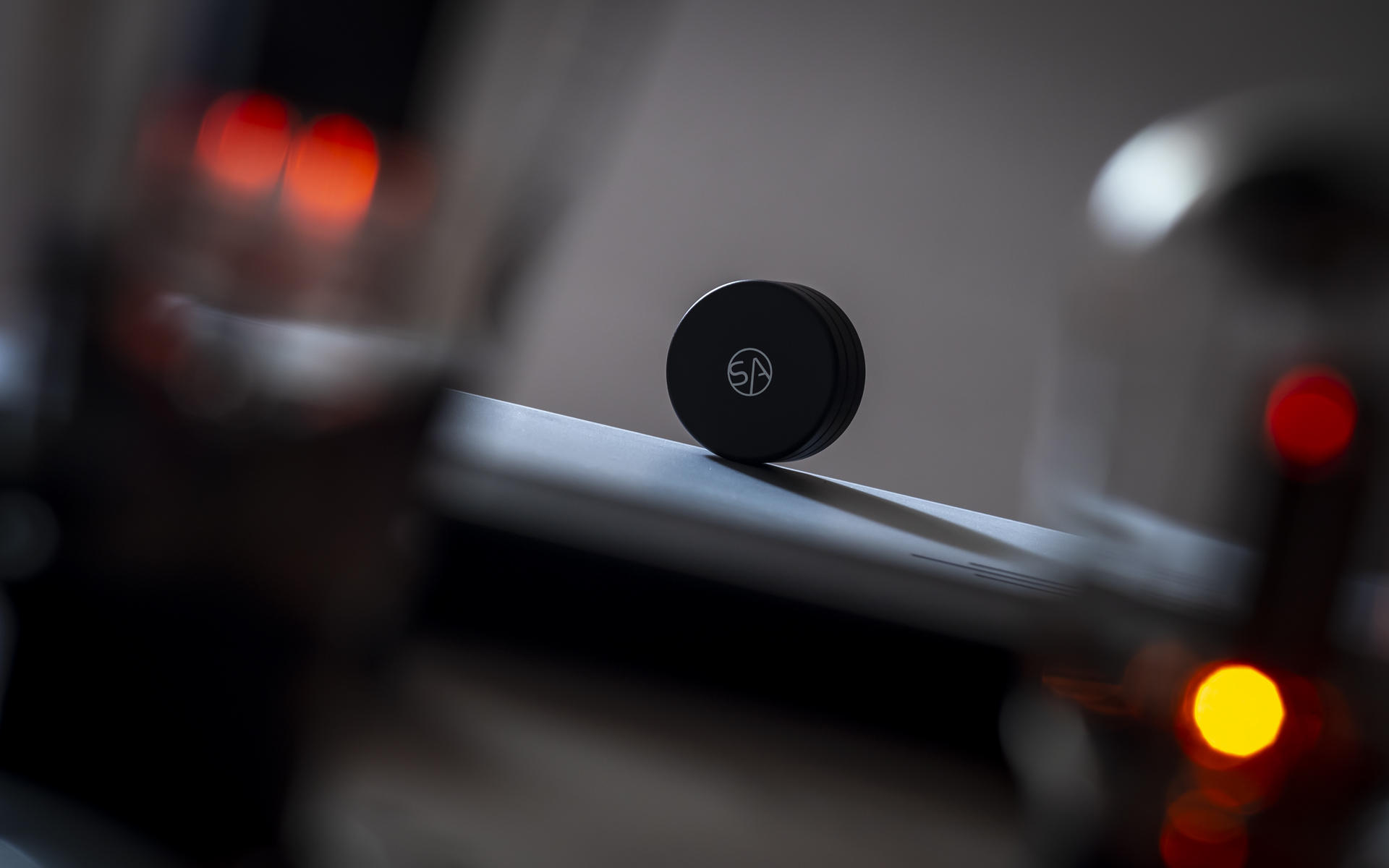
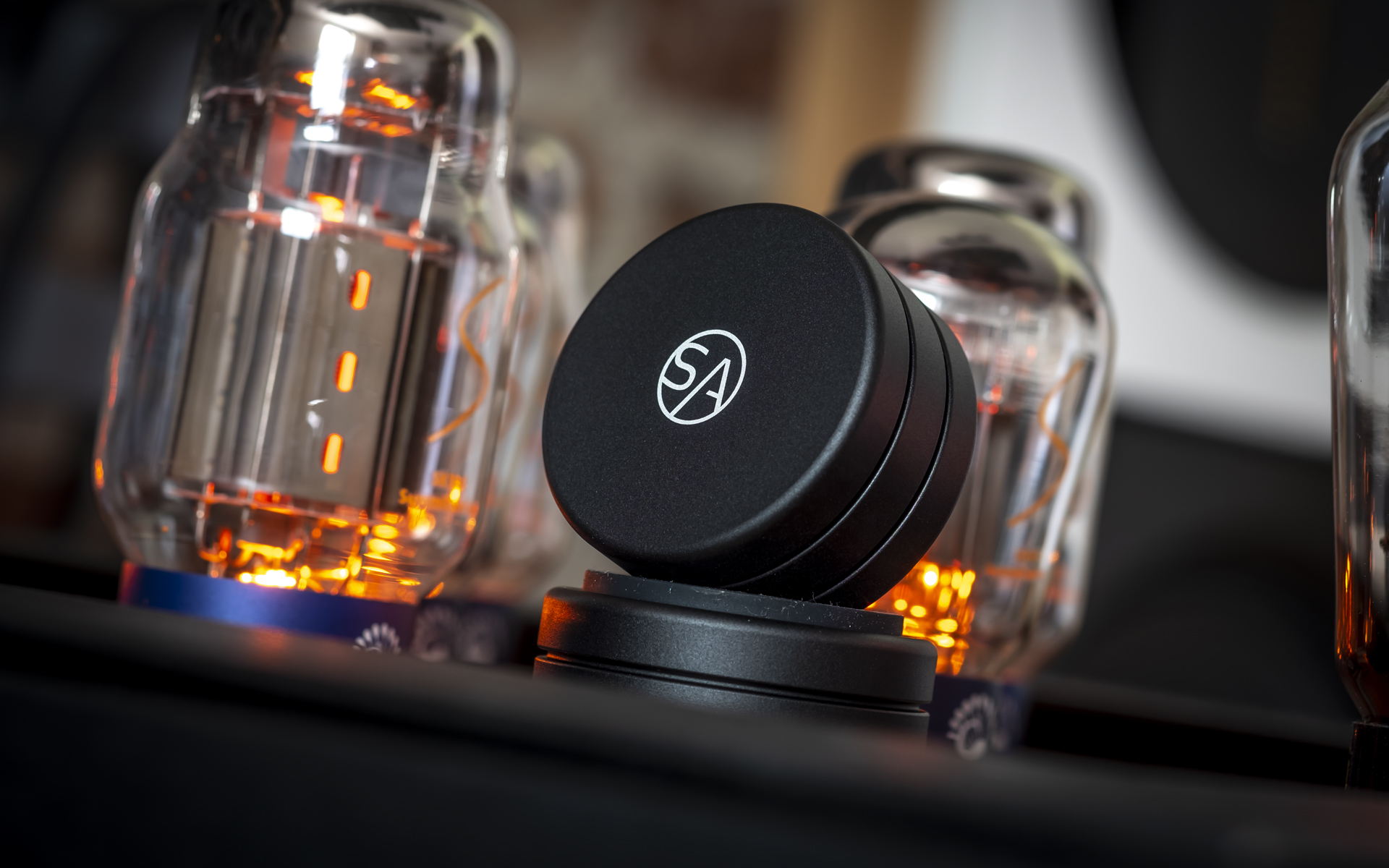
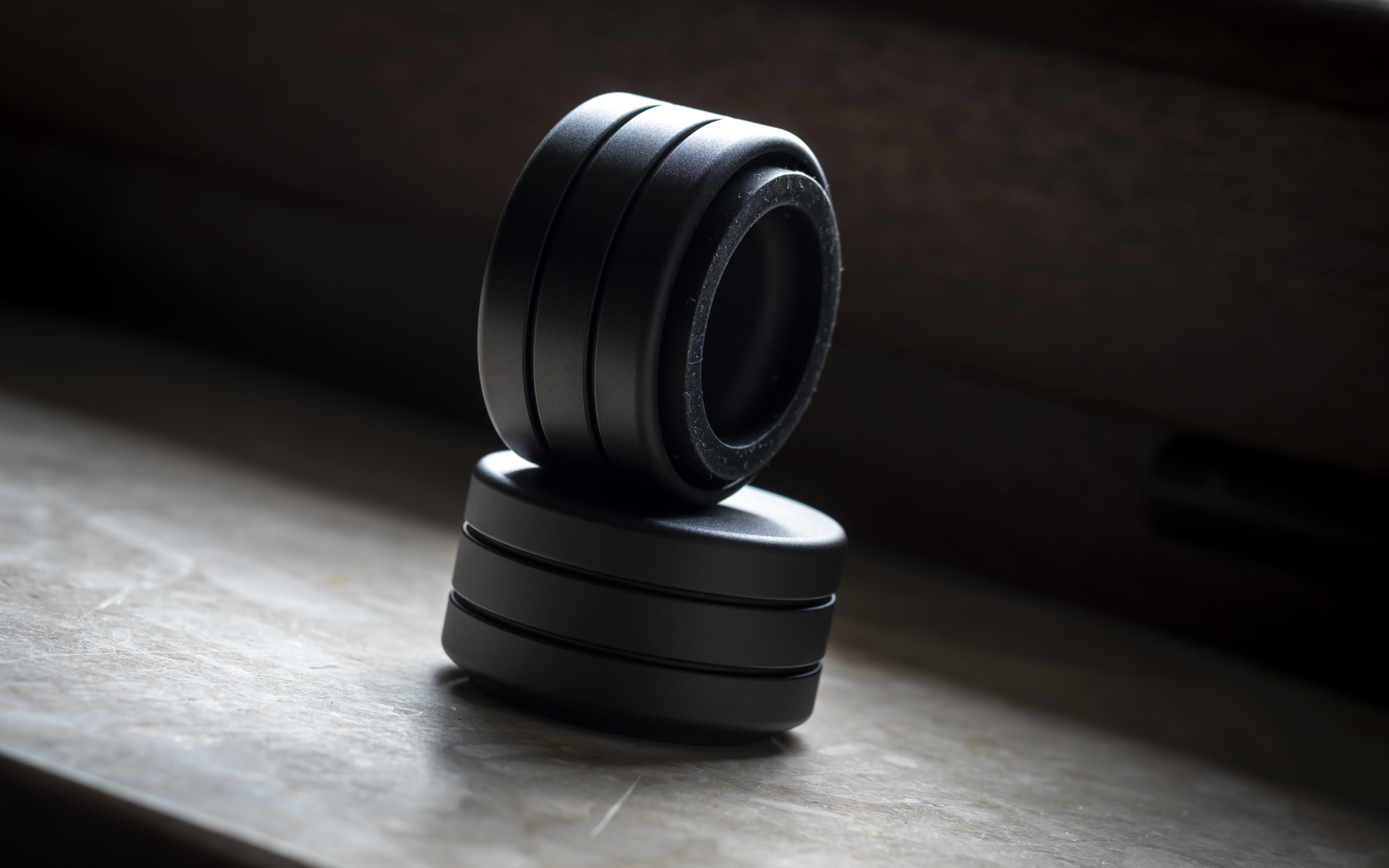
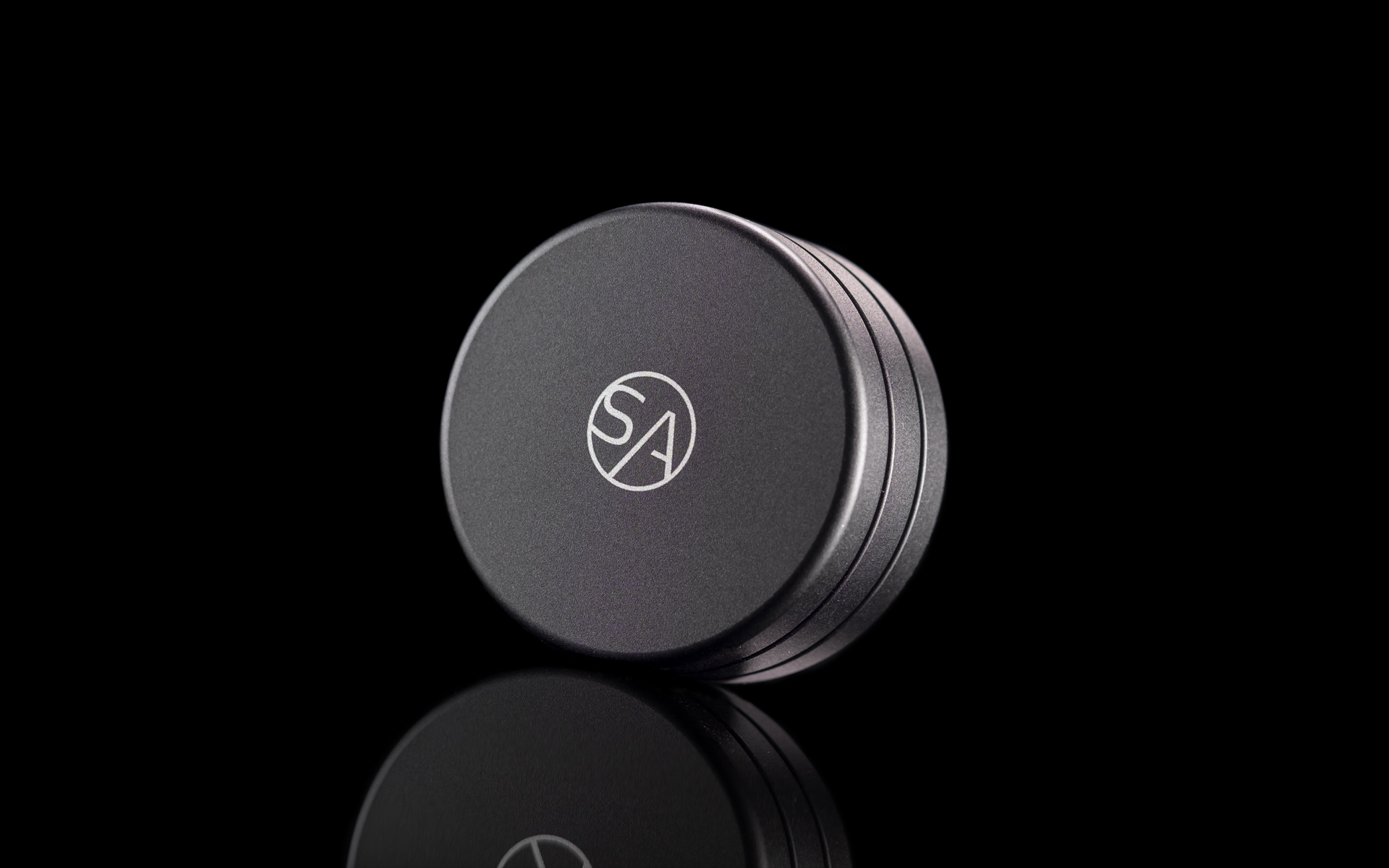
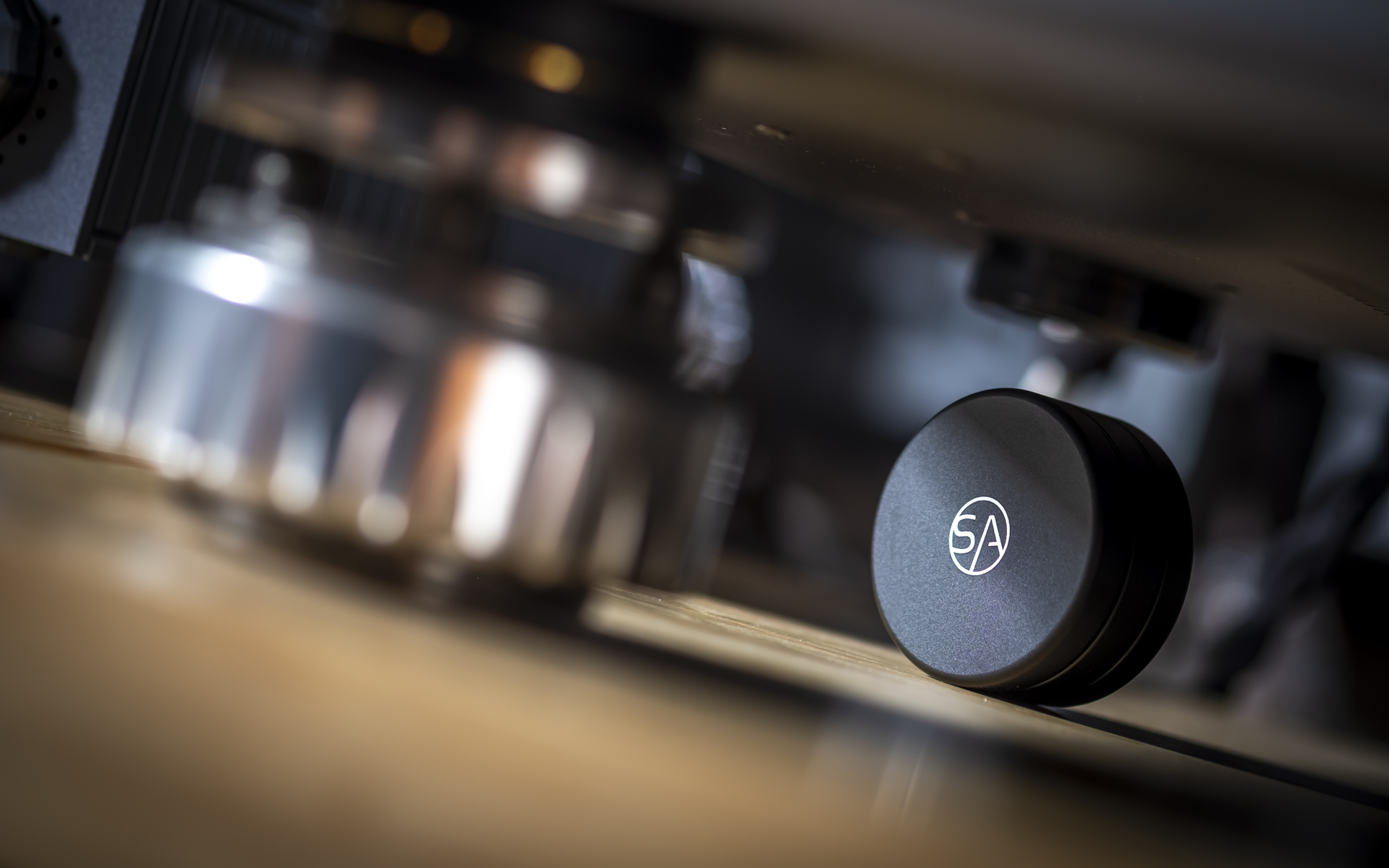
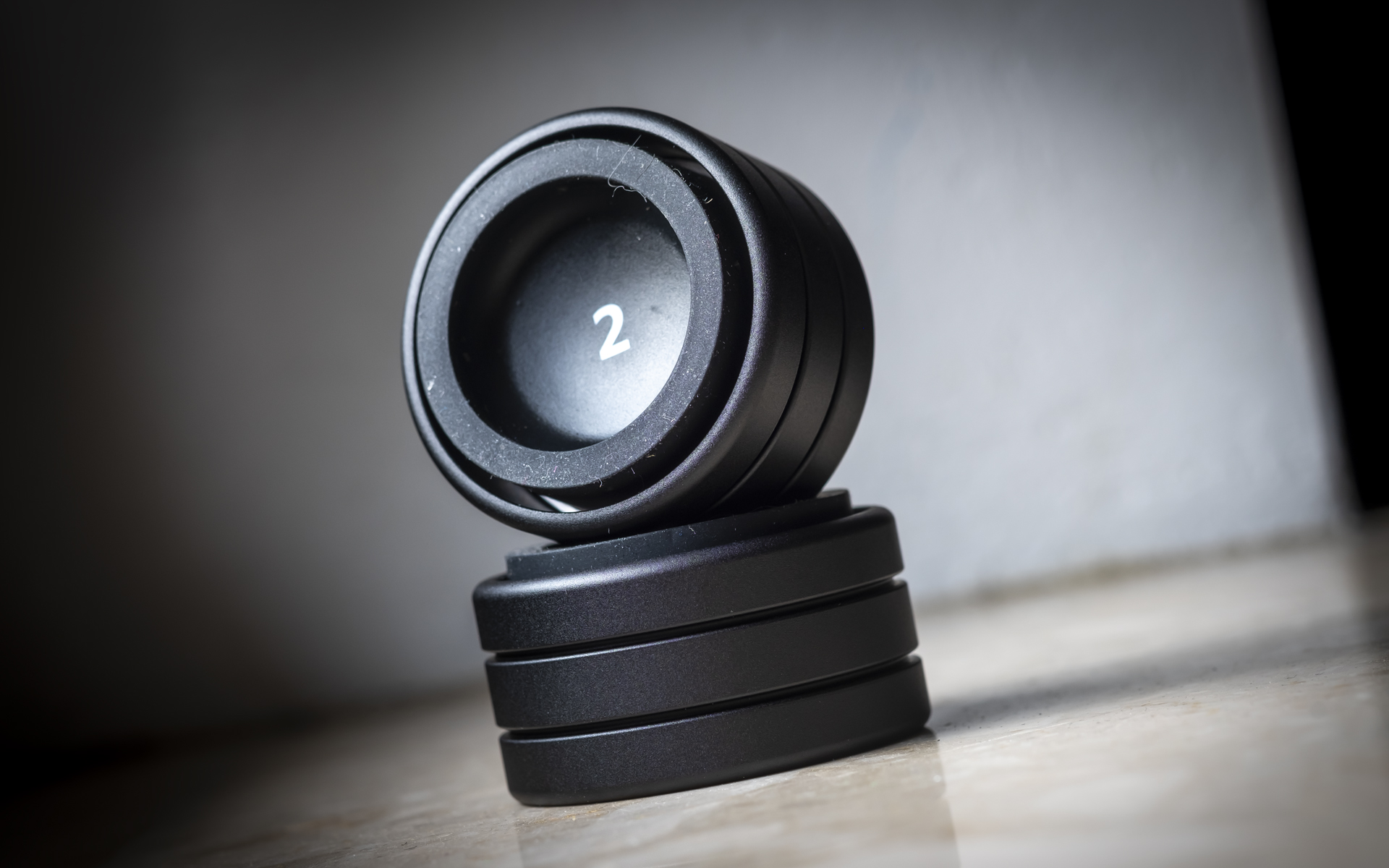
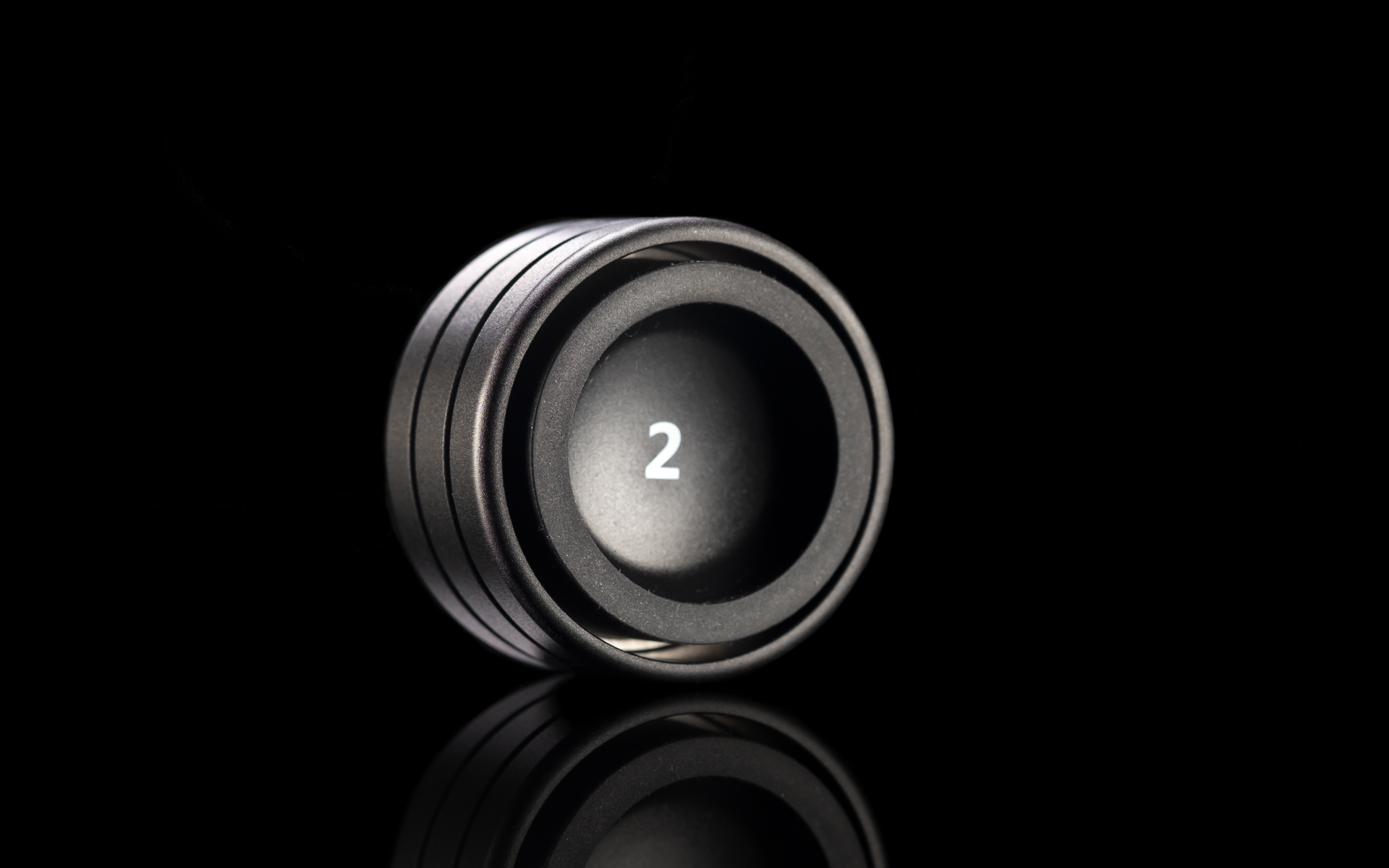
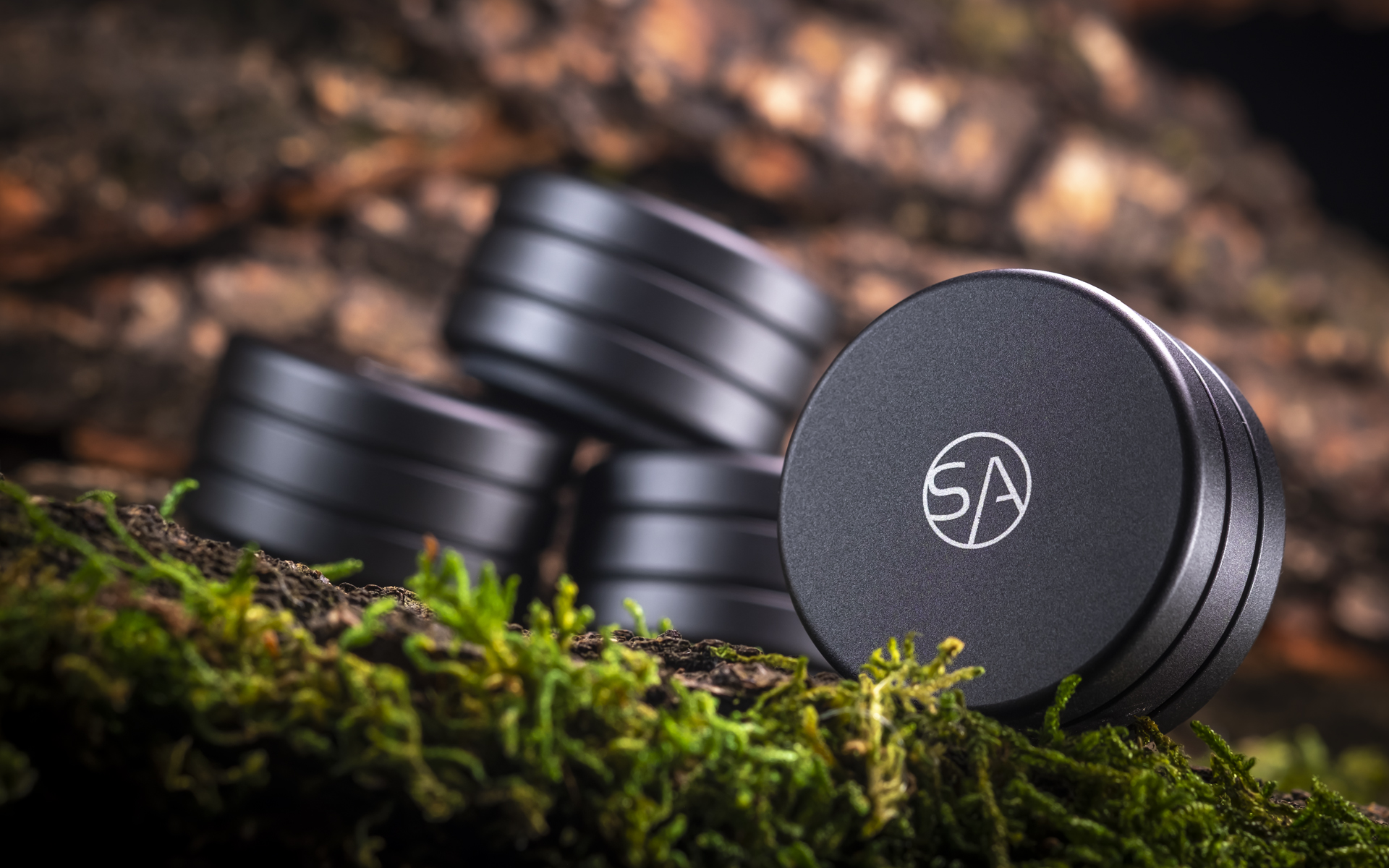
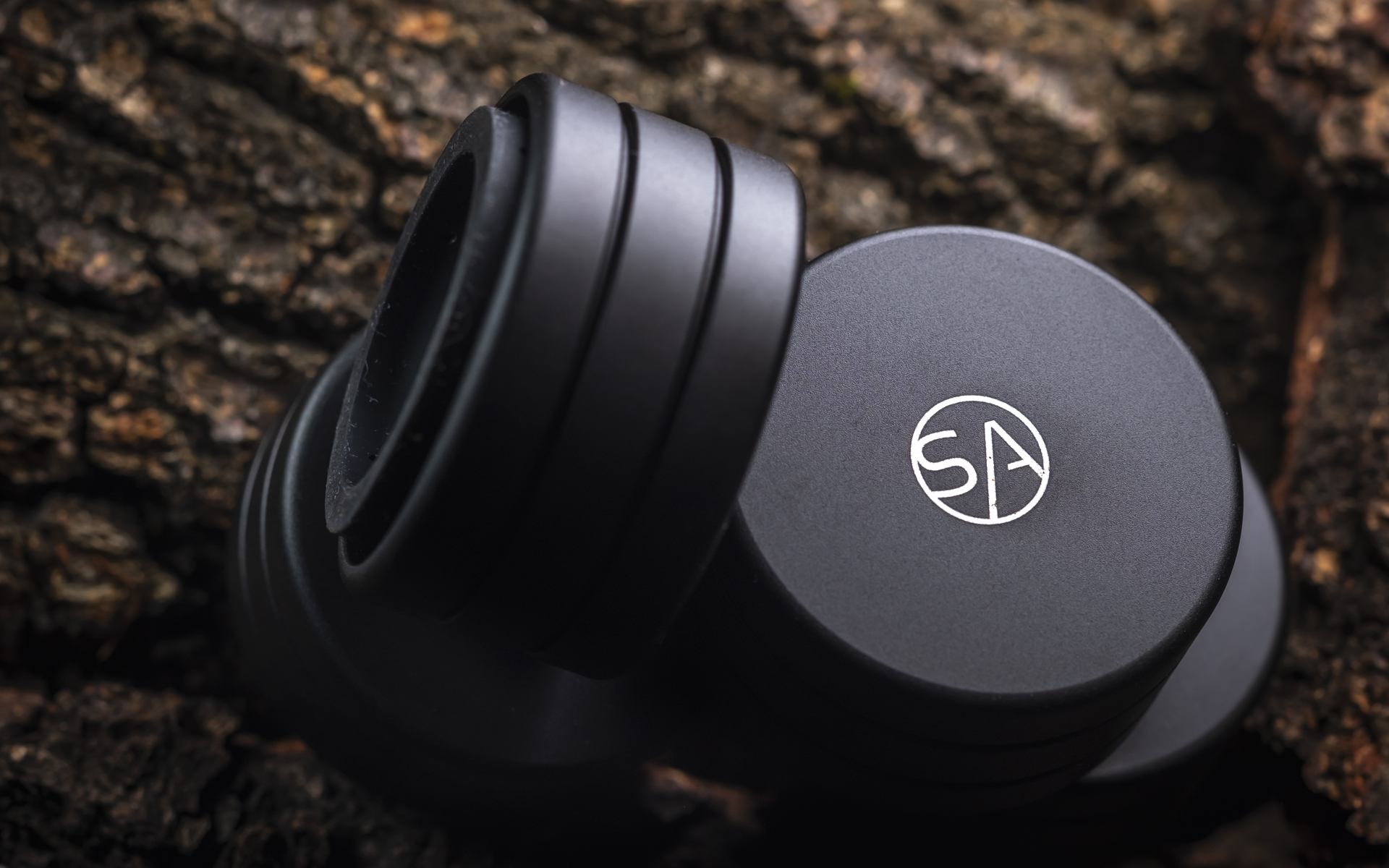
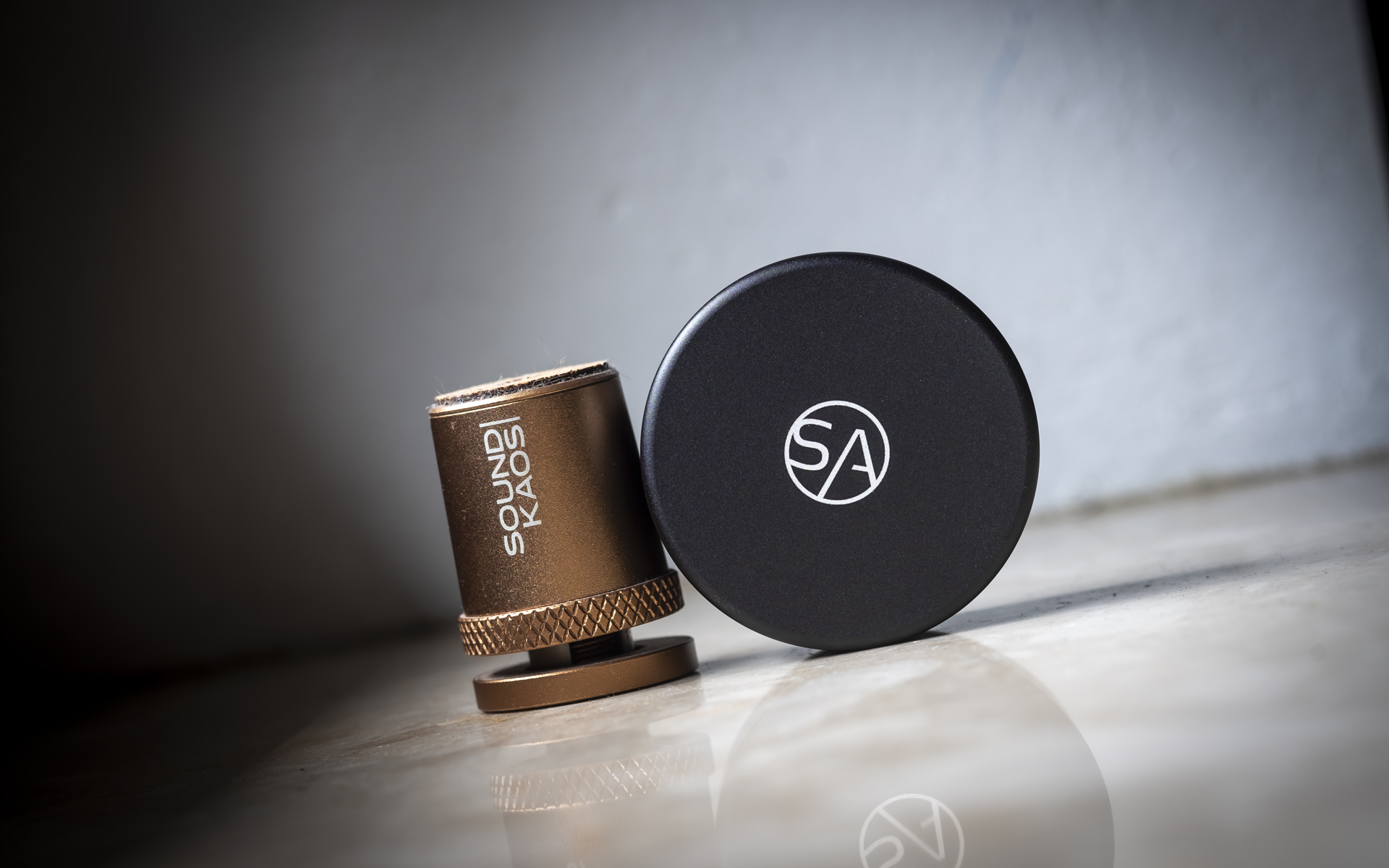
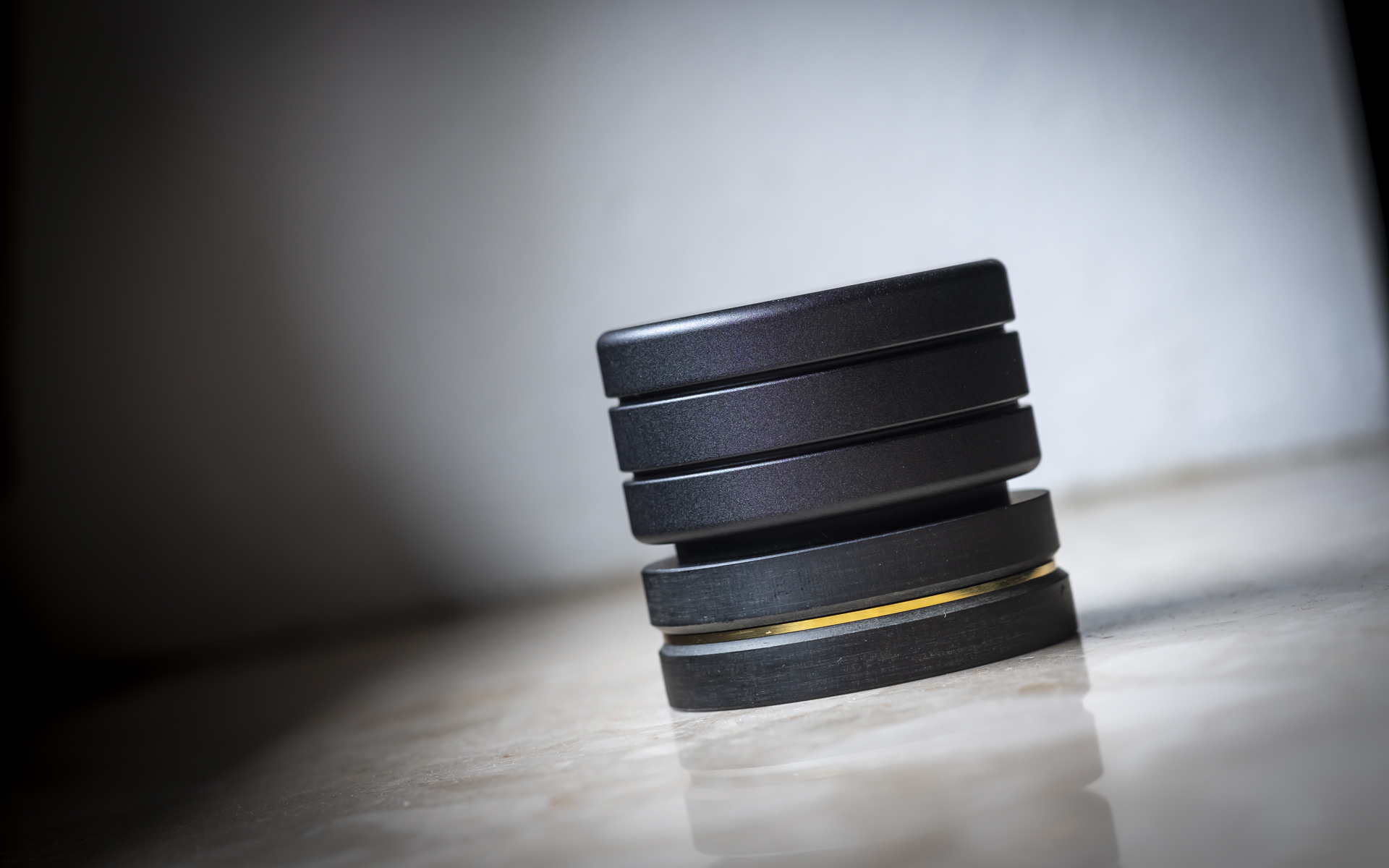
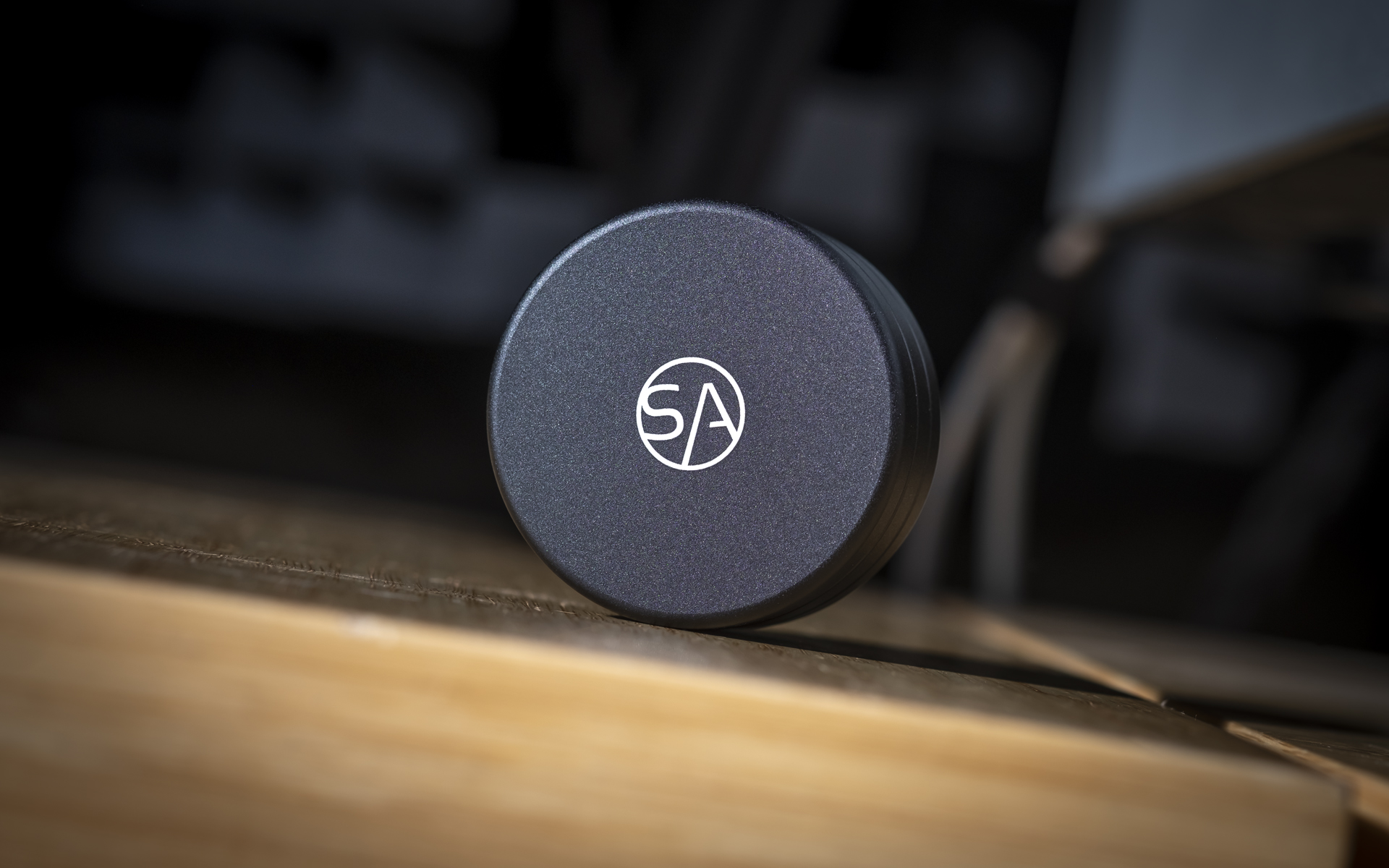
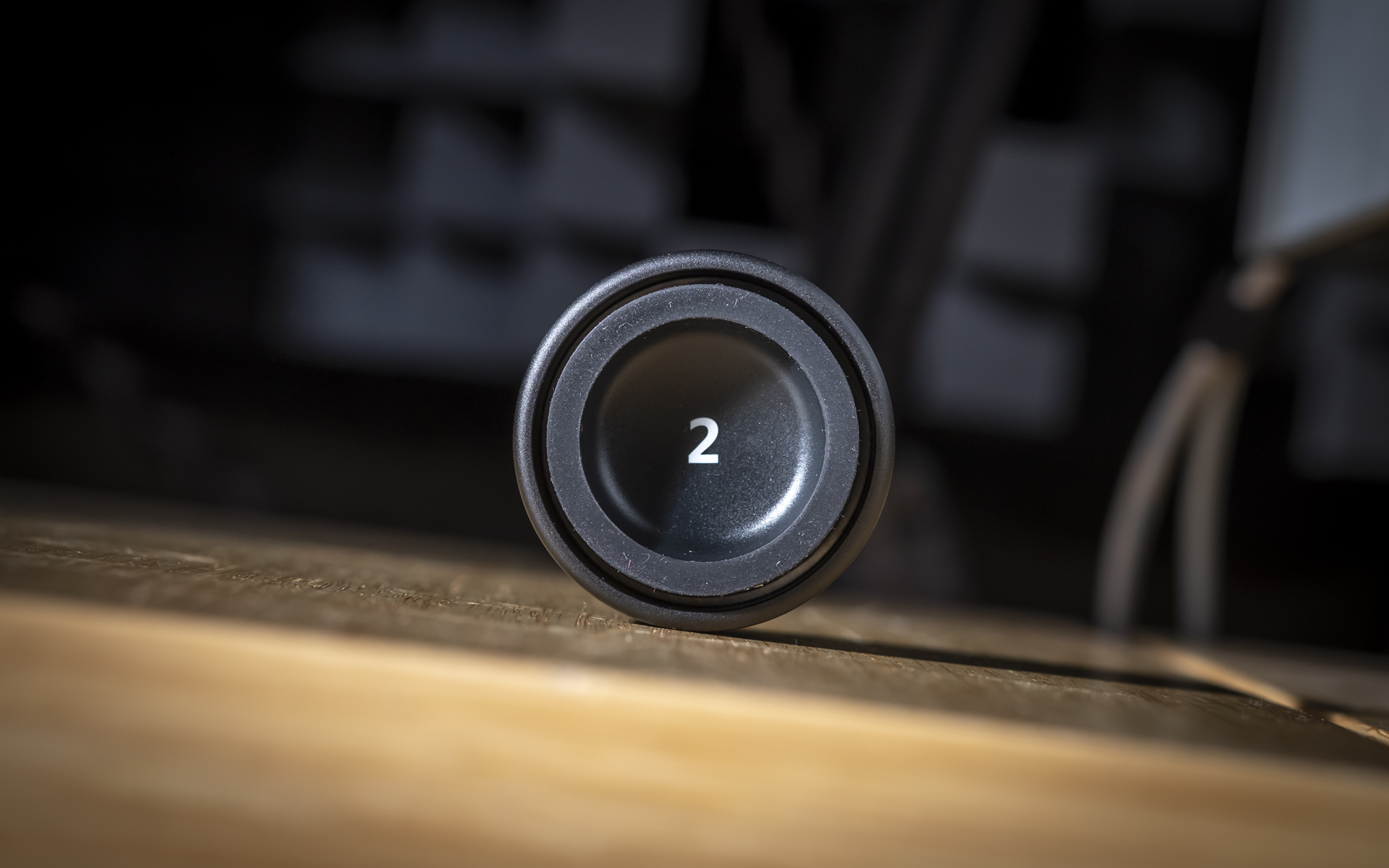
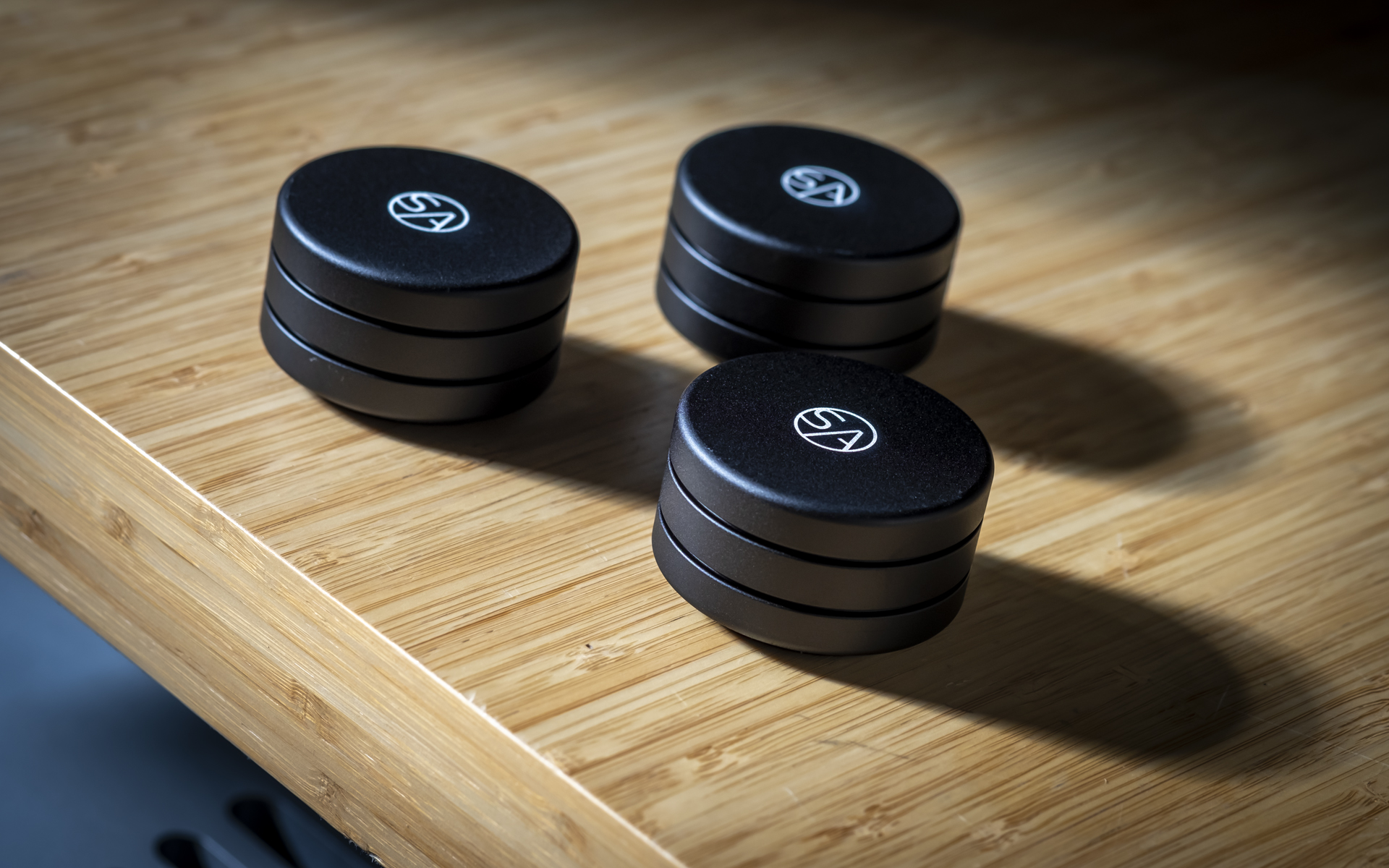
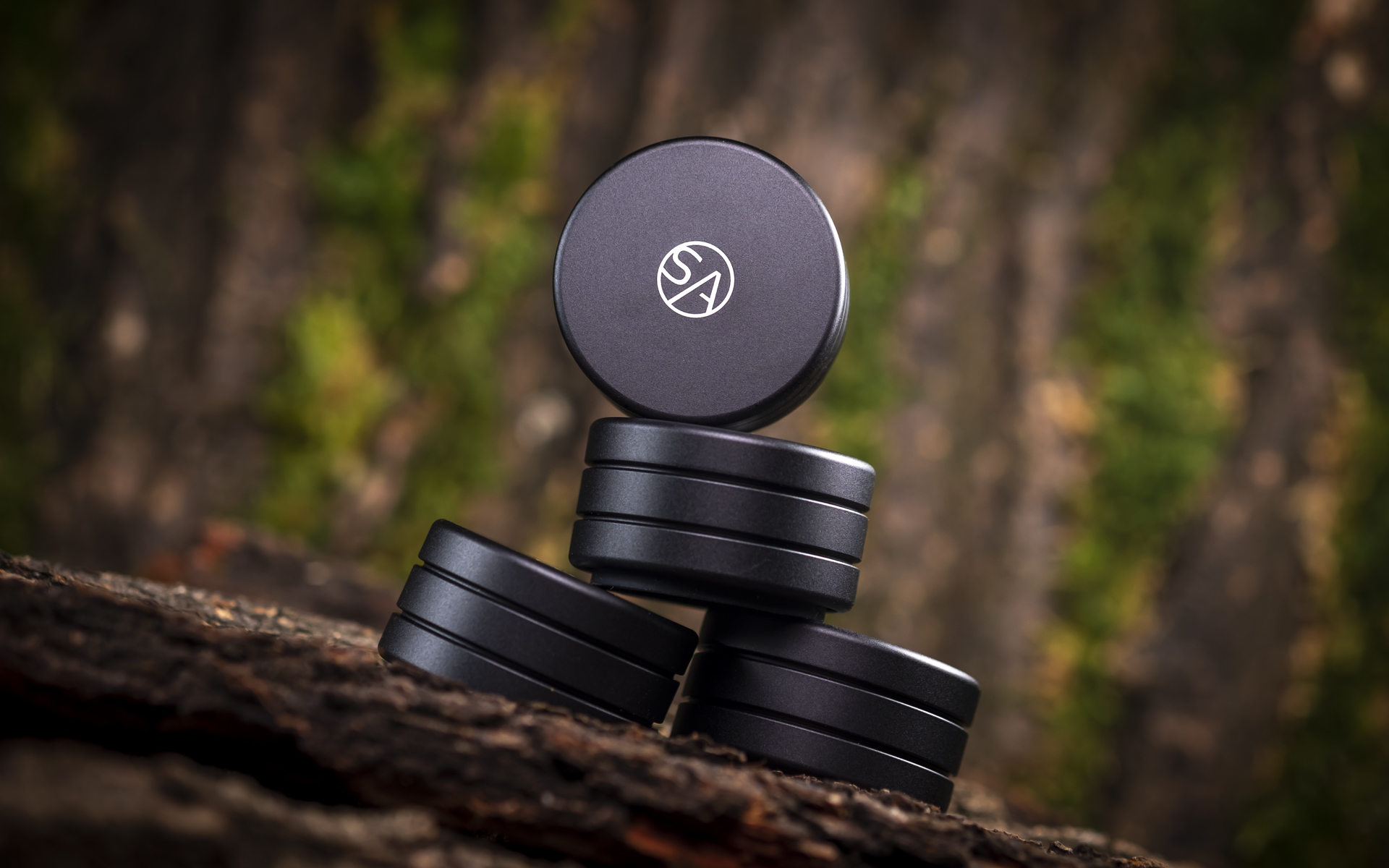
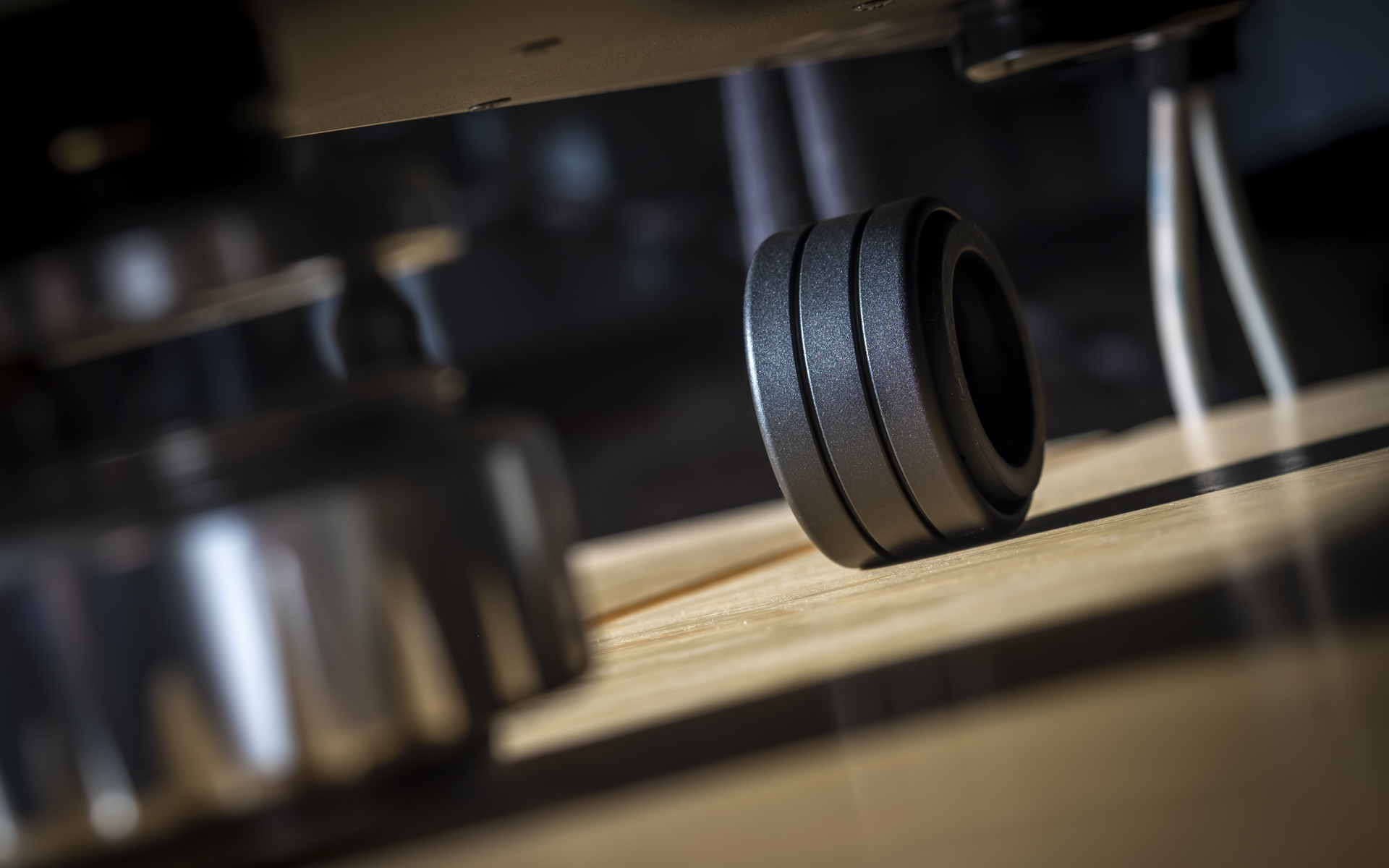
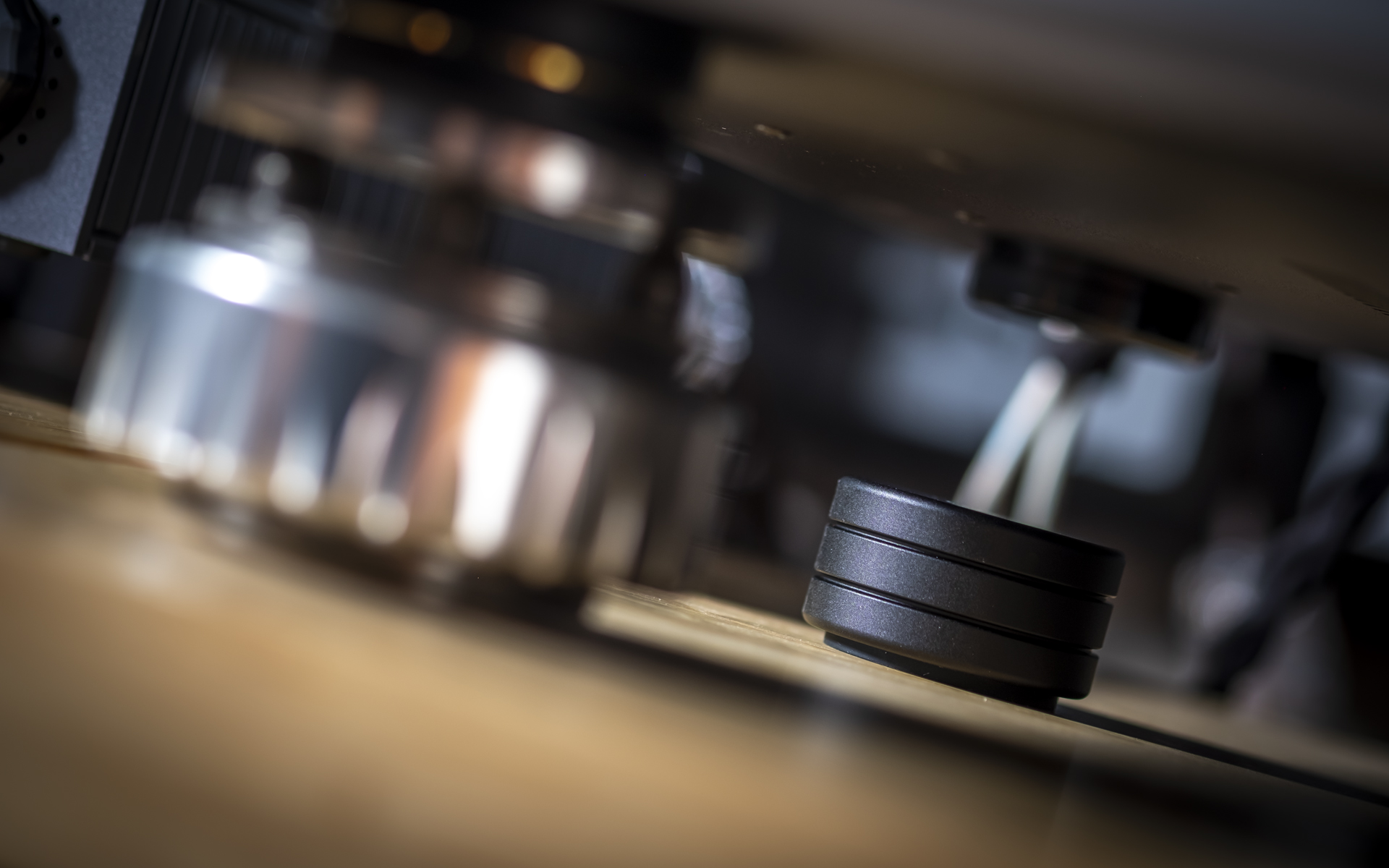
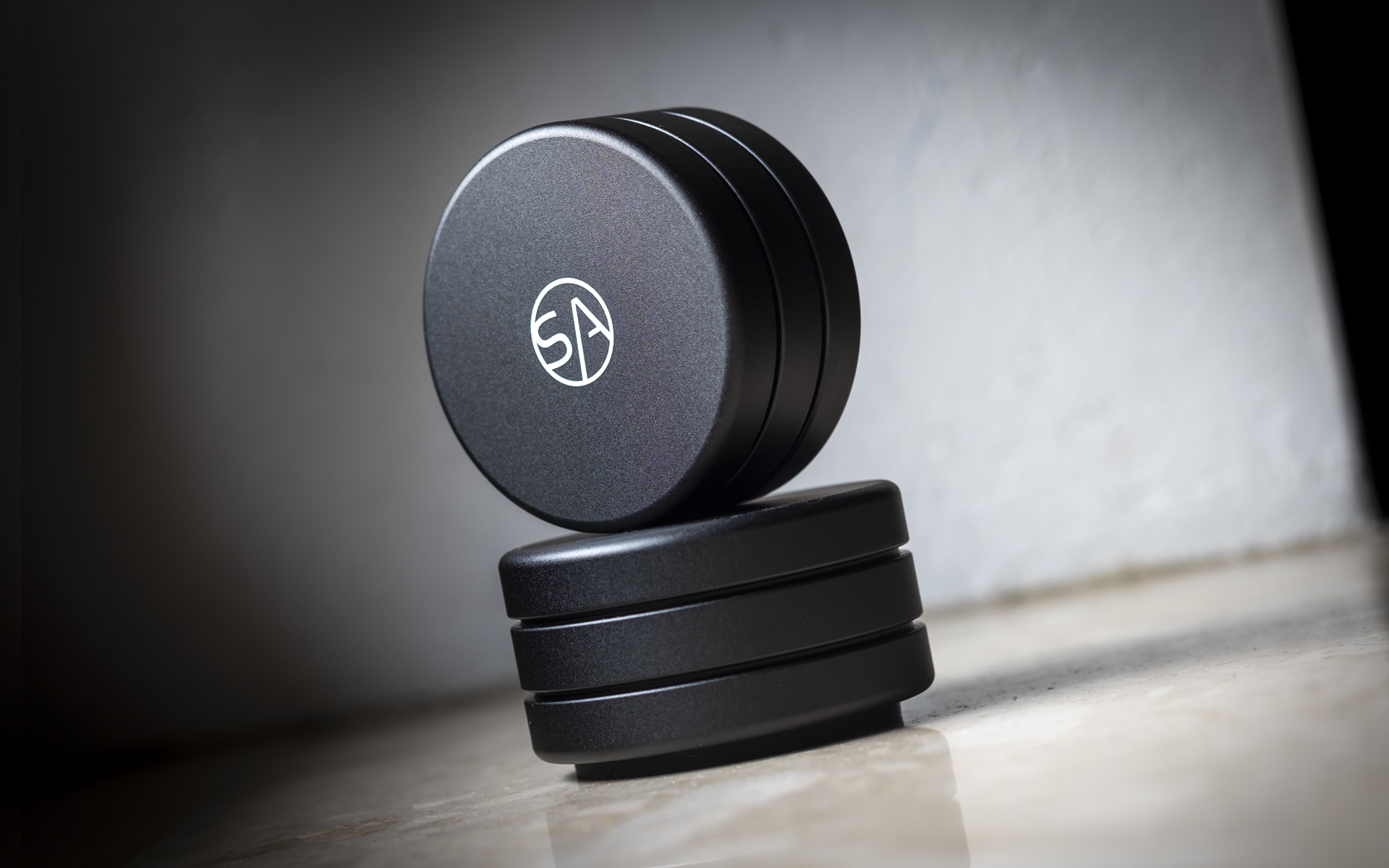
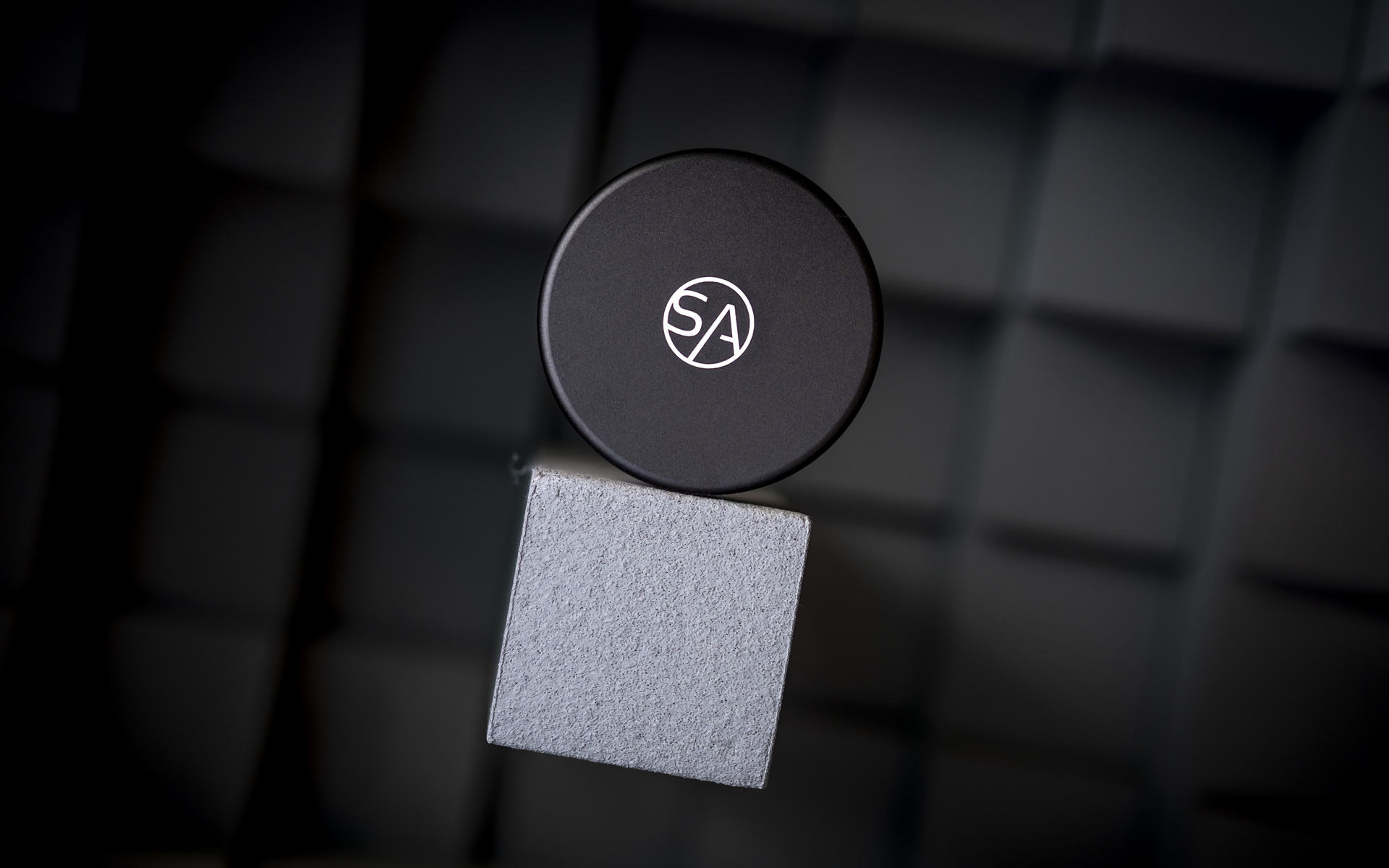
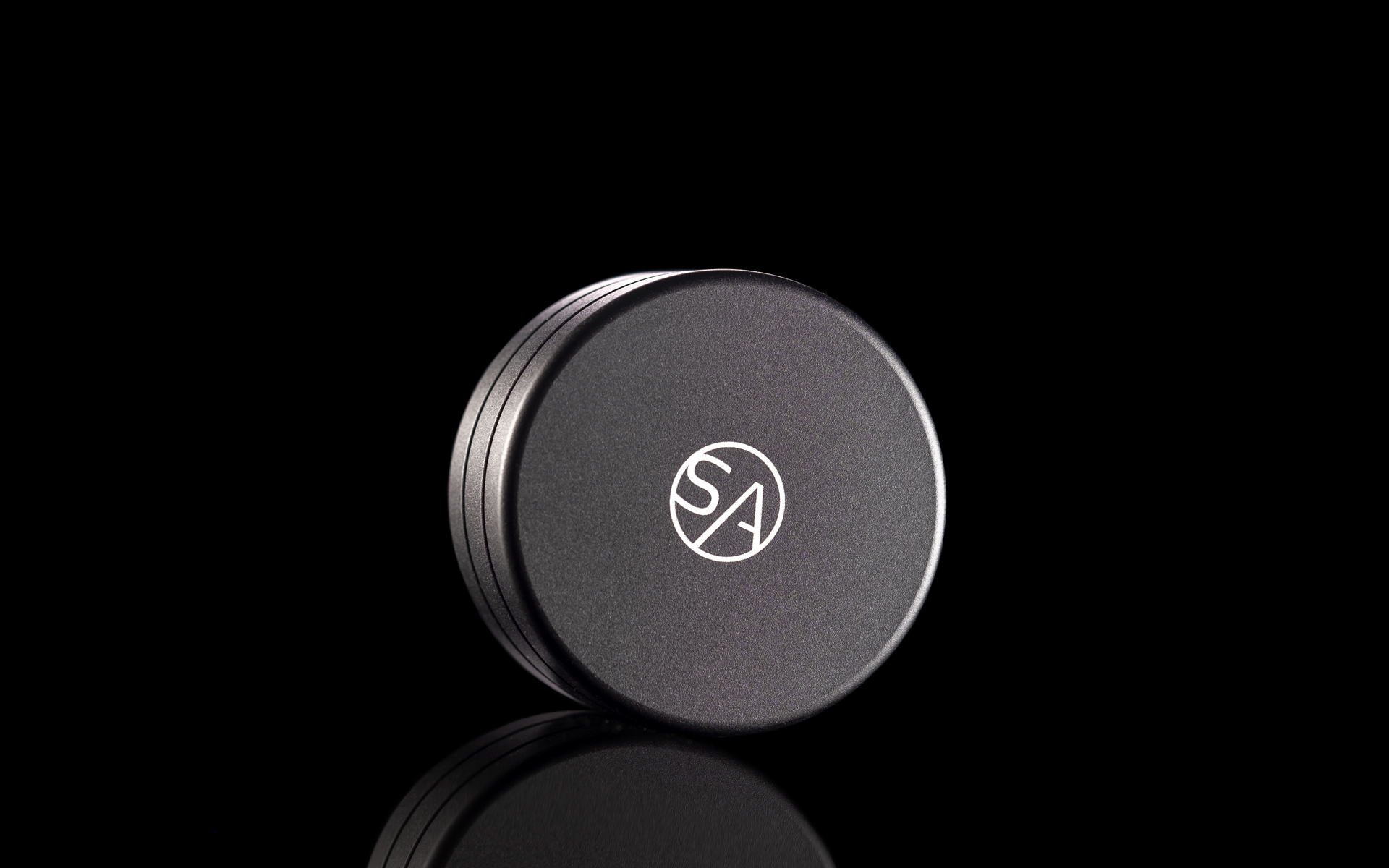
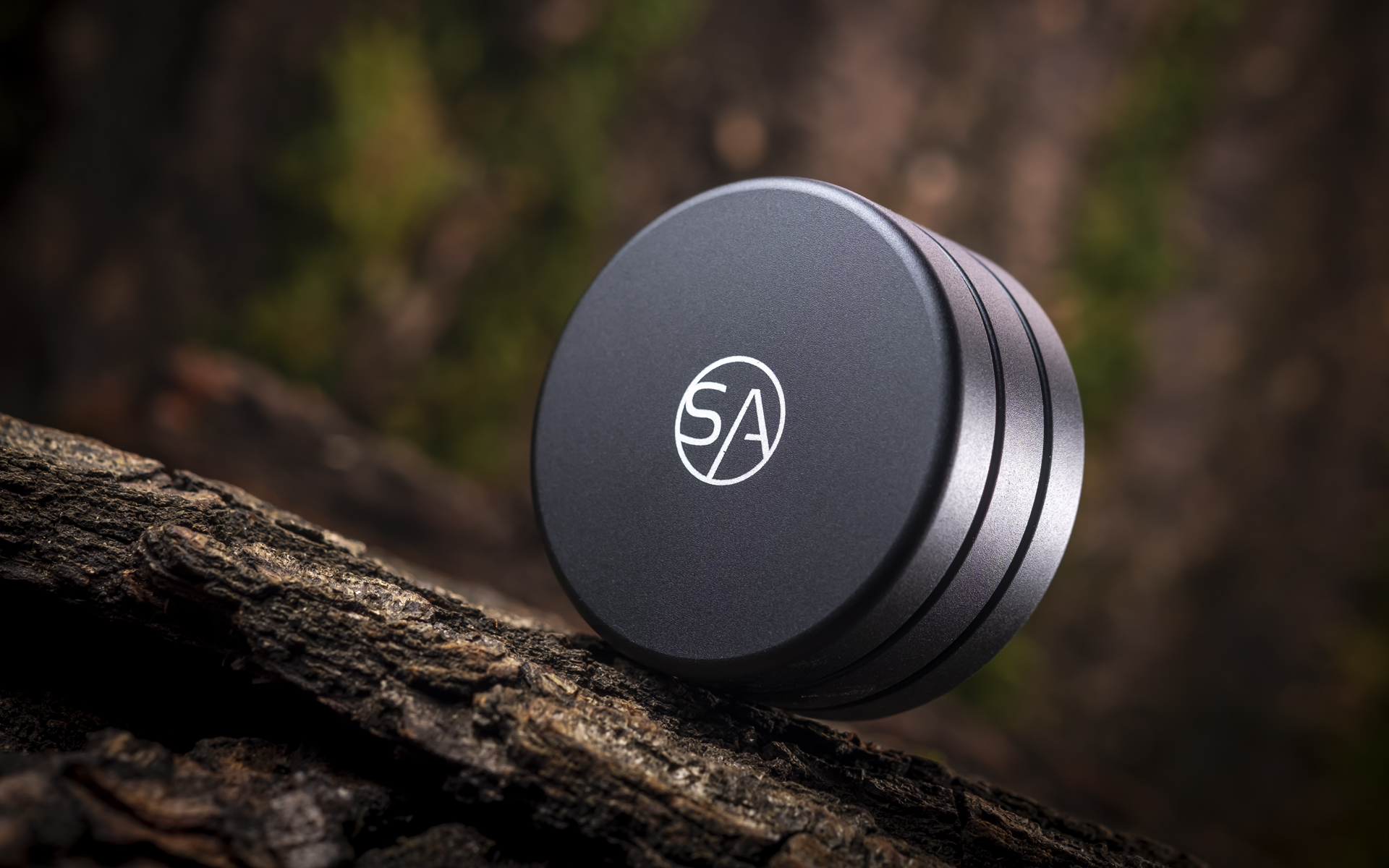
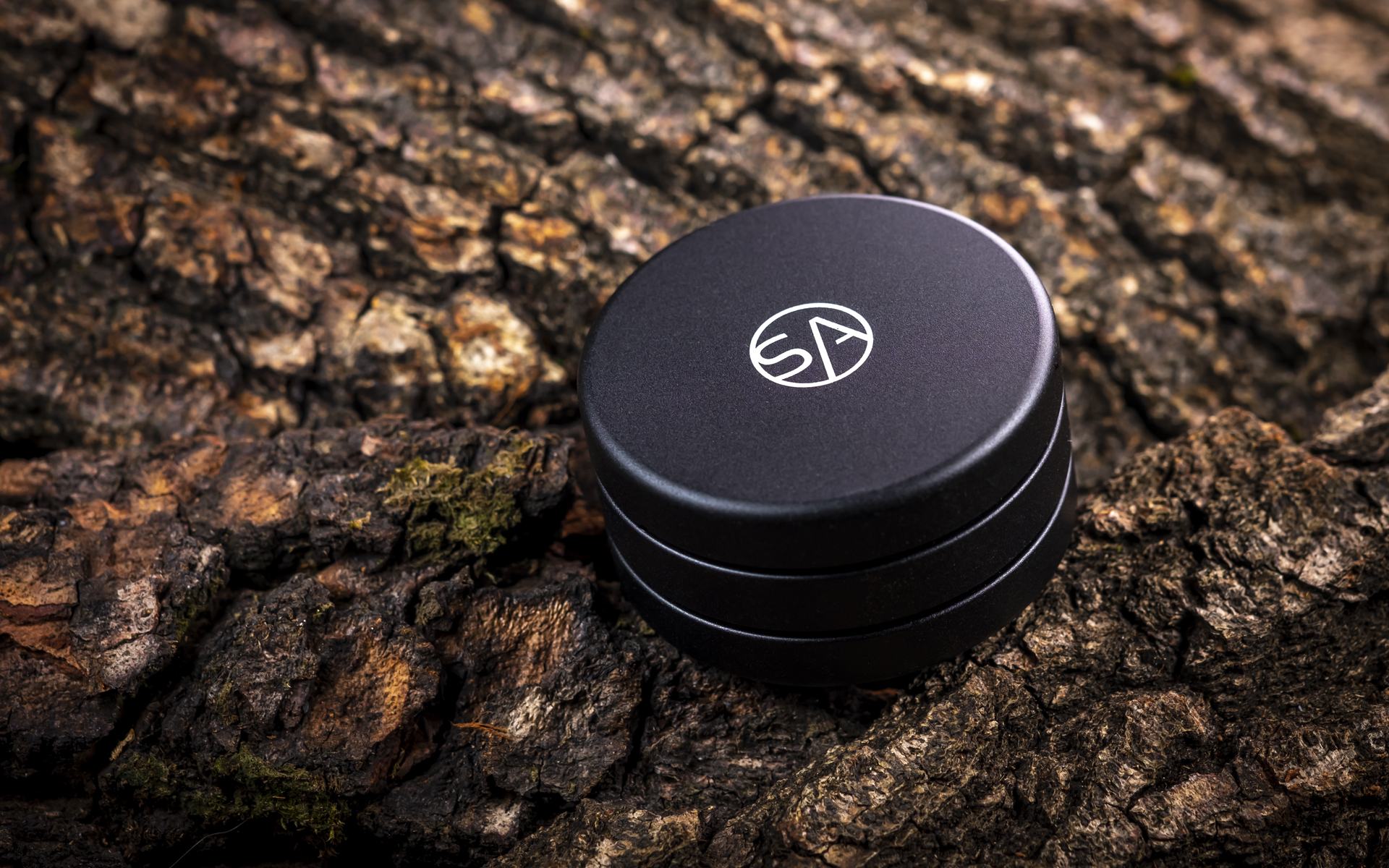 Visually, the Auva EQ closely mirrors its Auva 70 sibling. The finish is clean and understated, the machining precise, and the overall impression one of quiet luxury rather than showmanship. At just 50 by 28 millimeters (diameter by height), it’s also noticeably smaller to easily disappear under most electronics, yet solid enough to inspire trust. As such, today’s subject strikes a balance that’s easy to appreciate. There’s even a certain charm to its proportions—compact, purposeful, and yes, arguably a bit adorable. Ordering requires one simple but important decision: selecting the appropriate CSA insert. Stack Audio offers three variants, each tuned for a specific load range. CSA 1 handles 0 to 4 kilograms per footer, CSA 2 covers 4 to 10 kilograms, and CSA 3 extends that to 10 to 15 kilograms. In practice, this translates into straightforward math. A 25-kilogram component, for instance, would be well served by three Auva EQ units fitted with CSA 2 inserts. Since both my DAC and preamp fall squarely within that bracket, the review set arrived with CSA 2 pre-installed—ready to go without further guesswork.
 Pricing is equally sensible. A single Auva EQ retails at €64.07 with VAT included, which places a trio at €177.97. In the broader context of high-performance isolation devices, that positions it firmly on the accessible side of the spectrum. In fact, among all the solutions I’ve had on hand, it ranks as the second most affordable. On paper, then, the Auva EQ presents a compelling mix: a dual-stage approach that blends compliant absorption with particle-based dissipation, solid engineering wrapped in a petite and well-executed form, and pricing that doesn’t immediately raise eyebrows. The concept is sound, the execution is thoughtful, and expectations—given prior experience with the Auva 70—are anything but modest. The question now is whether this smaller, electronics-focused design can live up to its lineage.
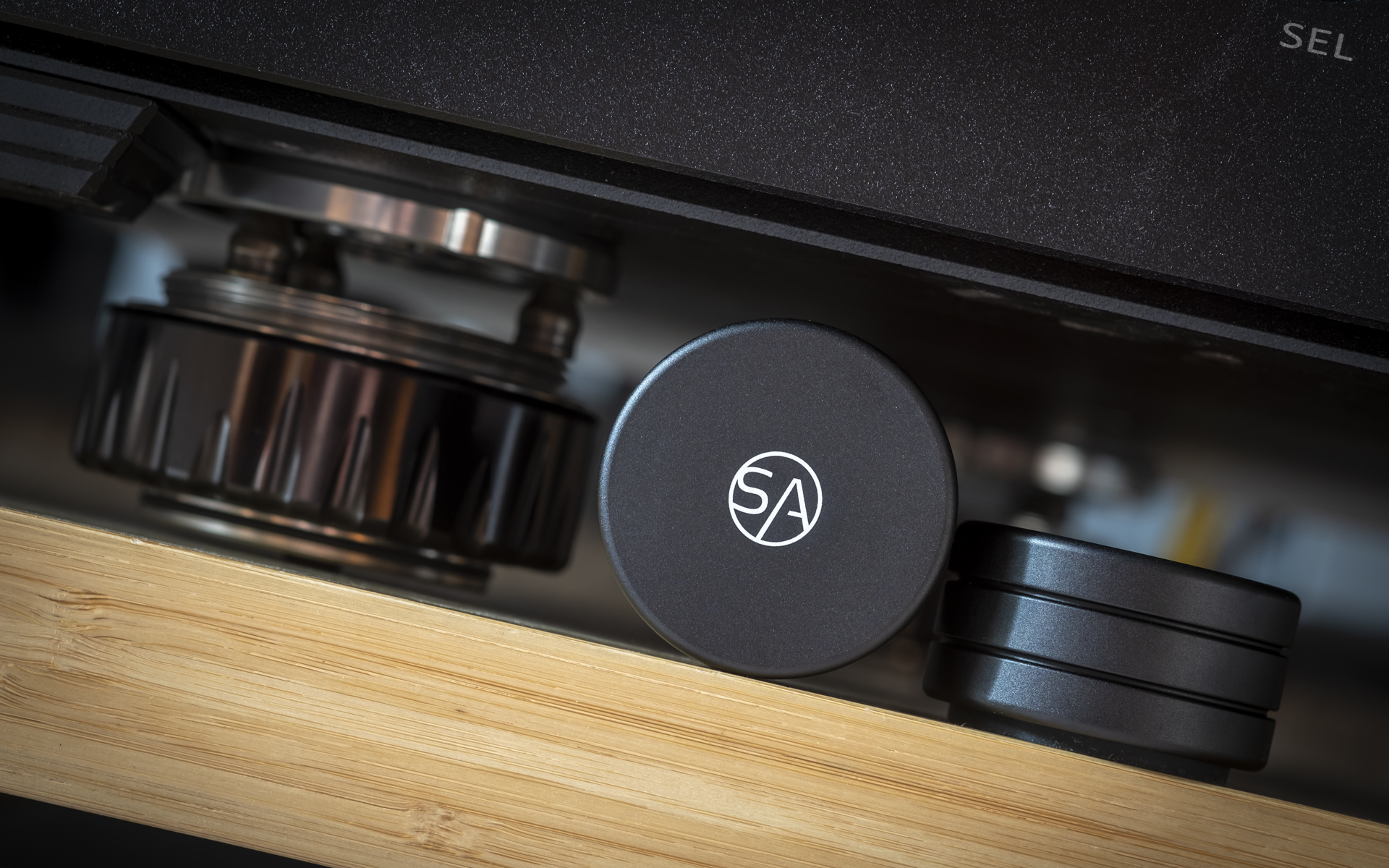
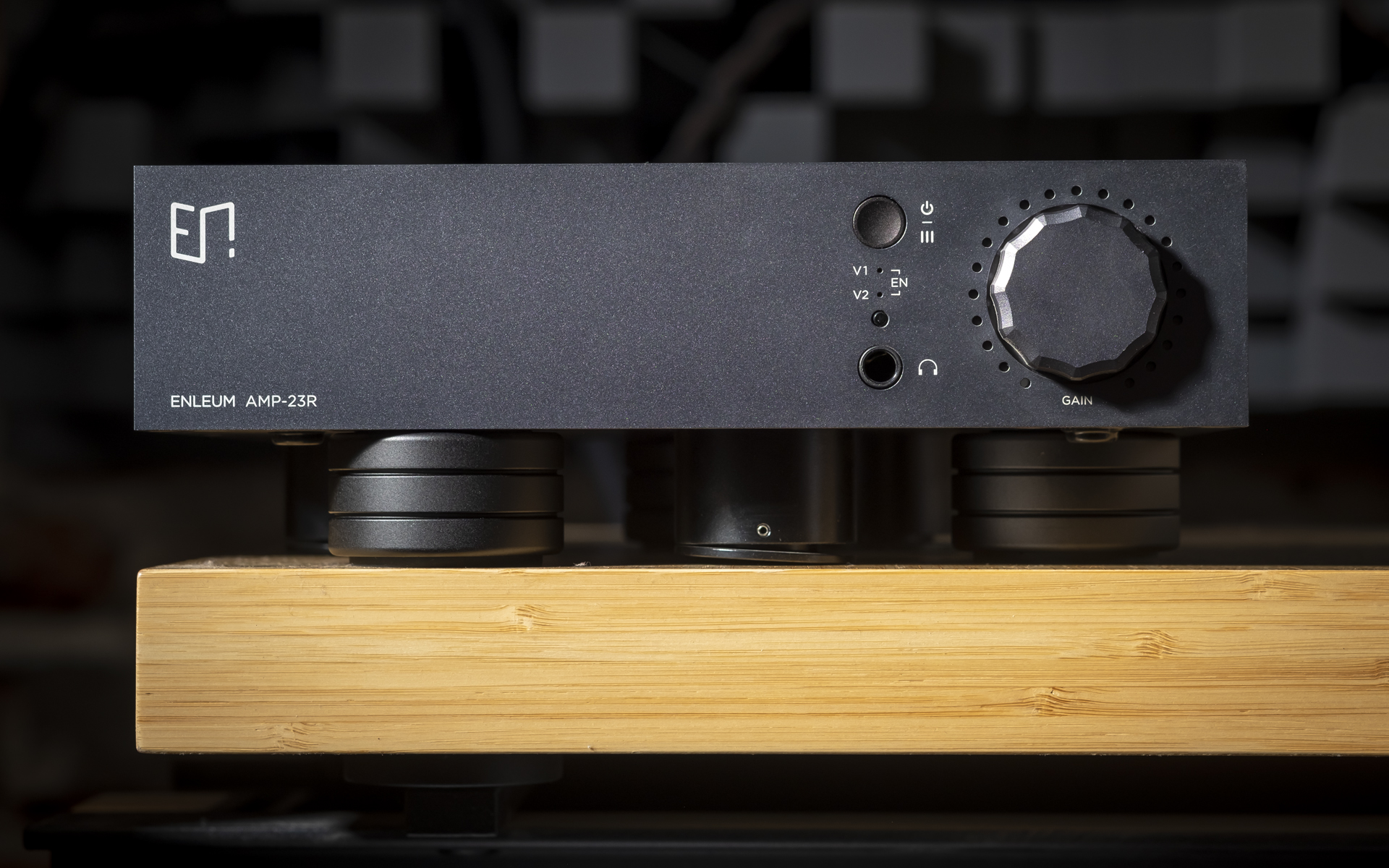
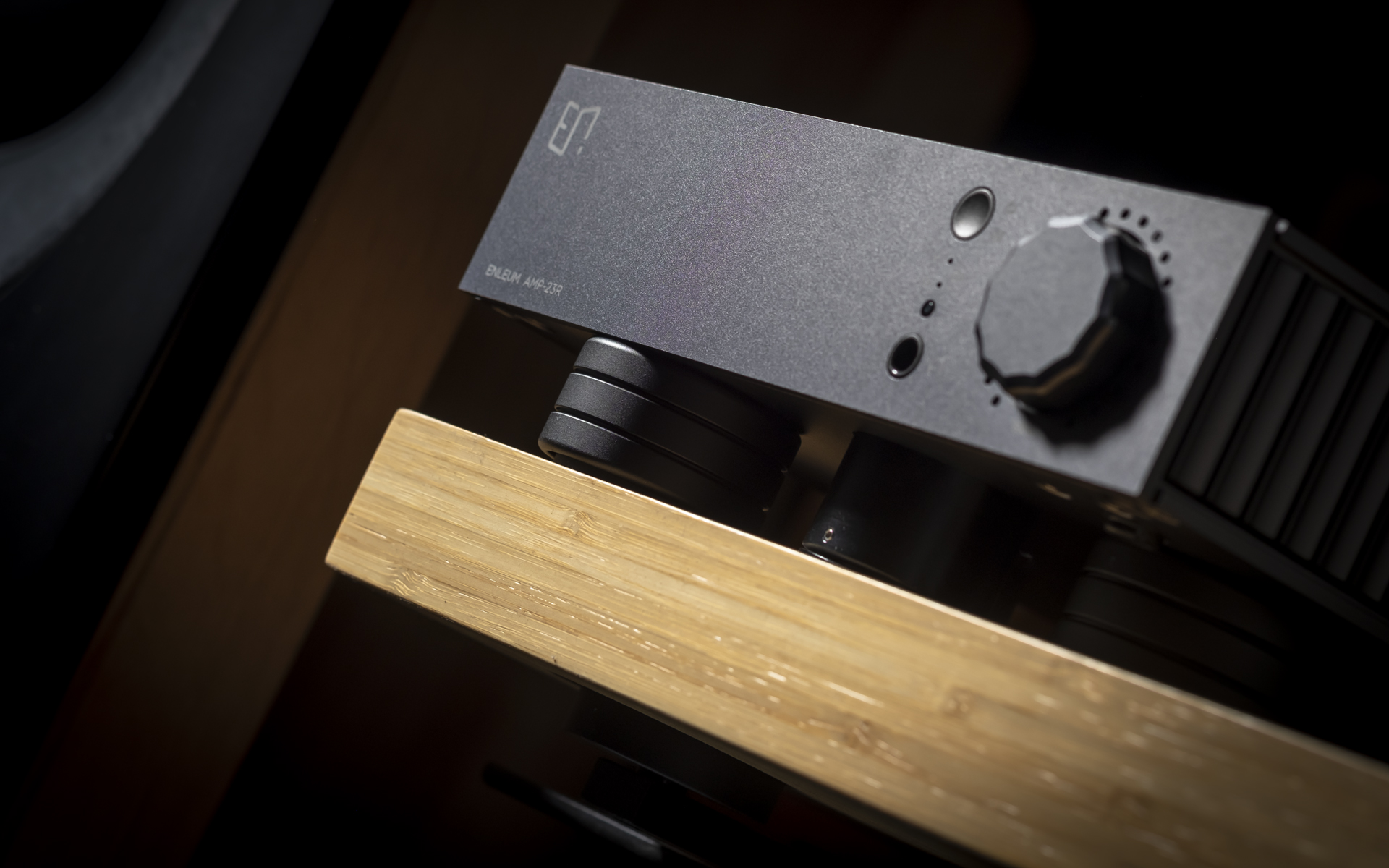
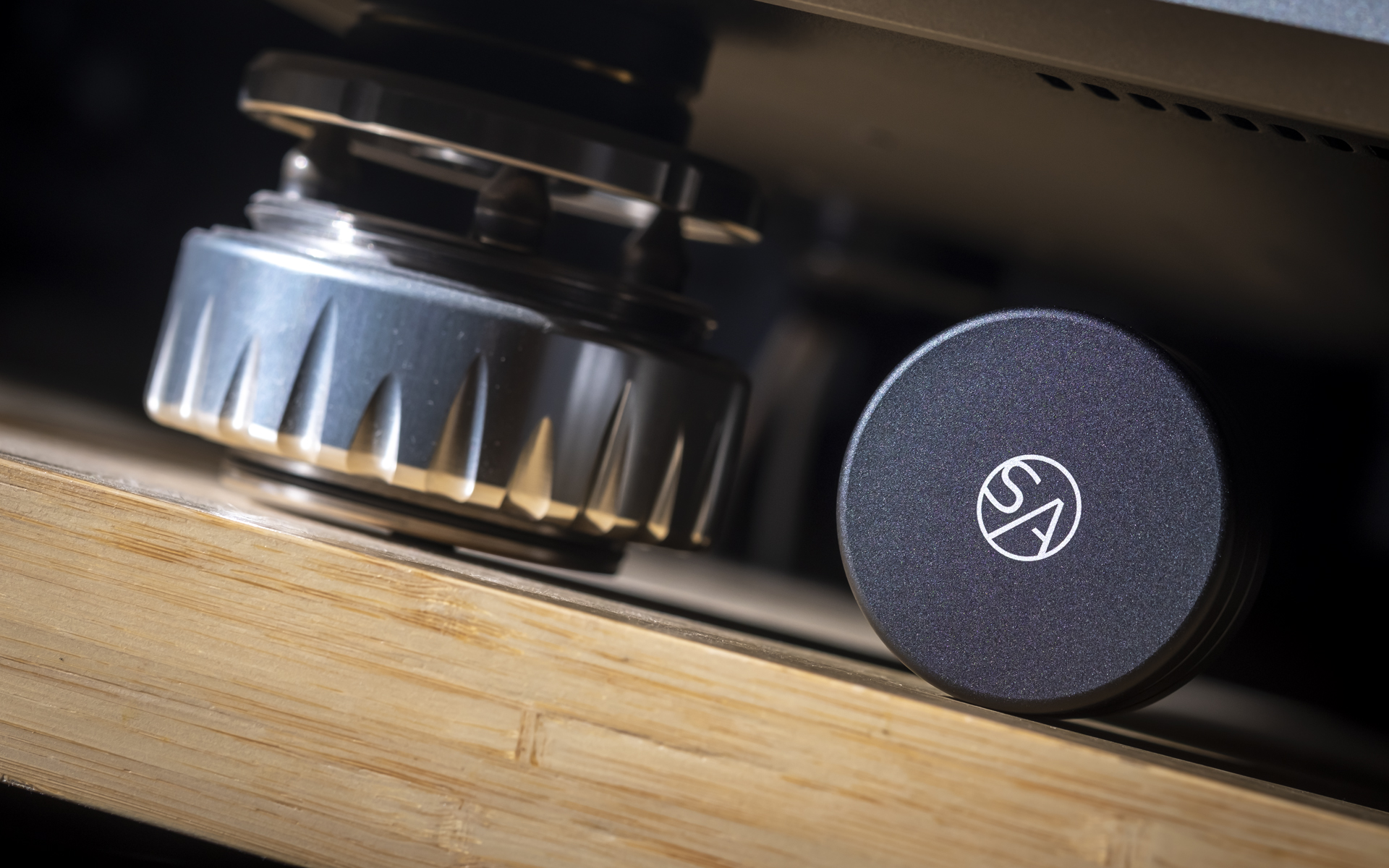
 The Auva EQ’s use case was effectively set in stone long before it even arrived. As an accessory intended for electronics, it had one obvious destination in my system: under the DAC and preamp. Simple, done, dusted. Before getting there, however, I opted for a quicker and far less involved detour. No point making life harder than it needs to be. Enter the Enleum AMP-23R, a compact integrated fitted with three neatly implemented South Korean Takt hard footers positioned at key points on its underside. Each of these stock cylinders houses a precisely machined, inverted spike concealed within its body, so the baseline here was already far from trivial. Swapping between them and the Auva EQ proved effortless and quick. As it turned out, the latter are just tall enough to fully disengage the Enleum’s built-in isolators once in place. Here it’s also worth noting that the thin silicone pads included with the Auva EQ come in handy with light and compact electronics such as the Enleum, ensuring the unit stays properly in place. With that groundwork covered, the Stack Audio footers then moved under my DAC first, and shortly after under the preamp, exactly as originally intended.
 Just to cover the basics, let me briefly outline what we can expect from a purpose-designed decoupling accessory. Early on, their presence often manifests as if the system’s volume was dialed back just a touch. What follows are easily traceable changes in the bass, which digs deeper and feels more agile, substantial, anchored, defined, controlled, elastic and dynamically more alert. Room talk—often perceived as hollowness or boom—drops noticeably. The entire perspective grows cleaner and more specific, while vocals and instruments, freed from excess grain and edginess, gain density, color, smoothness and articulation. The backdrop turns inkier and quieter, yet also richer in fine detail that becomes easier to track and focus on. The stage expands and gains complexity, while key images within it appear more focused, expressive and better contrasted. Many top-shelf anti-vibration accessories deliver these foundational qualities without obvious downsides or trade-offs. At that level, the key differentiator is typically effectiveness—the higher it is, the easier it becomes to register and appreciate the changes introduced.
 To cut with the suspense, the Auva EQ very quickly proved its high-tier efficiency and followed the protocol outlined above to a tee. Truth be told, I didn’t expect anything less. The “gotcha” moment, however, came when a trio of these went up against the Enleum’s stock Takt footers. This machine is quite special in that, while it looks and operates like an integrated, it’s in fact a stereo power amplifier with true variable gain and high output impedance. It’s also extremely resolving. While I genuinely enjoy what it does for my Vox monitors, its sound with them firmly leans toward the lighter, less grounded, well-illuminated side. I had long assumed that its 25wpc output was the reason. The same speakers, when driven by Trilogy 995R monos rated at twice that power in class A into the same load, sound noticeably earthier, fuller and weightier. In this context, the Auva EQ proved me wrong to a surprising extent. The difference between these footers and the Enleum’s stock pucks was, quite simply, hilariously large. Gotcha indeed.
 The list of gains upon positioning the Enleum atop the Auva EQ ranged from tauter, firmer, more composed and more powerful bass to greater heft across the entire audible bandwidth. A more authoritative, sonorous and fluid presentation followed, alongside higher color intensity, with key images gaining weight, presence and substance. The overall aesthetic remained exceptionally fresh as per usual, albeit without the familiar thinness and iciness. Put simply, if the Vox monitors fronted by the AMP-23R on stock footers felt somewhat nervous and anemic, with the Auva EQ in play that sensation largely evaporated. Interestingly, the result also came across as quicker and more precise than before, most likely due to the noticeably higher level of perceived control. To be clear, the Enleum’s core character—built around lucidity, zest, radiance, air and insight—remained fully intact; nothing got lost in translation. As I see it, spending €180 on three well-matched resonance control accessories to improve its behavior this significantly is a very solid ROI.
 Since the Enleum can also easily accommodate three Vibra 68 pucks underneath, the Auva EQ had to spar with them as well. While both footer sets proved broadly alike in terms of overall composure, perceived bass punch and dynamic span, the AMP-23R atop the Swiss devices sounded a touch denser, more grounded and slightly less specific in how it outlined individual sounds. That difference, while not night-and-day, was consistent enough to notice across a wide range of material. It once again confirmed that wire suspension tends to trade some insight and fine image contour for a presentation that feels more picturesque, saturated and less surgical. Importantly, neither approach upset the tonal balance nor introduced any obvious downsides—they simply prioritized different aspects of the same performance envelope. Fair enough—adjust to taste and enjoy. All in all, on the efficacy scale alone, I’d rate the Vibra 68 and Auva EQ as essentially on par.
 When the time came for the Auva EQ to compete against the Diamond-tier Carbide Base Micros with TwinDamp inserts under my DAC, the kind of shift that occurred was similar to the one just described, only reversed. Moving from my reference Carbide pucks to Auva resulted in a presentation that was rounder, less incisive, and not quite as tight or spicy. This was also expected. My general impression of the Base Micro footers is that they steer my DAC’s profile heavily toward extreme clarity, a wide contrast ratio, off-the-charts dynamic span, high oxygenation, and the sheer scale and intensity that follow. Meanwhile, a trio of Auva EQs under this fancy, tube-infused machine shifted its behavior toward noticeably greater heft, a more copper-toned palette and priority placed on the space between the speakers for a more intimate on-stage feel. Just as the Vibra 68 proved more painterly under my amplifier of choice, the Auva EQ followed suit with my DAC atop.
 Perhaps the essence of the Auva EQ’s behavior under my DAC lies in the fact that it incorporates an inherently lossy silicone component. Hard to say. That line of thinking holds only if we assume that compliance favors weight and anchoring, while hardness excels at definition, control and contrast. No matter. What matters most is what happens when the Auva EQ is removed from under the Lampizator DAC and the unit returns to its stock supports. Ouch. Something is clearly missing—and quite badly. In that context, it matters little whether this outstanding DAC sits on Carbide or Stack Audio footers, as both are highly effective at significantly elevating its performance. Ultimately, it comes down to preference. I personally nod toward the Carbide pucks with this particular hardware, as they further enhance its already outrageously developed athletic traits and deliver that extreme level of intensity I happen to crave. Personal bias is a thing.
 On that note, the recently discovered acoustic version of “Sanctified”, originally by Nine Inch Nails, served as a timely reminder. With the Base Micros on duty under my DAC, the acoustic guitars on that track appeared larger, while the female vocalist moved perceptibly closer to the microphone and gained in definition compared to when the Auva EQ was in use. I found this spatially bold approach to a NIN classic, executed in acoustic form, particularly appealing, largely because for many years I used Lampizator DACs built around directly heated triodes that specialized in projecting a forward, intimate and vividly outlined front plane. That’s exactly why I gravitate toward the Base Micros—their behavior leans in that same direction. As far as the space between the speakers is concerned, in terms of precision, scale and that enveloping, monumental presence, I rate them higher than any other footer in my possession. That, however, doesn’t steal the Auva EQ’s thunder. Not in the slightest.
 To me, the Base Micro footer in its dearest form, priced at €475 per unit, is a textbook “hard” solution that excels at what it does—and that’s exactly what we pay for. In my roster, above it sits probably only the Ansuz Z3W, which sells for €3,500… per piece. A component needs at least three, so the math is, well, what it is. What’s striking about the Auva EQs, however, is just how much they do for a fraction of the Base Micro’s asking price. Today’s set offers a noticeably different sonic profile, and in terms of outright athleticism my reference pucks still hold the upper hand. Then again, for the cost of one such setup, one could buy eight Auva EQ sets, distribute them across as many components and ultimately secure a far greater overall improvement. Perspective matters. Mine certainly shifted—particularly in the more affordable domain—courtesy of the recently reviewed Vibron and now the Auva EQ. With that much ground covered, there’s little point in detailing how this design fared under my preamp. I’d largely repeat myself, and this story is already long enough, so let’s wrap.
In my Auva 70 summary I noted how that design proved a top-tier resonance control device doesn’t need lateral play to get the job done. The Auva EQ now adds a neat twist to that lesson. As someone firmly in the “hard” camp, I didn’t expect compliance to make such a compelling case for itself—but here we are. On mechanical and visual elegance, robustness and overall competence, this is a highly accomplished effort poised to shake up the price-performance logic in the anti-vibration scene. Considering how the Auva EQ behaves under electronics—and how effective it is in that role—the asking sum feels almost like a misprint. What these petite stunners do there simply feels far too substantial for the outlay involved, and that, to me, is the best thing about them. While evaluating these, I found myself returning often to IDLES’ “Dancer”, and when the chorus goes “Collide us while we work it out”, I couldn’t help but picture their internal particles atop a silicone bed taking it personally and doing exactly that—quietly, relentlessly, and very much to our benefit.
Associated Equipment:
- Amplifier: Trilogy 995R, FirstWatt F7, Enleum AMP-23R
- DAC: LampizatOr Horizon360 (Stradi 5U4G + Psvane Summit 4x KT88 / 2x 6SN7)
- Speakers: Boenicke Audio W11 SE+, sound|kaos Vox 3afw
- Transport: Innuos Statement, fidata HFAS1-S10U
- Preamplifier: Trilogy 915R, Thöress DFP
- Speaker cables: Boenicke Audio S3, LessLoss C-MARC
- Headphones: HifiMan Susvara Unveiled, Campfire Audio Cascade, Vision Ears VE5
- Speaker signal conditioning: LessLoss Firewall for Loudspeakers, Boenicke ComDev
- Anti-vibration conditioning: 6x Carbide Base Diamond (under streamer), 6x Carbide Base Micro Diamond with TwinDamp inserts and spikes (under DAC and pre), Stack Audio Auva 70(under speakers), 12x LessLoss Giant Steps (under streamer, DAC and pre), sound|kaos Vibra 68/30 (on standby), Virtual Hifi Vibron M/L/XL (on standby)
- Interconnects: LessLoss Entropic Process C-MARC, Boenicke Audio IC3 CG
- Power components: Gigawatt PC-3 SE EVO+/LC-3 EVO, LessLoss C-MARC, LessLoss Entropic C-MARC, LessLoss Stellar C-MARC, LessLoss Power Distributor into Boenicke Audio Power Gate, ISOL-8 Prometheus, LessLoss Firewall 640x Stellar
- USB components: AudioPhonique Desire USB
- Rack: Franc Audio Accesories Wood Block Rack 1+3
- Network: Fidelizer EtherStream, Linksys WRT160N
- Music: NativeDSD
Retail prices of reviewed components in EU (incl. VAT):
- Stack Audio Auva EQ: €177.60/3
Manufacturer: Stack Audio