

Everest Base marks the commercial debut of Adam Mokrzycki’s long-developed server obsession transformed into a fully fledged audio venture—that’s our subject this time around. Enjoy!
5,364m
For those involved in this industry, Adam Mokrzycki needs no introduction. Should that somehow not apply to you, here’s the short version. Alongside his wife Gabriela and several other equally battle-hardened individuals, Adam has been running the Polish Audio Video Show for roughly three decades now. Saying that he is Audio Video Show wouldn’t be much of an exaggeration either. At this point the event and the man feel almost symbiotic, as if one couldn’t properly exist without the other. I’m also fortunate enough to call him a good friend.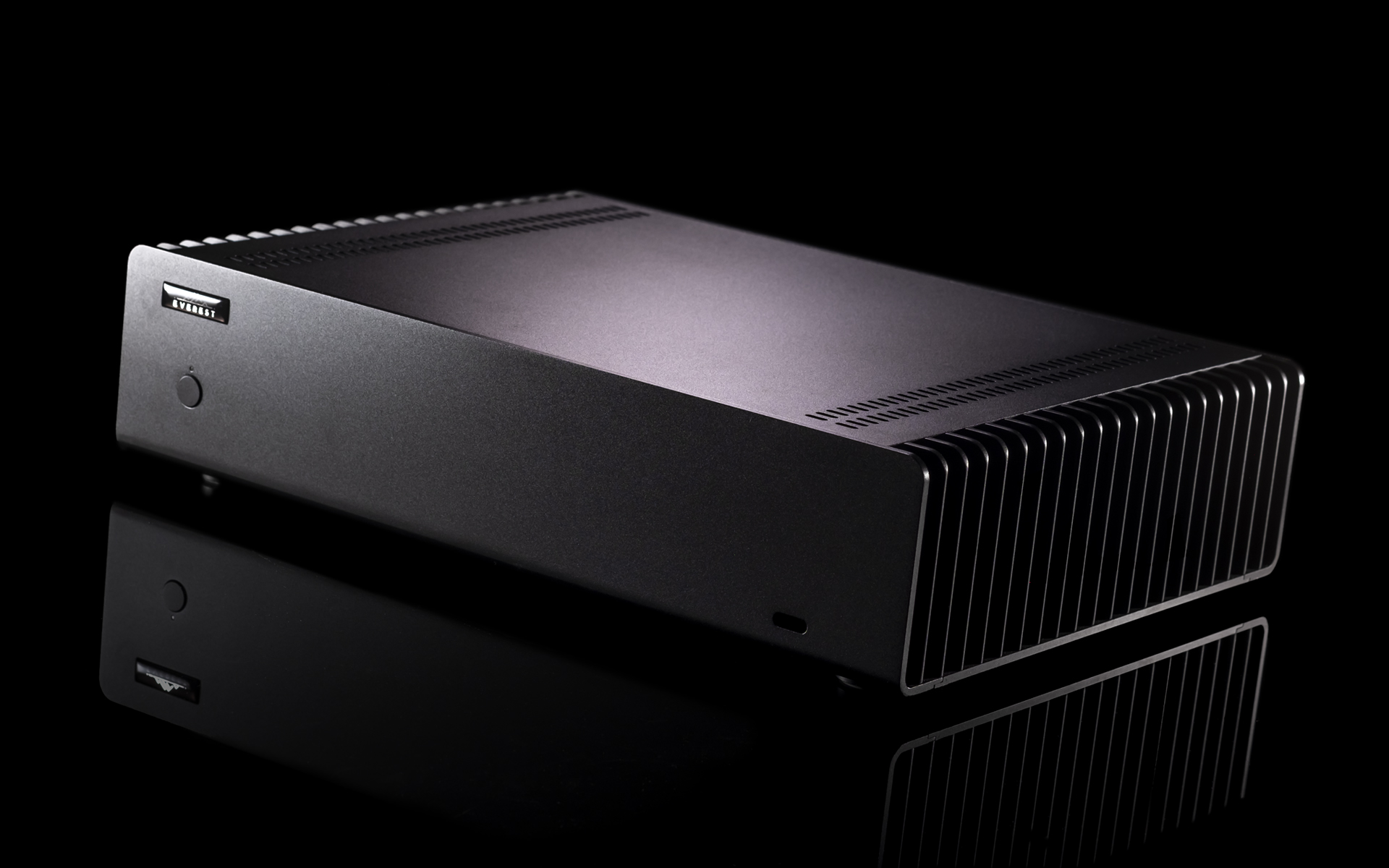 We go back some 15 years or thereabouts. Back then I worked for what was at the time one of Poland’s largest IT websites. My assignments involved gaming headphones, sound cards and other delights engineered specifically to ensure that virtual grenades exploded with sufficient theatrical authority. It’s fair to say that things escalated since then, although that’s a different story entirely. I honestly can’t remember how Adam and I first met, and neither can he. Our safest bet is painfully mundane. Either my editor contacted Adam for a press pass, or Adam contacted the editorial office. Someone exchanged emails, someone answered, and eventually I was the poor soul selected to attend Audio Video Show and prepare coverage.
At the time my entire audio universe revolved around headphones. Consequently, walking into a multi-million-Euro stereo setup for the very first time felt somewhat comparable to accidentally entering a Formula 1 garage after years spent driving a shopping cart with a lawnmower engine attached to it. I don’t remember exactly what went through my head during that inaugural show, but I strongly suspect that said head spent most of the weekend spinning like a ceiling fan set to “panic”. Until then, I treated stereo as a distant, slightly eccentric hobby cultivated by men with bank accounts most people can only dream about. Audio Video Show changed that perspective rather violently. It turned out there was room there for virtually every budget. It’s also more than likely that during that particular weekend I decided what I actually wanted to write about moving forward. Some time later I met Srajan, the stars aligned in their peculiar fashion and, well, the rest is history.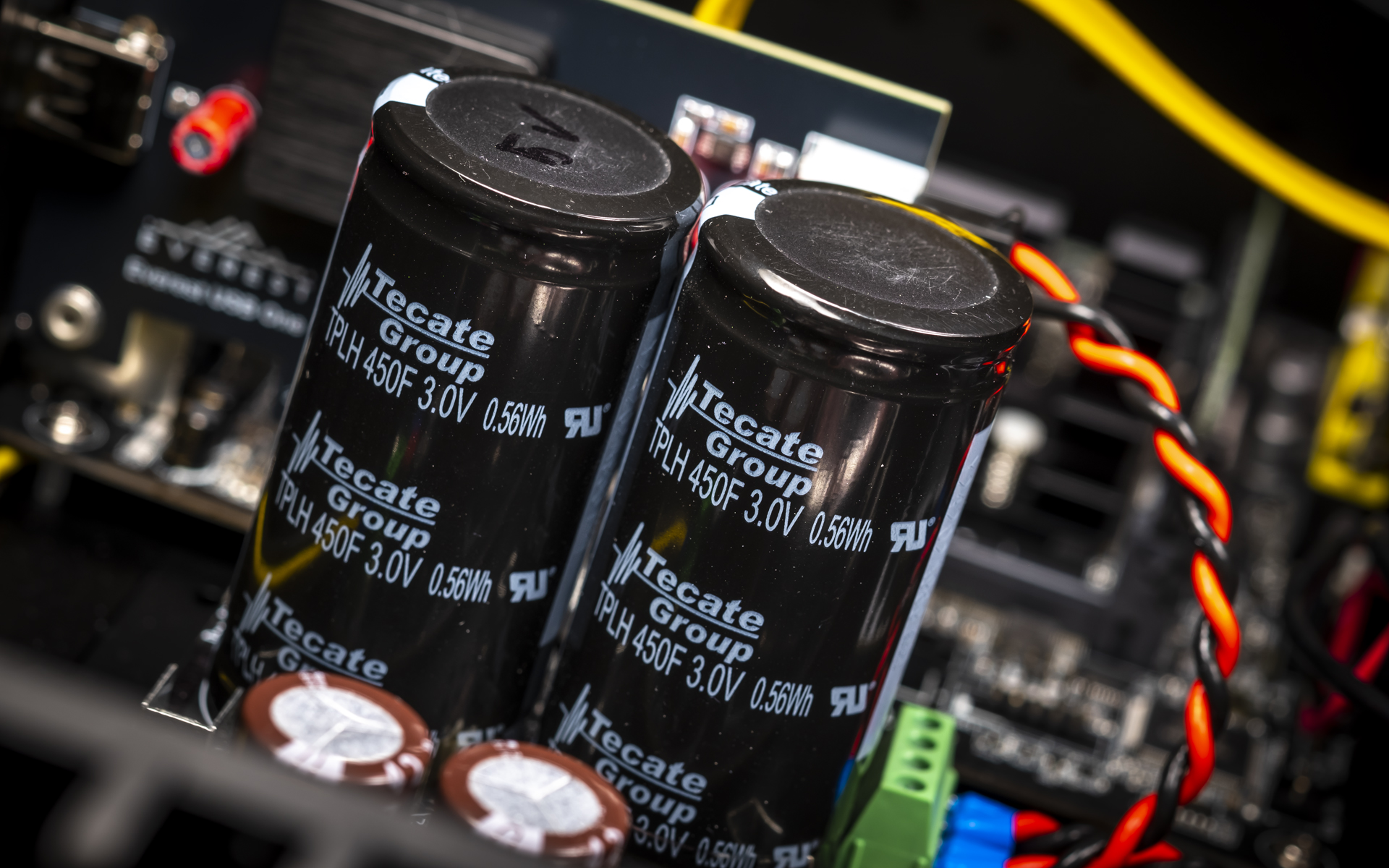 Ever since that first visit, I haven’t missed a single Audio Video Show. Not one. Yet the interesting bit is that the hardware itself eventually became secondary to me. I realize how odd that may sound in the context of one of Europe’s largest audio exhibitions, but there it is. For most attendees the attraction naturally revolves around equipment. Loudspeakers the size of refrigerators, amplifiers heavy enough to alter tectonic activity, turntables resembling kinetic sculptures and DACs apparently machined from retired naval artillery parts. That’s understandable. Audio people enjoy eye candy just as much as the next tribe.
To me, however, Audio Video Show gradually evolved into something else entirely. These days it’s far less about hardware and far more about atmosphere, familiar faces and socializing. Sure, audio remains the main attraction, but after enough years in this industry you eventually realize that people are what make these events worthwhile in the first place. Today Audio Video Show stands as the second-largest event of its kind in Europe and one of the biggest on the planet. In that context, the realization that this whole operation is largely the result of one chap and a relatively small crew remains deeply impressive. Frankly, it also makes me proud that such a thing exists on our own soil. Building an event of this caliber requires equal measures of stubbornness, organization, diplomacy and controlled insanity. Adam somehow possesses all four. What many people don’t realize is just how much work it takes to keep this machine alive. To be fair, neither do I. Not fully. But Adam and I talk frequently enough for me to have at least a vague understanding of the madness involved. Once the annual edition ends and the doors finally close behind thousands of visitors, he gets a brief moment to breathe. Brief being the operative word here. Soon afterward, preparations for the next edition begin. Around May or June it already becomes more difficult to get hold of him. A month later the man practically disappears into organizational hyperspace.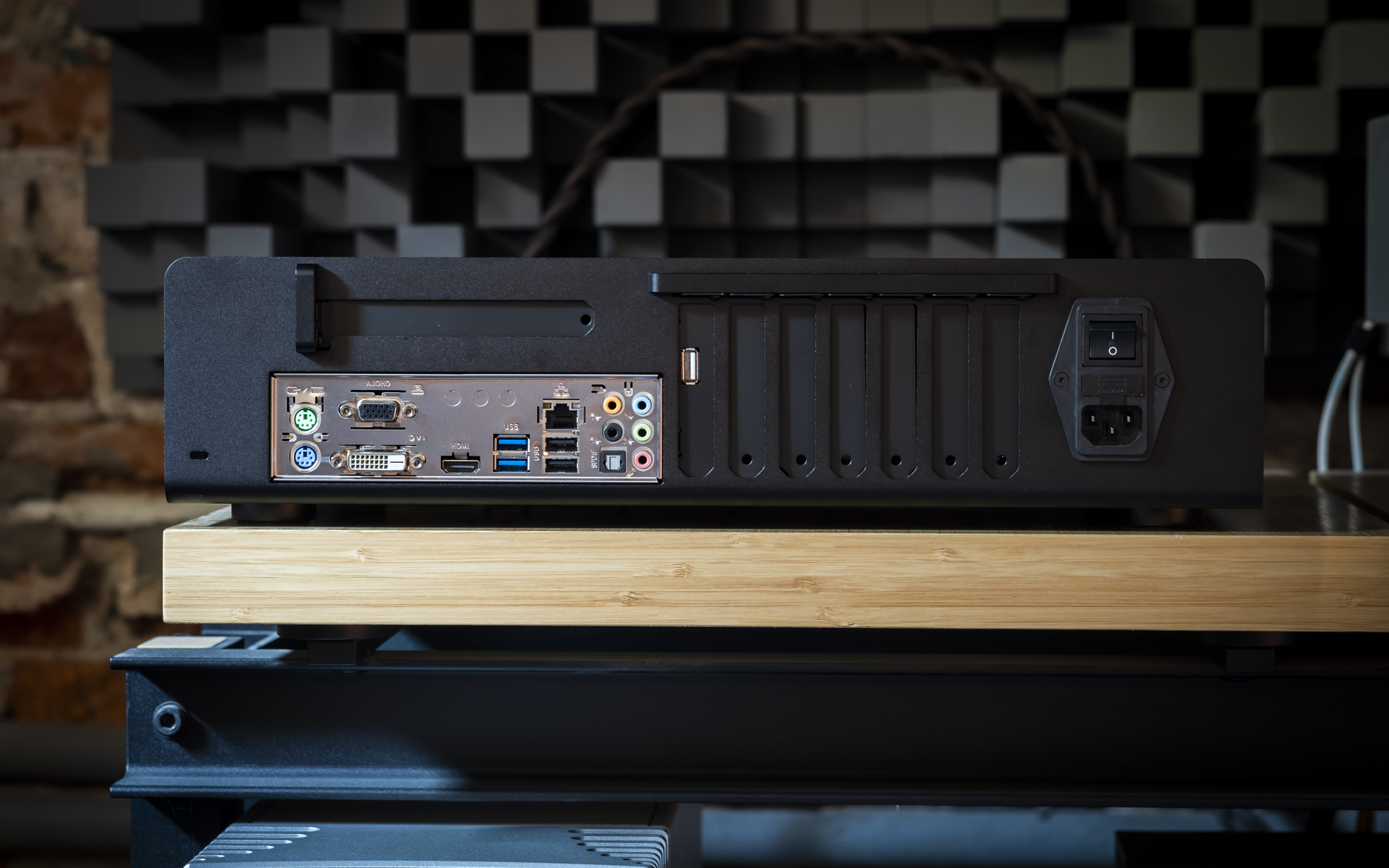 From that point onward, Adam’s daily email intake reaches numbers most people would classify as a cyberattack. Hundreds upon hundreds of messages related to exhibitors, logistics, shipping, room allocations, power requirements, hotel snafus, scheduling disasters and countless smaller emergencies nobody outside the industry ever sees. This continues until the event goes live. Then, once Audio Video Show finally starts, those familiar with Adam’s appearance may agree on one thing. He looks like a zombie. A happy zombie, admittedly, but still one held together mostly by caffeine, adrenaline and whatever obscure life-support protocol activates in crisis-management specialists. During those few autumn days he doesn’t relax, rest or enjoy music. He moves. Constantly. One room, another room, another corridor, another issue to extinguish before it escalates into a full-blown audiophile catastrophe. Somewhere a network died, somewhere else a shipment didn’t arrive, elsewhere an exhibitor desperately needs furniture, power strips or divine intervention. Adam handles all of it with the calm efficiency of someone who has been solving exactly these kinds of problems for 30 years. At this point I’m fairly certain that peak organization and thriving on chaos are encoded somewhere in his DNA.
Most journalists attending Audio Video Show are probably familiar with everything above. Adam knows virtually everyone in this industry and everyone knows him. Naturally, the man has many hobbies outside audio too, but today we’ll narrow our focus to one very specific obsession closely related to it. This is where the story gains momentum. I honestly can’t remember when Adam first visited my current listening room. 2018 perhaps, give or take a year. Every now and then he drops by whenever he happens to be nearby and has a moment to spare. Slim odds are that he may genuinely enjoy the sound my setup produces courtesy of those tiny Vox monitors I’ve been using for quite some time now. Up to a point I suspected that even if the entire thing sounded dreadful by his standards, he was simply too polite to say so. Or at least that’s what I chose to believe.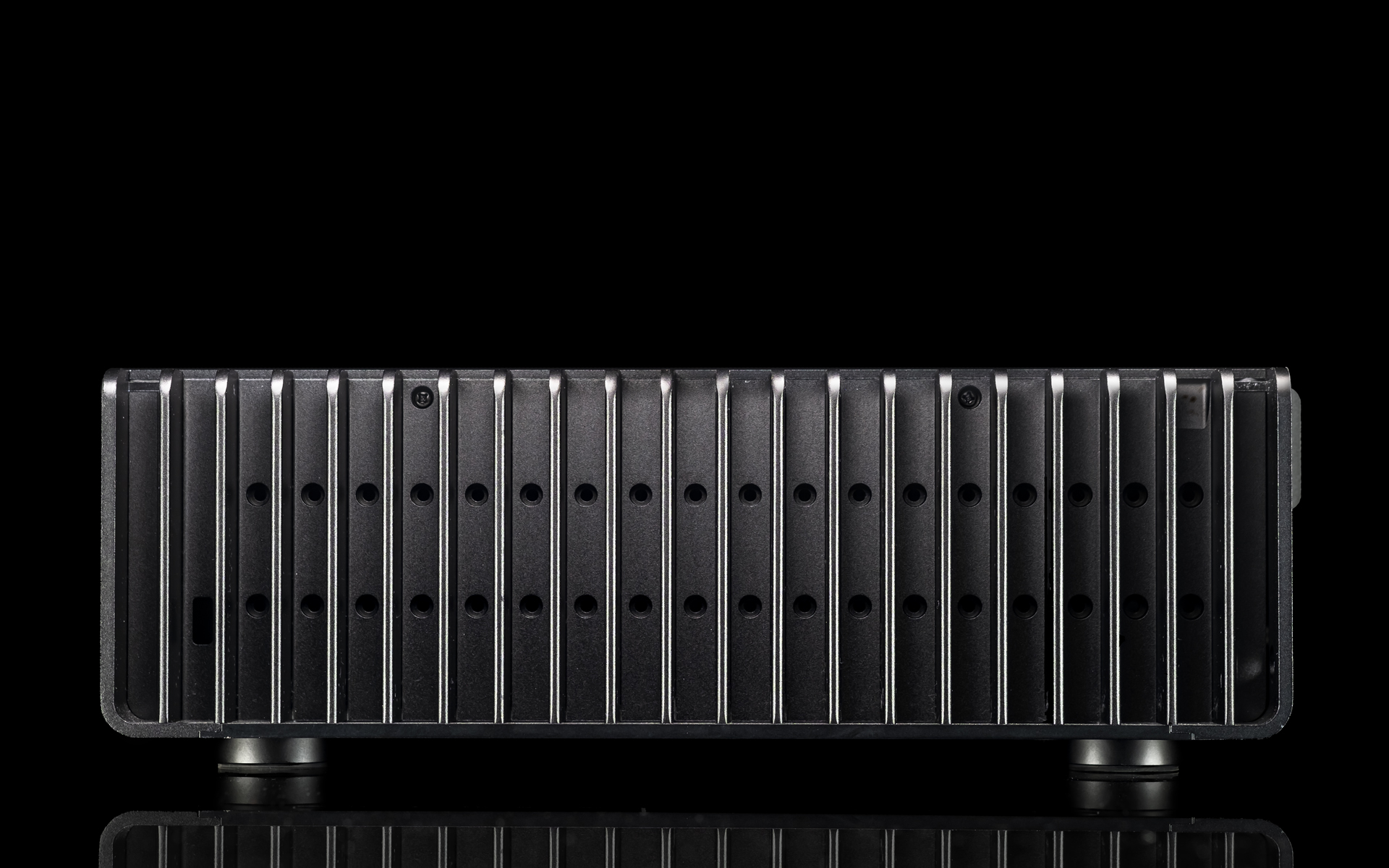 Mind you, this is a man who has seen and heard practically everything our industry has to offer. I strongly suspect he visited more manufacturers than most of us press people combined. Still, until early 2025 I had absolutely no idea that server/streamer hardware constituted one of his major personal passions. Apparently this particular rabbit hole consumed him more than a decade ago and never quite let go afterward. That brings us to early 2025. By then the oh-so-magnificent Innuos Statement Next-Gen already occupied its rightful place in my system. One day Adam called and asked whether he could stop by with “something”. The exact nature of said something remained undisclosed. “By all means,” I replied. “Last time I checked we’re still friends. I’m not charging you for my time. Yet.”
What arrived at my place initially looked less like a commercial product and more like the aftermath of a highly specialized engineering incident. Imagine a wooden board densely populated with recognizable components, alongside quite a few bits I had never encountered in hardware of this type before. Expensive clocks, unusual power arrangements, supercapacitors housed inside 3D-printed structures and several other wicked contraptions occupied the nearby space. To cut the suspense, that peculiar assembly turned out to be Adam’s working prototype for a server/streamer unlike anything else he had ever put together.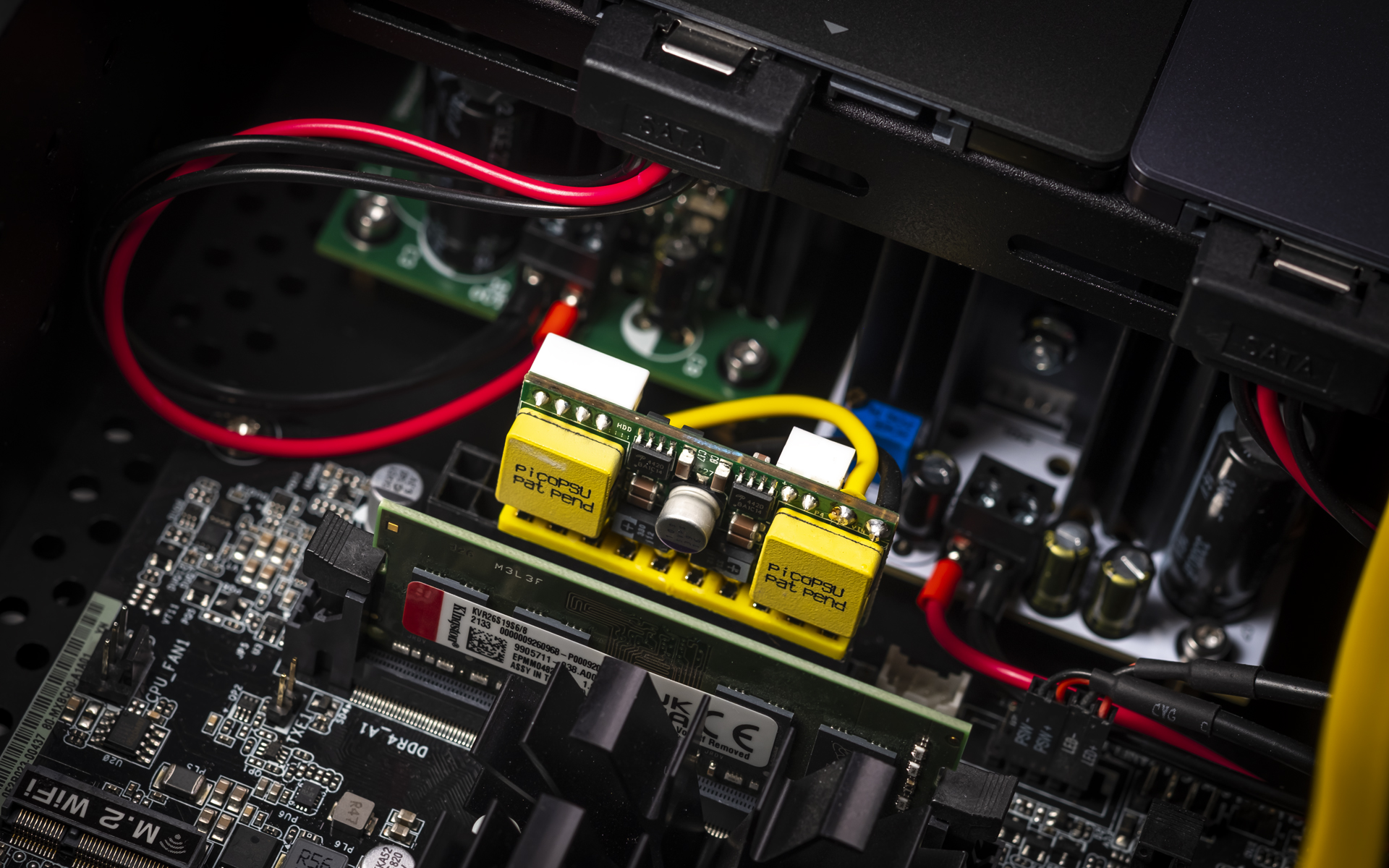 Although over the years he had assembled numerous audio servers for friends, this project was clearly different. It was also serious enough where it mattered most to entertain the possibility of transforming a long-developed hobby into an actual business venture. Come to think of it, there’s a lot of common sense in that. Very few people know this industry as intimately as Adam does, and that still comes on top of him being genuinely passionate about digital audio instead of merely professionally adjacent to it. There’s more to this equation. As absurdly time-consuming as Audio Video Show is, it had actually been Adam’s side activity for years. His core business revolved around a specialist language school. Past tense here isn’t accidental. A while ago he sold it, which in turn freed up some space in his schedule for other endeavors. Now we know that designing a server/streamer from scratch as a commercial effort and releasing it under his own banner qualified as one of them.
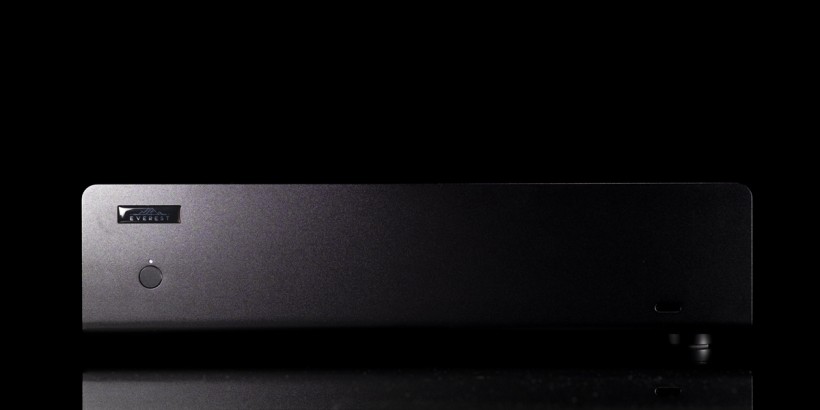
Here’s another fun fact. Back in his teenage years, so 1995 no less, Adam already worked as an audio reviewer for the local SAT magazine. Printed press, mind you, from the era before broadband internet became a thing in Poland and before today’s algorithm-driven attention economy transformed everyone with a smartphone into a self-proclaimed expert. One year later he moved to the Audio magazine run by Andrzej Kisiel, a publication that still exists today both in print and online. Suffice to say, the man has been marinating in audio for an alarmingly long time. He may not look like it, but his track record is what it is.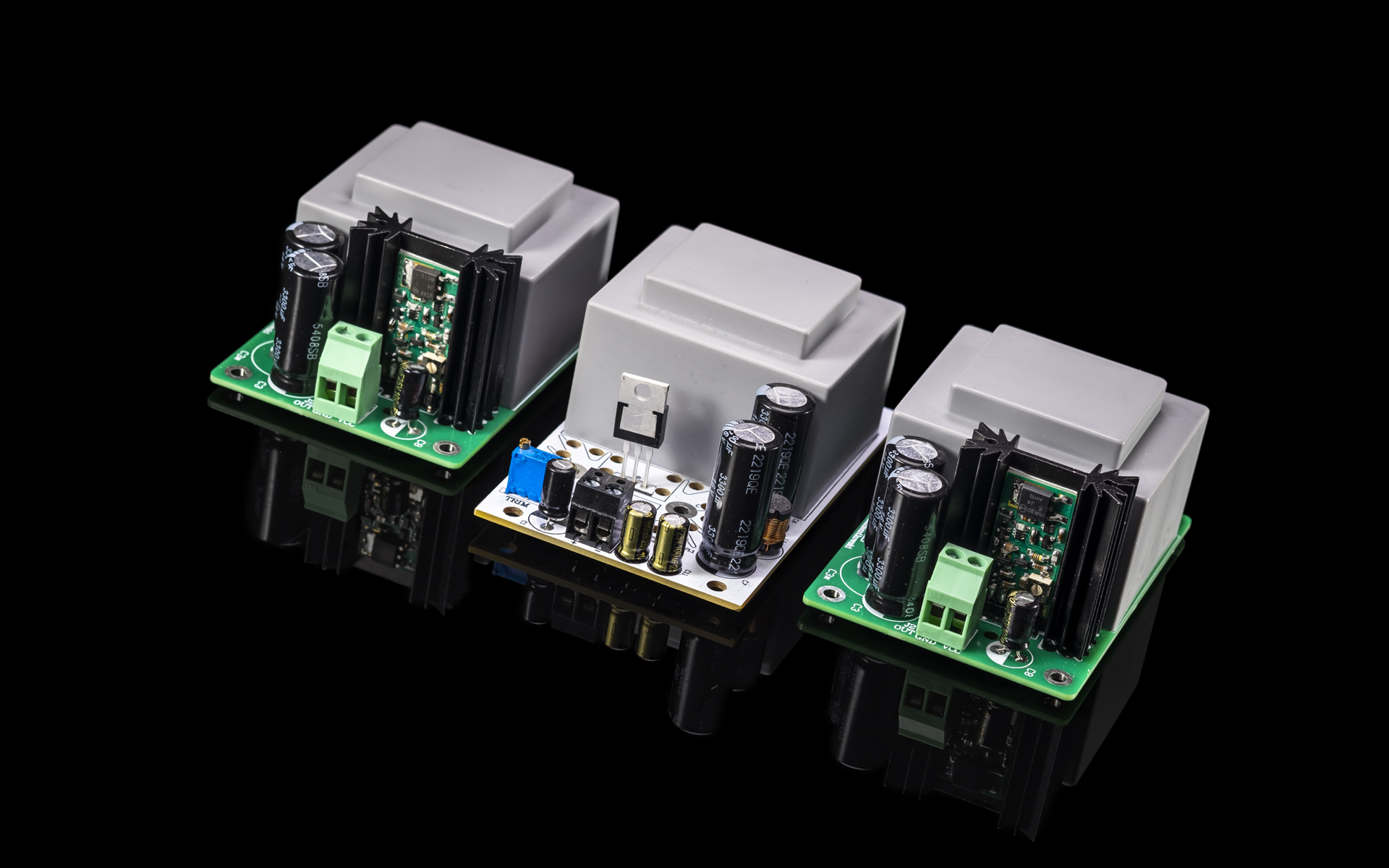 Now getting back on track, Adam’s first working prototype neither had a proper enclosure nor a name, yet I was still surprised by how accomplished it already sounded. More importantly, it became immediately obvious just how substantial an influence the onboard oscillators had on the final result. We swapped several during that session and the differences were anything but subtle. The second time Adam visited, the project had evolved considerably. The crude DIY stage was no more. There was now a proper chassis and an actual product identity attached to it. Yet the man’s perfectionism kept delaying the finish line. Various small details required refinement. Tiny kinks needed ironing out. Naturally, most sane people would never have noticed any of them, but Adam certainly did. His most recent visit occurred after selling his core company, so he finally had the time to properly button up the design and prime it for commercial assault. Without further ado, it’s my pleasure to introduce the Everest Base. While I generally couldn’t care less about reviewer firsties and similar industry chest-thumping, in this particular case I’ll gladly make an exception and mention that this story marks both the product’s and the brand’s global debut.
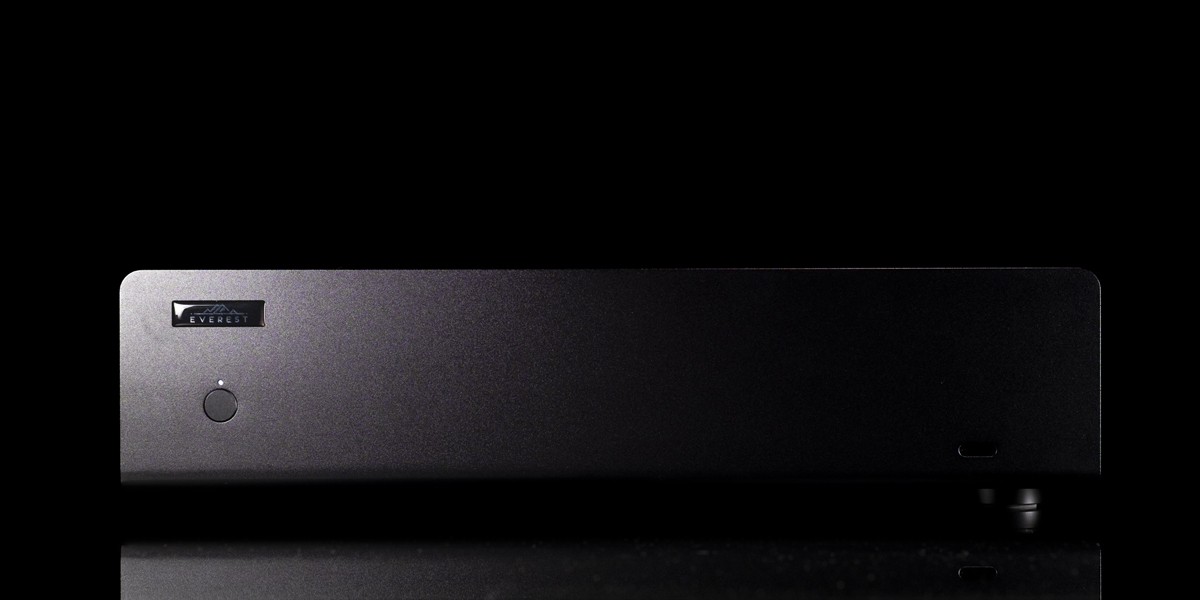
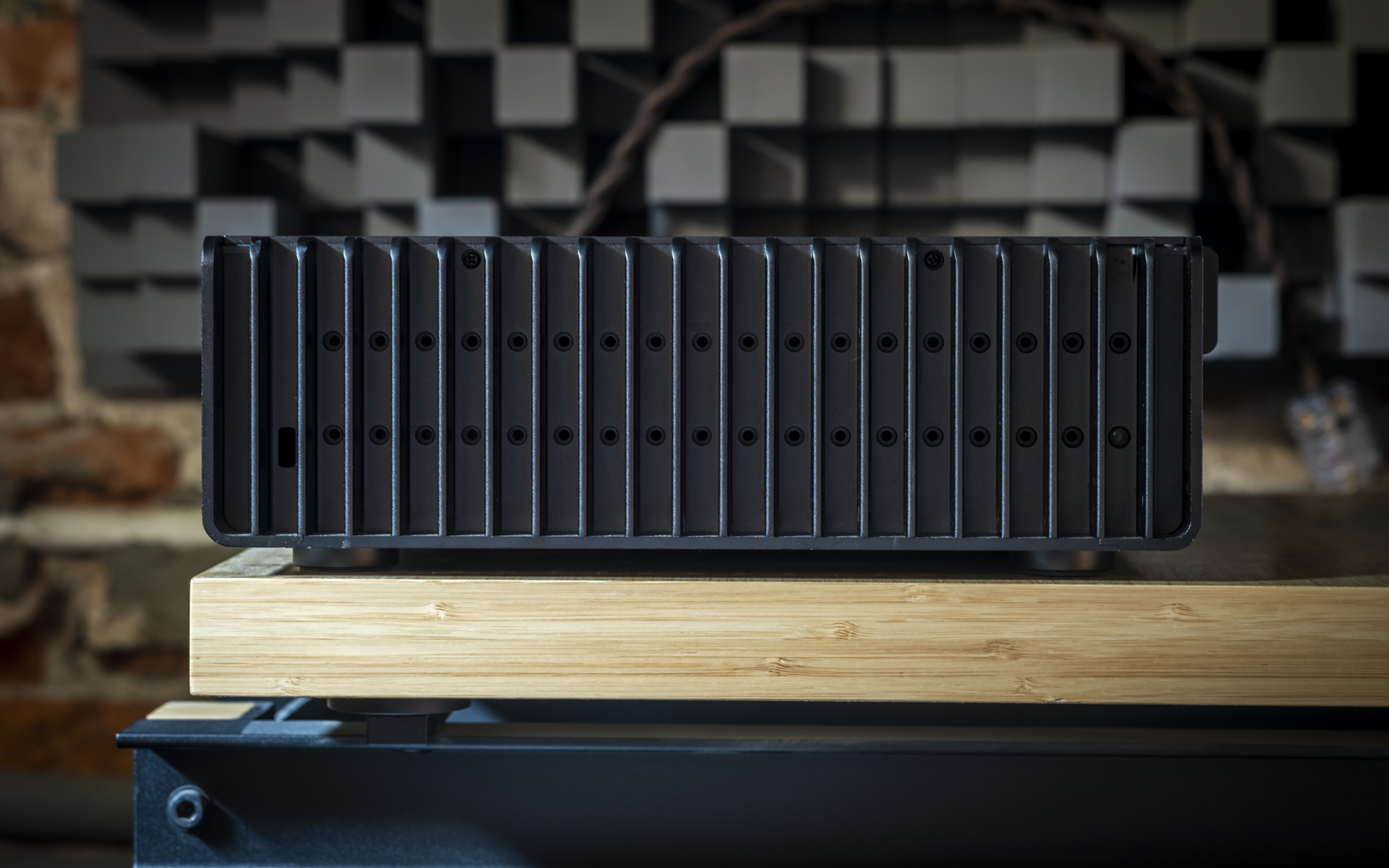
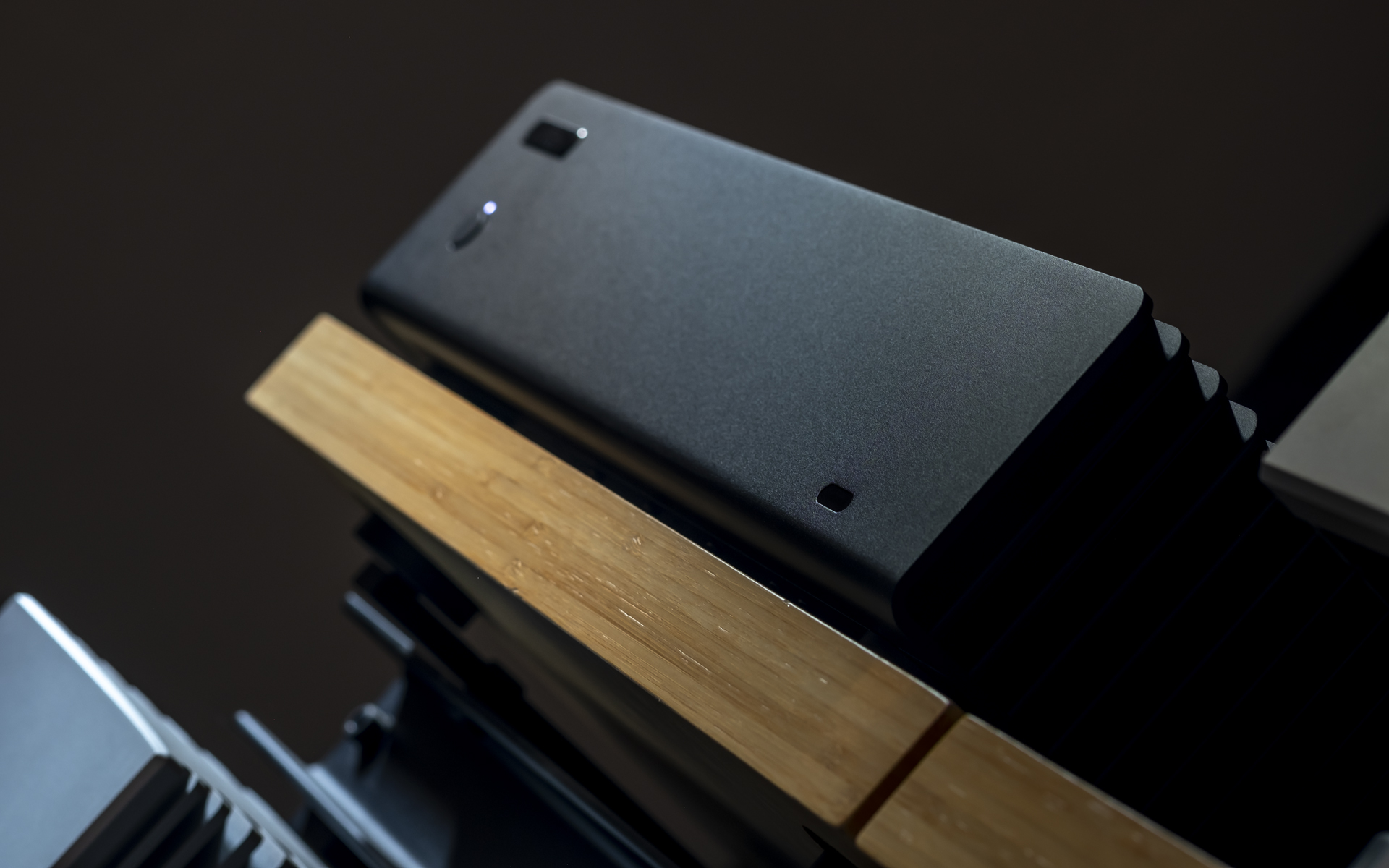
In case of many newcomer audio businesses, not expecting anything fancy packaging-wise is only natural. Most fresh brands simply funnel every available cent into the product itself and call it a day. Frankly, that’s the sensible thing to do. While Adam didn’t go particularly luxurious with Everest Base either, he clearly paid attention to the small things. The cardboard box sports a printed Everest logo and the internal foamy liners that secure the main component were obviously cut specifically for this product instead of shamelessly recycled from whatever happened to fit. No other extras were necessary. People shopping in this market already own boutique LAN and power cables, and they usually know perfectly well what to do with them.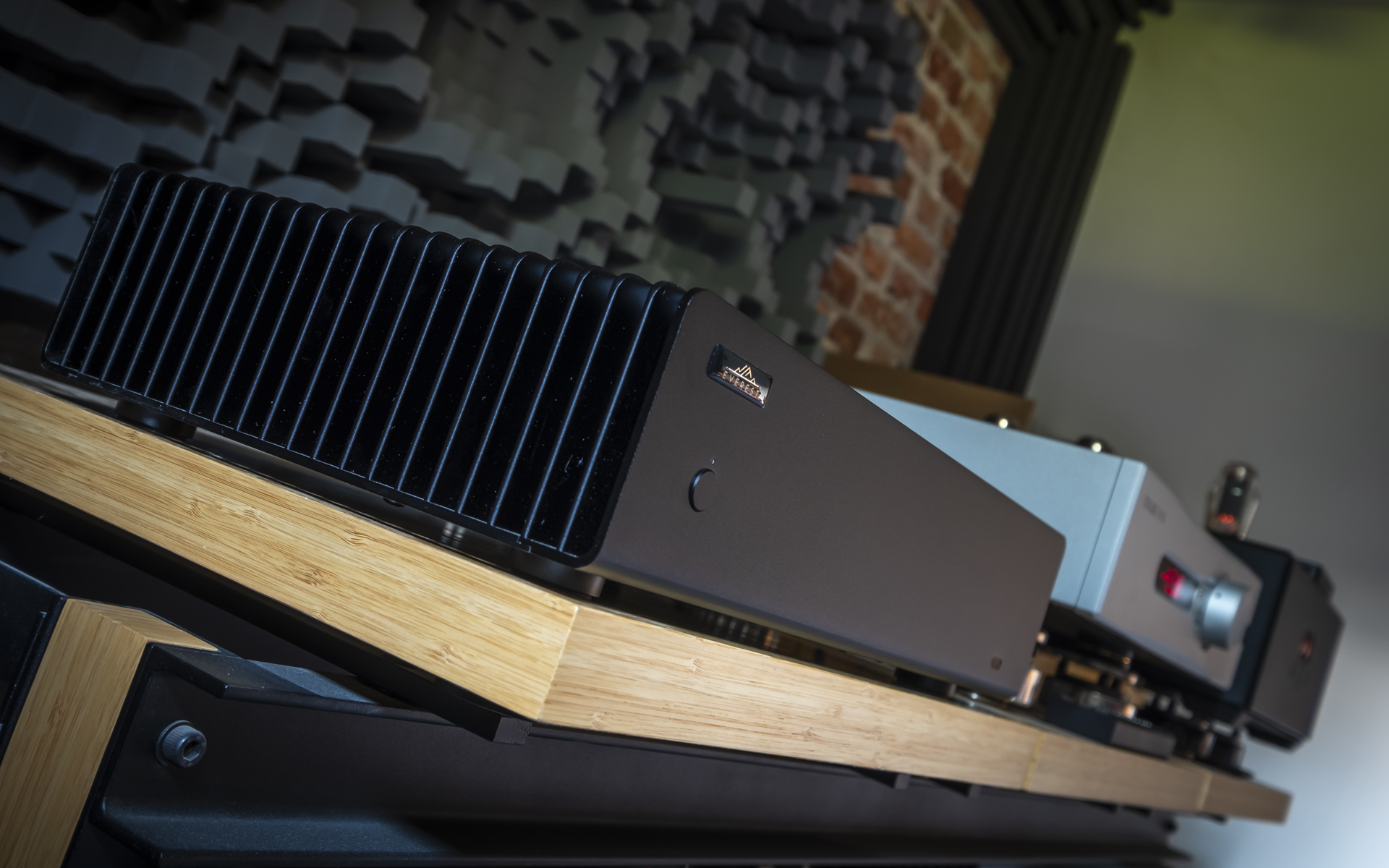 To get the basics out of the way, Everest Base measures 435 x 319 x 100mm (W x D x H) and tips the scale at an easygoing 8kg, so nothing here requires either forklift certification or a chiropractor on standby. For this design Adam chose the Streacom FC10 V2 enclosure sans optical drive slot. The thing comprises rigid sandblasted and anodized black aluminum plates, the machining tolerances are reassuringly tight and the visual impression lands somewhere between minimalist and quietly purposeful courtesy of large heatsinks on the sides. It’s sleek without trying too hard, which in today’s audio landscape already qualifies as a minor miracle.
It’s also worth mentioning that several other high-profile server manufacturers rely on Streacom enclosures, so Adam’s decision in this regard feels practical rather than opportunistic. This isn’t some lazy off-the-shelf compromise, but a proven platform many established brands happily build upon. Besides, the Everest Base serves as the company’s entry-level design priced at €4’999, so expectations should remain grounded accordingly. No luxury fluff here, just essentials and key ingredients that meaningfully set the design apart from competitors. That said, more ambitious custom-machined casework and increasingly elaborate internals are reserved for models positioned higher up the Everest ladder. On that note, the higher-tiered Everest Ascent already exists and two additional designs are in the pipeline, though that’s a story for another time.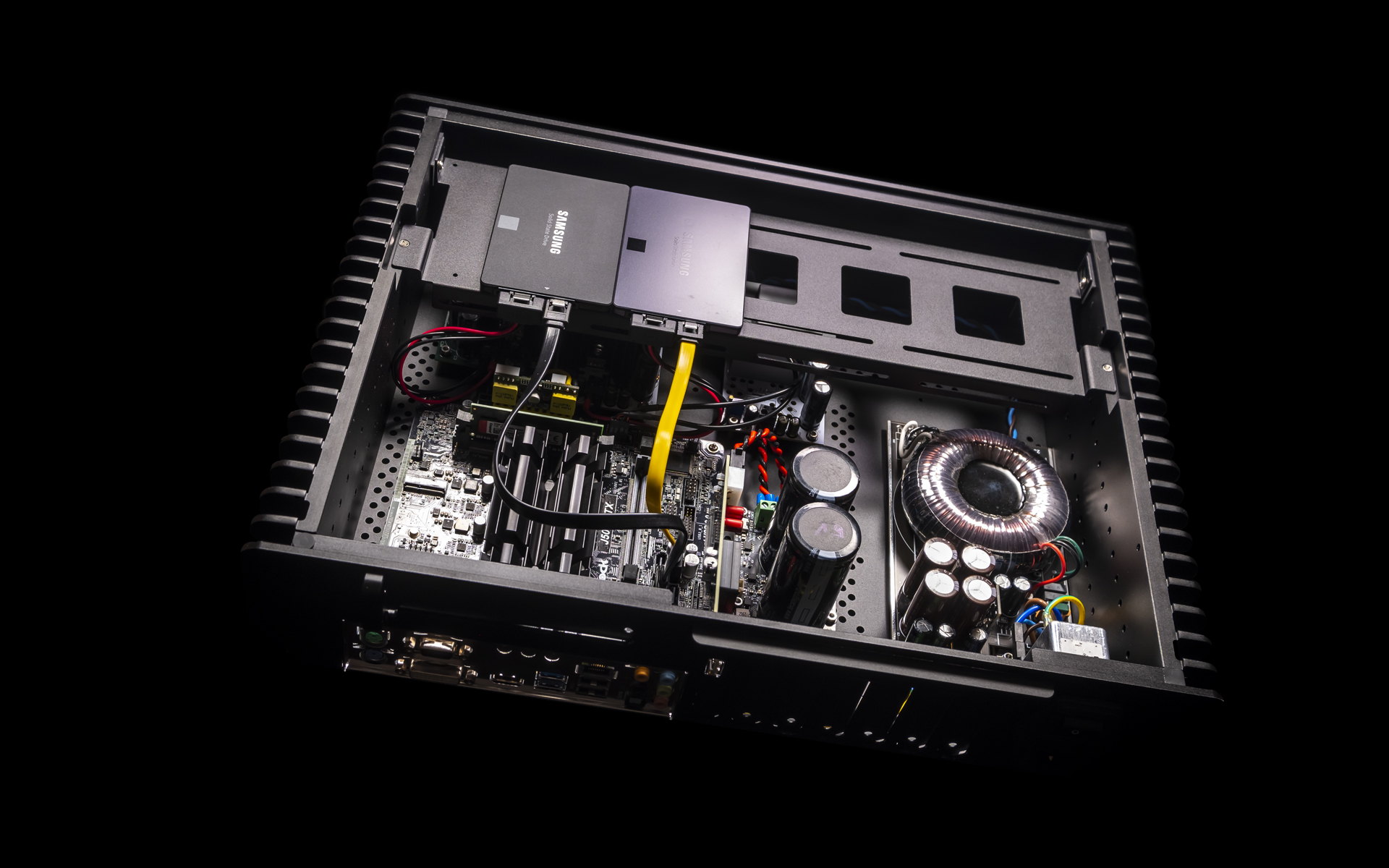 Server and streamer designs enjoy fairly miserable press on audio forums. That much is hardly news. The crowded camp there remains convinced that such devices cannot possibly make even the faintest sonic difference, while my own experience over the years suggests quite the opposite. Frankly, I’ve long since stopped trying to convince anyone otherwise. Life’s too short and bandwidth too expensive. More interesting is another issue entirely, namely what these machines actually are and, perhaps more importantly, what they pack inside. Therein lies the rub.
At the end of the day, server/streamer hardware largely revolves around familiar computer components. Enclosures, motherboards, memory modules, CPUs, SSD drives and power supplies. None of this sounds particularly exotic. Calculating the visible parts that make Everest Base is hardly a chore either. In fact, it’s a breeze. I can easily imagine forum pundits mentally adding up retail PC hardware prices and immediately asking themselves why on Earth this thing costs mid four figures. To properly address that question, however, one needs to look well beyond commodity PC bits and focus instead on the extensive custom engineering Adam injected into his introductory device. He clearly didn’t spare any effort on that front.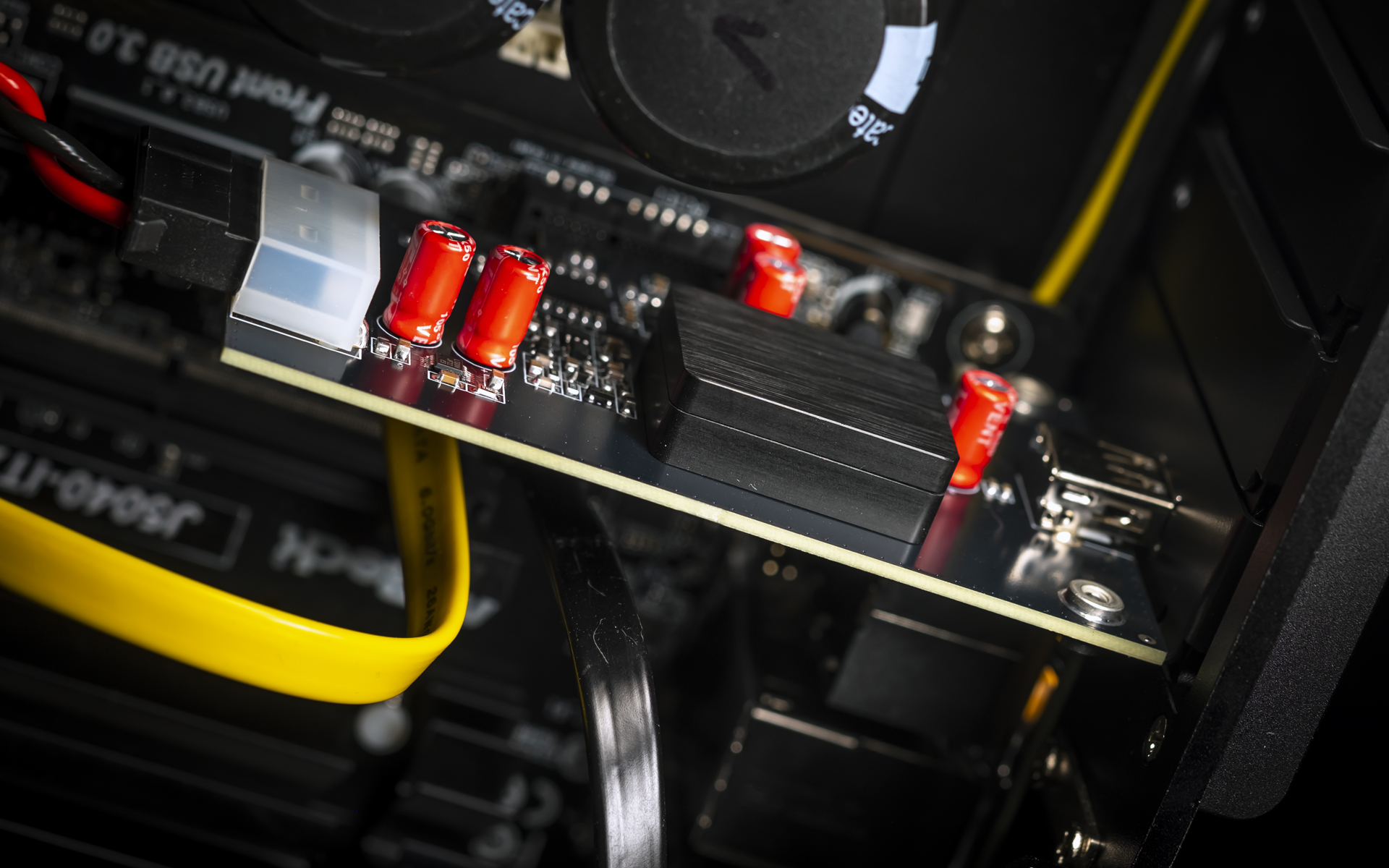 Upon inspecting Everest Base’s interior we encounter an ASRock J5040-ITX motherboard armed with a quad-core Intel J5040 CPU and 8GB of DDR4 RAM, expandable to twice that should one feel particularly adventurous. CPU cooling duties fall onto a modest passive heatsink entirely sufficient for the task even under stress. Adam’s motherboard choice isn’t random either. Quite the opposite. Among digital audio manufacturers this specific platform enjoys considerable popularity. To give you some perspective, the €14,500 432 EVO Master and the €23,000 Ideon Absolute Stream META rely on the very same board. There’s another practical advantage to such an approach. The beauty of using a standard ITX platform lies in serviceability and future-proofing. Should the CPU eventually fail or should one desire more computing muscle years down the road, swapping the motherboard becomes refreshingly painless. ITX is a standard after all, so dimensions and electrical connections remain consistent across countless compatible alternatives. Everest Base as reviewed also packs a dedicated 250GB Samsung SSD for system duties, while separate Samsung storage drives ranging from 1TB to 8TB accommodate the music library itself. So far none of this sounds particularly extraterrestrial. That changes the moment we reach Everest Base’s power architecture. Now is a good time to brace yourselves. Things are about to get properly saucy.
The machine rocks four separate discrete linear power supplies that independently feed the motherboard, each SSD and also a very special USB card we’ll get down to shortly. Each PSU is a custom-made circuit that utilizes ultra-low-noise voltage regulators, while the supply dedicated to the USB card incorporates two 450F supercapacitors tasked not merely with voltage stabilization, but with pushing output impedance down to a frankly absurd 3mΩ. Adding such a potent supercapacitor bank — two 450F units connected in series for an effective 225F at 6V nominal voltage — to power an audiophile USB card inside a server qualifies as a fairly uncompromising move in my book. The combination of enormous capacitance and microscopic output impedance drastically alters the behavior of the entire power line.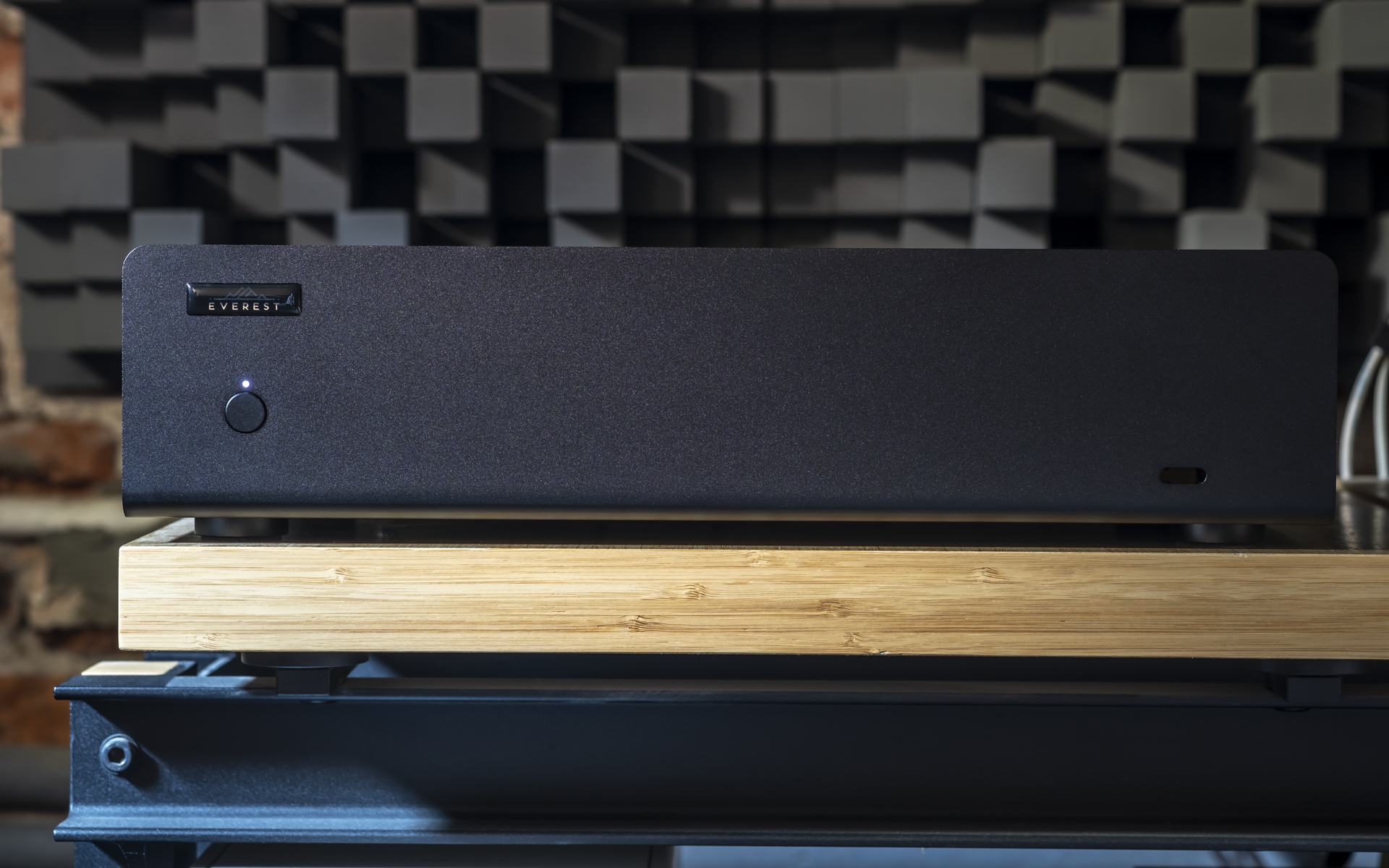 Naturally, I asked Adam to elaborate on his broader design philosophy. Several recurring themes emerged, digital noise isolation being among the most important. He explained that digital circuits — especially processors on USB cards, clocks and various logic sections — do not draw power continuously. Their consumption behaves in rapid spike-like bursts synchronized with clock frequencies. To Adam, conventional switching supplies and even many linear regulators simply cannot react quickly enough to these sudden demand fluctuations. The result is momentary voltage drops and high-frequency noise contamination, both of which eventually manifest as jitter inside the audio signal. This is precisely where the supercapacitor bank enters the picture. Acting as a giant local energy reservoir with effectively zero inertia, it can respond almost instantaneously to current demand spikes. With ESR hovering around 3mΩ, the thing is capable of delivering enormous current in a fraction of a nanosecond, smoothing micro-spikes directly at their source. In effect, the USB card stops modulating the server’s main power line altogether. Extreme lowering of PSU impedance constituted another major design goal. The source’s output impedance determines how stable voltage remains under dynamically changing load conditions. A 3mΩ reading paired with such massive capacitance effectively transforms the 5V rail into an electrical brick wall. Whether the USB controller transmits dense DSD streams or idles quietly in the background, the supply voltage simply refuses to fluctuate. For digital circuits this creates ideal operating conditions and minimizes switching errors at gate level.
Then there’s also the matter of galvanic noise isolation and what Adam calls the “virtual battery” principle. In his view, a PC server environment is fundamentally hostile to audio due to contamination generated by processor converters, SSD drives and every other electrically noisy subsystem busy doing computer things. At 225F capacitance the discharge time constant becomes so enormous that the supercapacitors effectively behave as an extremely powerful low-pass filter with a cutoff frequency approaching zero. This isolates the USB card from the instability and noise of the computer PSU itself, making the entire supply behave similarly to a pure chemical galvanic cell, albeit without traditional battery drawbacks. The latter typically exhibit considerably higher output impedance by comparison.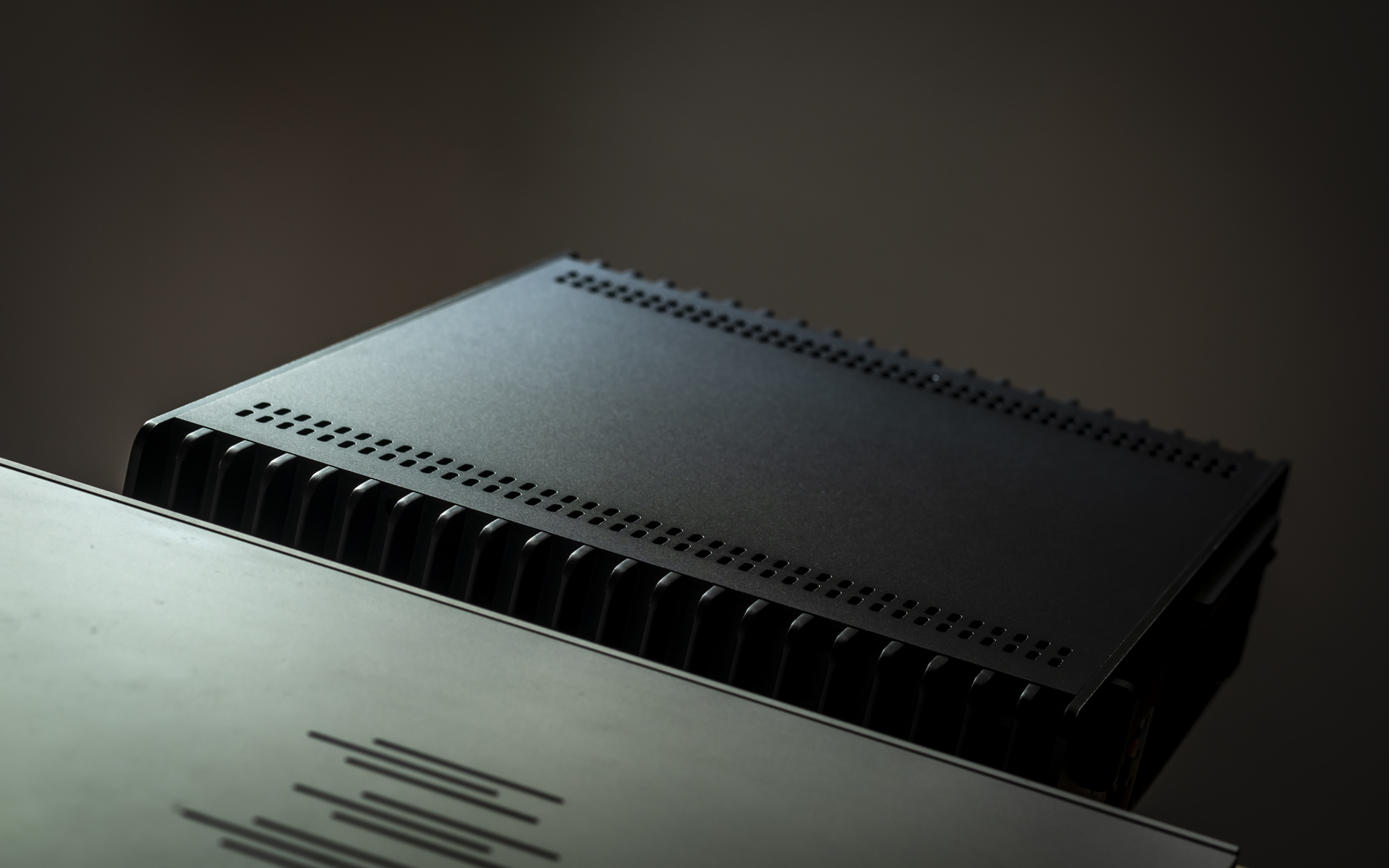 Clock jitter reduction represented yet another major priority. Adam identified oscillators as the most sensitive components on any USB card because power supply noise translates directly into phase noise, or jitter. By eliminating broadband contamination through the supercapacitor implementation, clock generators can operate far closer to their theoretical maximum precision. On the ear, such improvements usually manifest as inkier backgrounds, cleaner spatial separation and upper registers largely free from residual digital glare. At one point Adam casually mentioned that with 5V and 3mΩ ESR, the theoretical peak current capability of the supercapacitor bank calculates to roughly 1666A. Yes, one thousand six hundred and sixty-six amps. Naturally, real-world performance ends up lower due to PCB trace resistance and switching limitations elsewhere in the circuit, but the figure still vividly illustrates the sheer speed and authority of this current source. Considering that the USB card itself typically draws less than one amp even at peak demand, the available electrical headroom borders on the comical.
And this right here is precisely where Everest Base stops looking like “just another PC in a fancy box” and starts resembling a deeply obsessive engineering exercise conducted by someone who spent many years thinking about digital audio behavior far beyond the superficial level. Whether one agrees with Adam’s design choice or not almost becomes secondary. While the amount of R&D poured into his first machine is impossible to miss and already impressive as is, the key feature is still ahead of us. While there are dozens of audiophile server manufacturers these days, to my knowledge only Taiko Audio, Pink Faun, SOtM and JCAT develop their own PCIe USB cards. The former two keep these solutions exclusive to their own machines, so the designs offered by the latter brands remain among the only commercially available standalone options people can actually buy. Whether such hardware makes any audible difference or not is entirely beside the point here. It’s about the effort required to go this route as a newcomer business. By developing his own Everest USB One card, Adam joins a rather prestigious and exceedingly niche club. Asked about that, he explained that he’s familiar with competing designs and extensively experimented with those he managed to get his hands on. Eventually he decided to burn a rather substantial amount of cash on creating his own implementation exactly the way he wanted. Knowing him, this outcome honestly feels less like a business decision and more like an inevitability he eventually had to face head-on.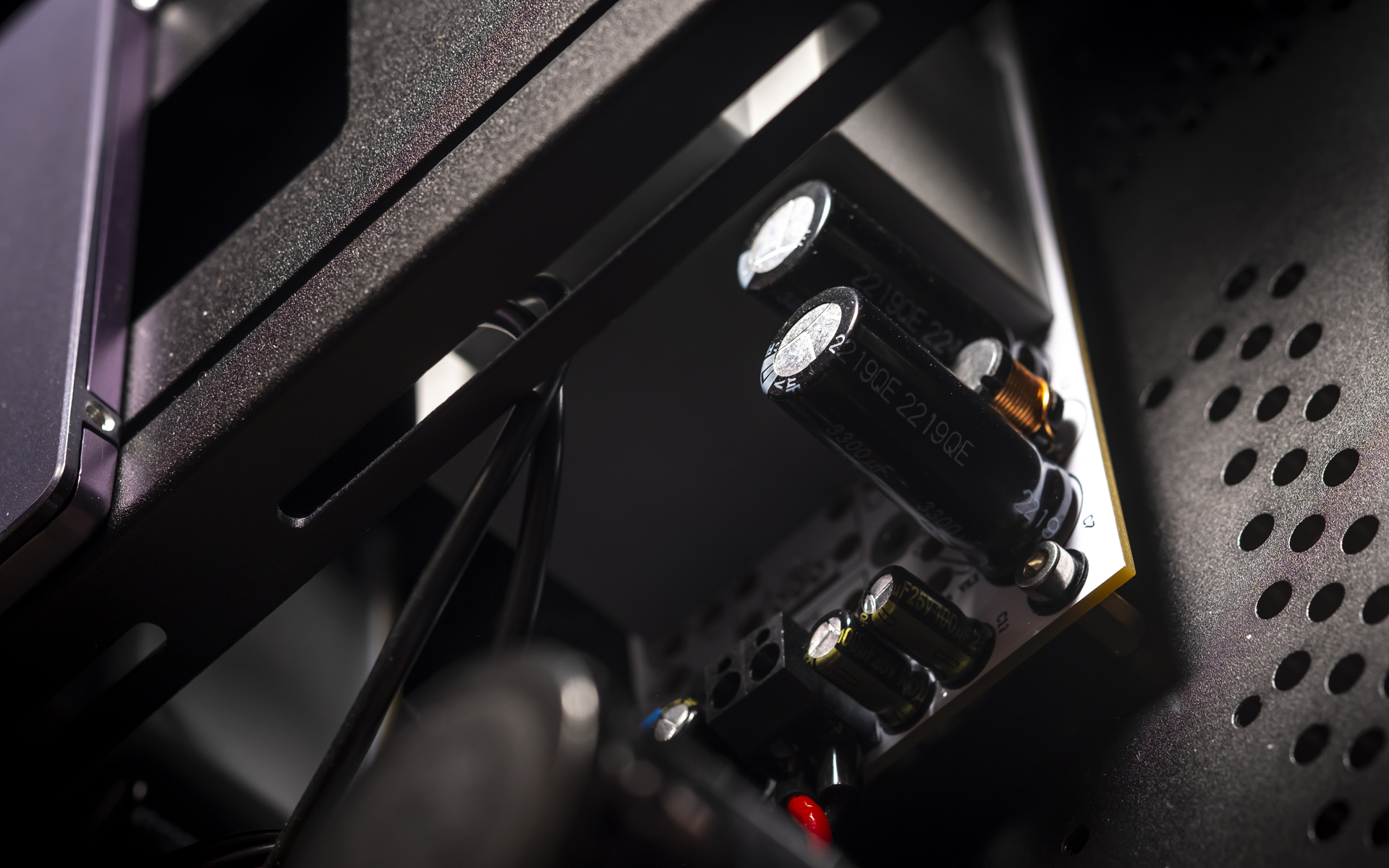 While Adam is already busy developing higher-tier USB and LAN cards for future Everest models, the Everest USB One inside the Base trooper as reviewed already deserves special attention. The card utilizes an SC-cut oscillator selected specifically for its extremely low phase noise characteristics. It resides inside a CNC-machined aluminum enclosure and is encapsulated in a dedicated microphonic-reducing compound intended to maximize clock precision even further. Naturally, I had to ask how exactly that helps. Here mechanical vibration enters the equation. I was told that the quartz resonator inside every oscillator is fundamentally a piezoelectric element physically vibrating at a specific frequency. External vibrations superimpose themselves onto these natural oscillations and generate microphonics. In practice, clock frequency becomes subtly modulated, which directly translates into phase noise, in other words jitter. The compound surrounding the oscillator acts as a highly effective mechanical absorber that dissipates the kinetic energy of these vibrations before they interfere with the crystal itself. The idea is thus to allow the quartz to operate in conditions approaching mechanical silence, drastically reducing vibration-induced jitter.
Then comes EMI/RFI shielding. As outlined above, the interior of any computer server is effectively an electromagnetic war zone populated by high-frequency noise generated by processors, memory and switching converters all screaming at one another simultaneously. Here the aluminum enclosure for Adam’s oscillator of choice functions as a Faraday cage. It blocks EMI/RFI interference from penetrating the oscillator’s delicate internal structures as well as its power and signal lines. In effect, the part’s output circuit remains protected from induced broadband noise contamination originating elsewhere inside the machine. Thermal stability also played a major role in Adam’s thinking. As he explained, every XO oscillator exhibits some degree of temperature dependency regardless of sophistication level. Even if we’re not talking about a dedicated OCXO design aka Oven Controlled Crystal Oscillator, sudden thermal fluctuations inside a PC chassis — say during a temporary CPU load spike — can still introduce subtle frequency deviations known as thermal drift. The combination of the aluminum enclosure and encapsulating compound creates substantial thermal inertia that effectively smooths temperature spikes. The oscillator heats up and cools down very slowly and evenly, stabilizing its operating point in the process.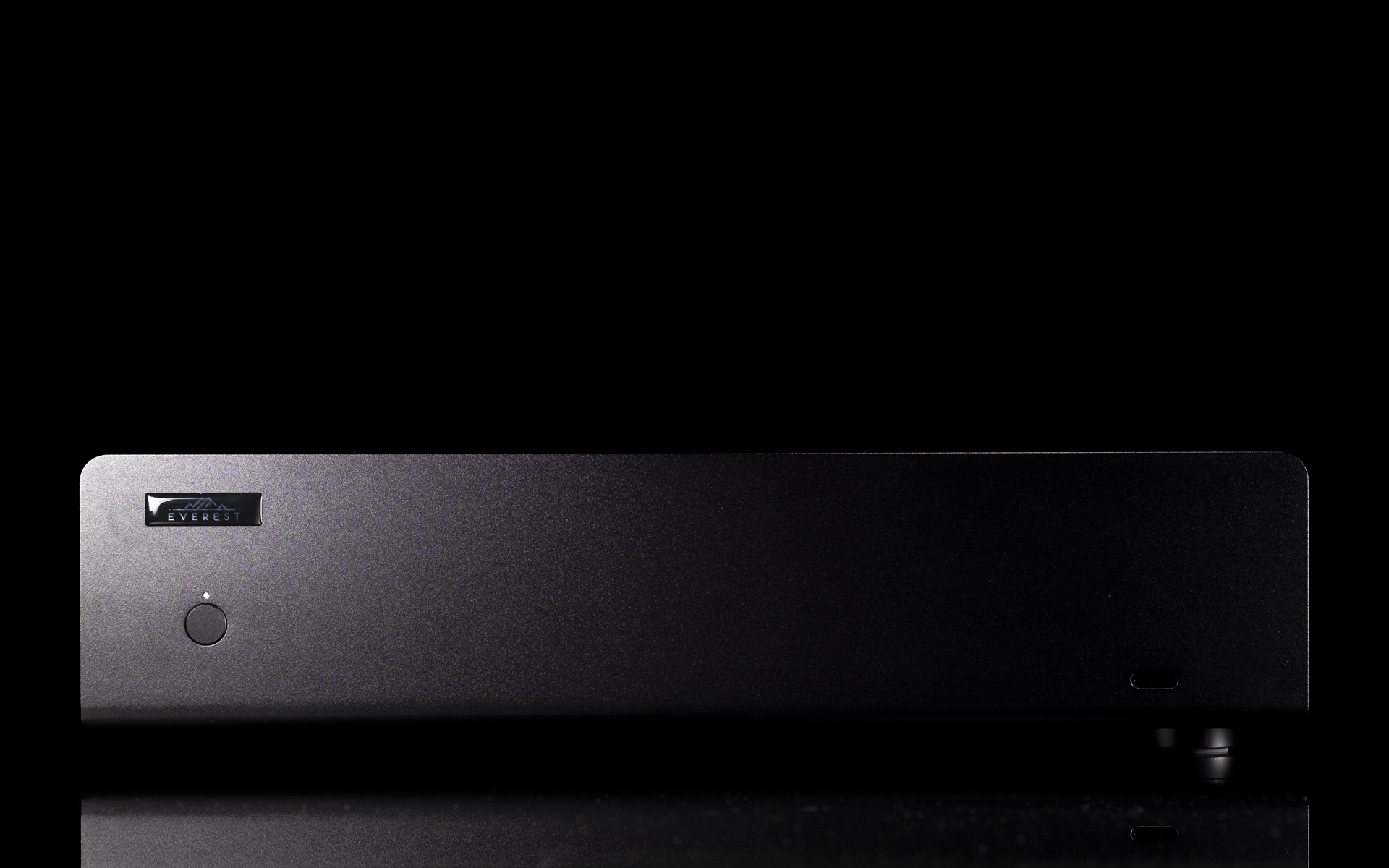 The potted enclosure additionally isolates the oscillator structure from environmental influences such as humidity, which in extreme cases may alter tiny parasitic capacitances around the crystal itself. In addition, as a component soldered directly onto the USB card’s PCB, the oscillator remains susceptible to resonances originating from the laminate and surrounding circuitry. Encasing it inside a rigid and relatively heavy aluminum housing dramatically alters the resonant behavior of the entire assembly, shifting it outside ranges potentially harmful to clock performance. The enclosure also damps self-generated resonances that the oscillator itself could otherwise transmit back into the PCB.
In practical audio terms, a clock isolated from vibration, electromagnetic interference and temperature fluctuations in this manner should theoretically achieve significantly more stable and precise time-domain reconstruction. On the ear, that typically translates into superior spatial definition, fewer digital artifacts and a more analog-like presentation overall. Adam’s clock implementation is also powered by a pair of parallel-connected LT3042 linear regulators. Their combined operation, made possible by a clever architecture based on a current source and voltage buffer, further improves PSU performance in several meaningful ways. Firstly, the already extremely low noise floor of these parts becomes even lower courtesy of a noise averaging effect. A single LT3042 already posts an almost ludicrous output noise figure of merely 0.8 µV RMS within the 10Hz-100kHz bandwidth. When two identical regulators operate in parallel, their internal random voltage noise partially correlates and cancels out. In practice, noise decreases according to the square root of the number of regulators involved. With two LT3042s in play, output noise drops by roughly 30 percent to around 0.56 µV RMS. For the oscillator, this effectively creates a zone of near-perfect electrical silence.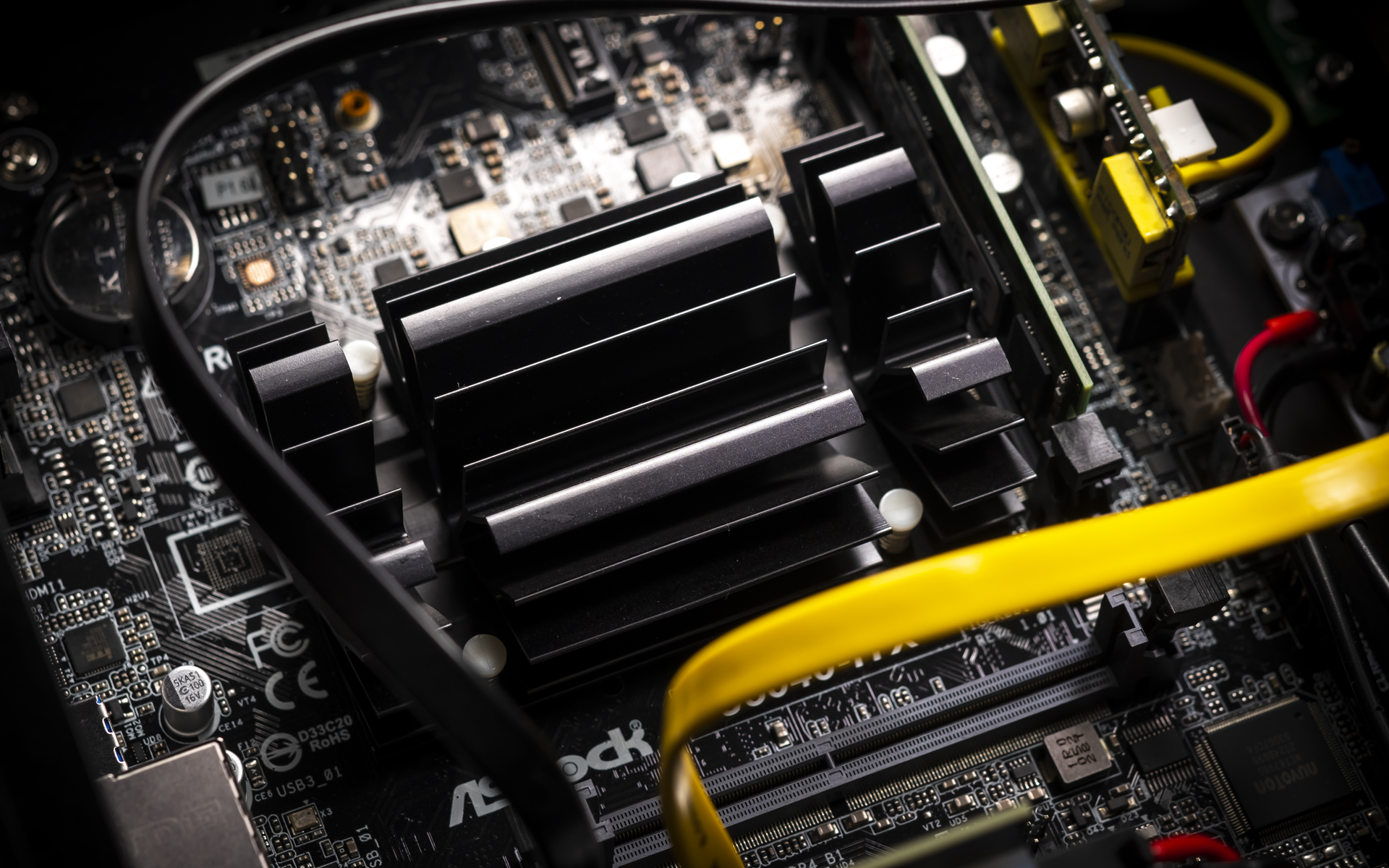 Secondly, the output impedance of the power source is significantly lowered. The principle here resembles connecting resistors in parallel, so that the resulting impedance is effectively halved. The lower the PSU impedance, the faster and more effectively it suppresses reverse interference generated by the oscillator itself during logic switching events. The power supply becomes substantially stiffer in the process, maintaining highly stable voltage during the fractions of a nanosecond when the crystal suddenly demands current to sustain oscillation. Thirdly, the circuit benefits from increased current capability and superior transient response. A single LT3042 can provide up to 200mA output current, whereas two of them operating together raise that ceiling to 400mA. Granted, an XO oscillator typically consumes relatively little current in steady-state operation, often merely several milliamps. However, during startup and while generating the rising edges of square-wave signals, instantaneous demand can increase dramatically. The doubled current reserve and combined silicon muscle allow the power supply to react extremely quickly under such conditions.
Fourthly, PSRR performance improves as well. The LT3042 is already famous for its outstanding power supply rejection ratio rated as high as 79dB at 1MHz. Parallel operation allows this extraordinary filtering capability to remain intact even under more demanding current and thermal conditions. Any residual contamination originating from the computer or upstream power supplies is effectively eliminated before it ever reaches the delicate oscillator circuitry. Lastly, the arrangement provides superior heat distribution. Splitting the workload across two integrated circuits means each regulator dissipates only half the thermal energy associated with voltage drops. Linear regulators operate more stably when not thermally stressed and exhibit less thermal drift themselves. The lower operating temperature of the regulator stage positioned close to the oscillator additionally minimizes thermal transfer to the crystal, directly supporting frequency stability. Adam summarized the entire architecture rather elegantly. The dual LT3042 arrangement combined with a 225F supercapacitor bank effectively creates a barrier nearly impervious to noise both in theory and in practice. The supercapacitors handle low-frequency cleanup and provide a massive energy reserve, while the parallel regulators precisely trim voltage, remove high-frequency contamination and deliver what he described as laboratory-grade current to the mechanically isolated XO.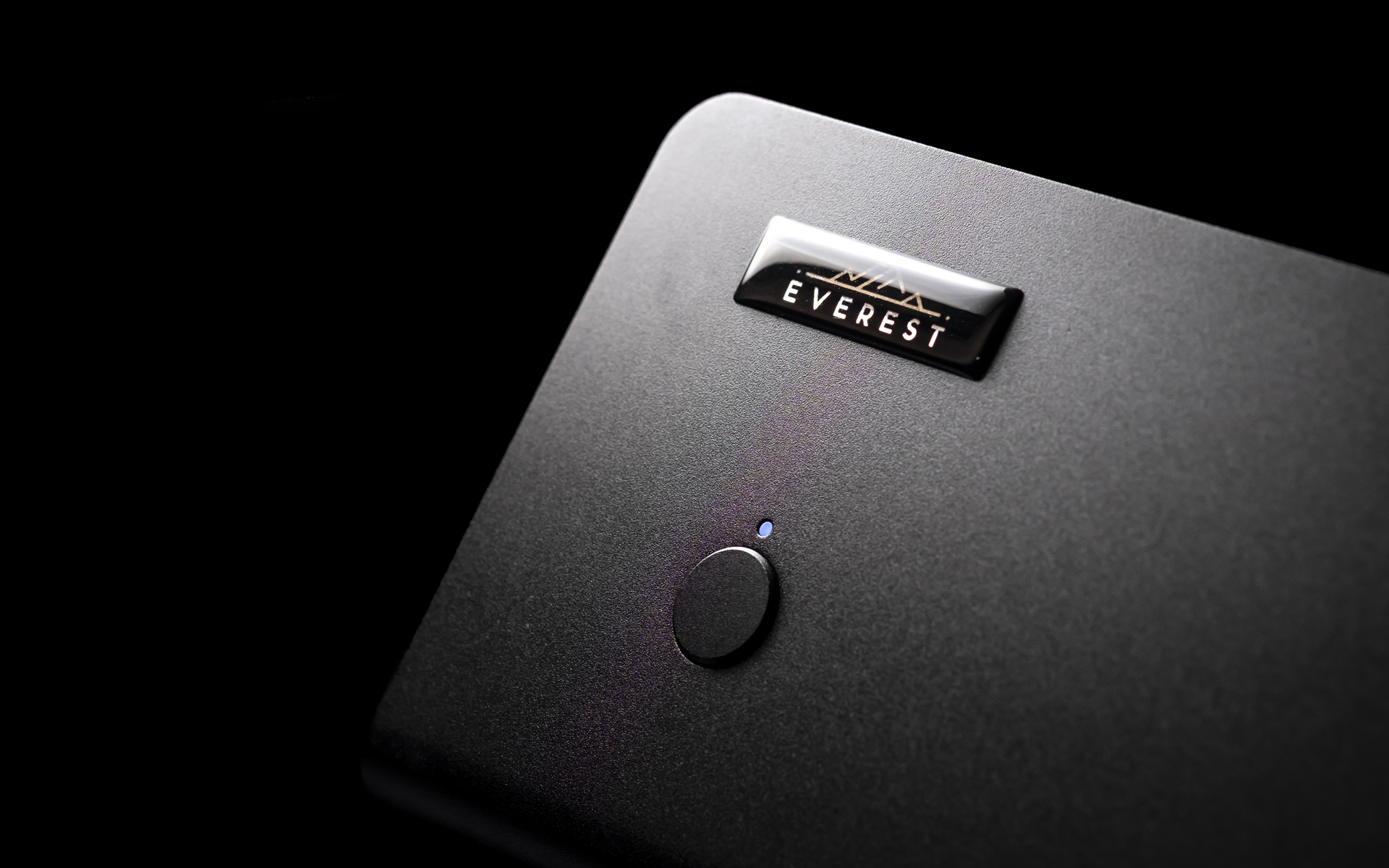 Considering all the above, Adam clearly has a soft spot for fancy oscillators. In truth, his USB card reads like a miniature scientific project dedicated to eliminating every imaginable source of timing instability one after another with almost surgical precision and intent. Then again, the entire Base project comes across first and foremost as a labor of love executed by someone equally determined and obsessed with the subject. I’m perfectly capable of assembling a PC myself and have done so dozens of times over the years. While today’s specimen largely is one, it also packs the kind of R&D very few audio houses actually offer, let alone home DIY-ers. On top of all that there’s also the software side of things. Adam reached out to AudioLinux developer Piero to customize this operating system specifically for Everest products. The version prepared for him features a simplified on-screen menu, while numerous advanced functions intended for hardcore users remain hidden behind password access. Asked about AudioLinux itself, Adam explained that it’s an incredibly comprehensive platform designed around endless optimization possibilities, ultra-low latency, and uplifted sound performance in effect. Its greatest advantage, however, also happens to be its biggest drawback. Most users are unable to fully utilize the system’s capabilities because it is simply too complex and not particularly friendly toward people expecting turnkey convenience. This is precisely why user-friendliness became one of the key priorities behind Everest’s implementation. As a result, the user only gets access to essential playback choices such as Roon Core, Roon Bridge and MPD instead of being buried beneath endless Linux-level tinkering possibilities. Fair enough, with that lay of the land we can now move onto sonics.
The Everest Base loaner had to spar with my Innuos Statement Next-Gen daily driver. As usual, the downstream system comprised the LampizatOr Horizon360 DAC, Trilogy 915R/995R analog end and sound|kaos Vox monitors. To make this fight fair, a selection of files from the Innuos landed onto the Everest’s storage. Both machines saw the same power cords and connected to the same network switch via identical LAN cables. Moving a USB cable between streamers after each back and forth was the only physical activity required on my end. Otherwise my smartphone conveniently served as the remote control for both servers. Naturally, the Innuos was managed via the manufacturer’s native and all in all brilliant Innuos Sense app. Meanwhile Adam suggested using Roon on the Everest, but not being accustomed to it I politely declined. Instead I downloaded the free Linn Kazoo app that for my intents and purposes worked perfectly well. And just so we’re clear, both contestants sent data to my DAC via their dedicated USB outputs; the Innuos from its PhoenixUSB out, and the Everest from the USB One.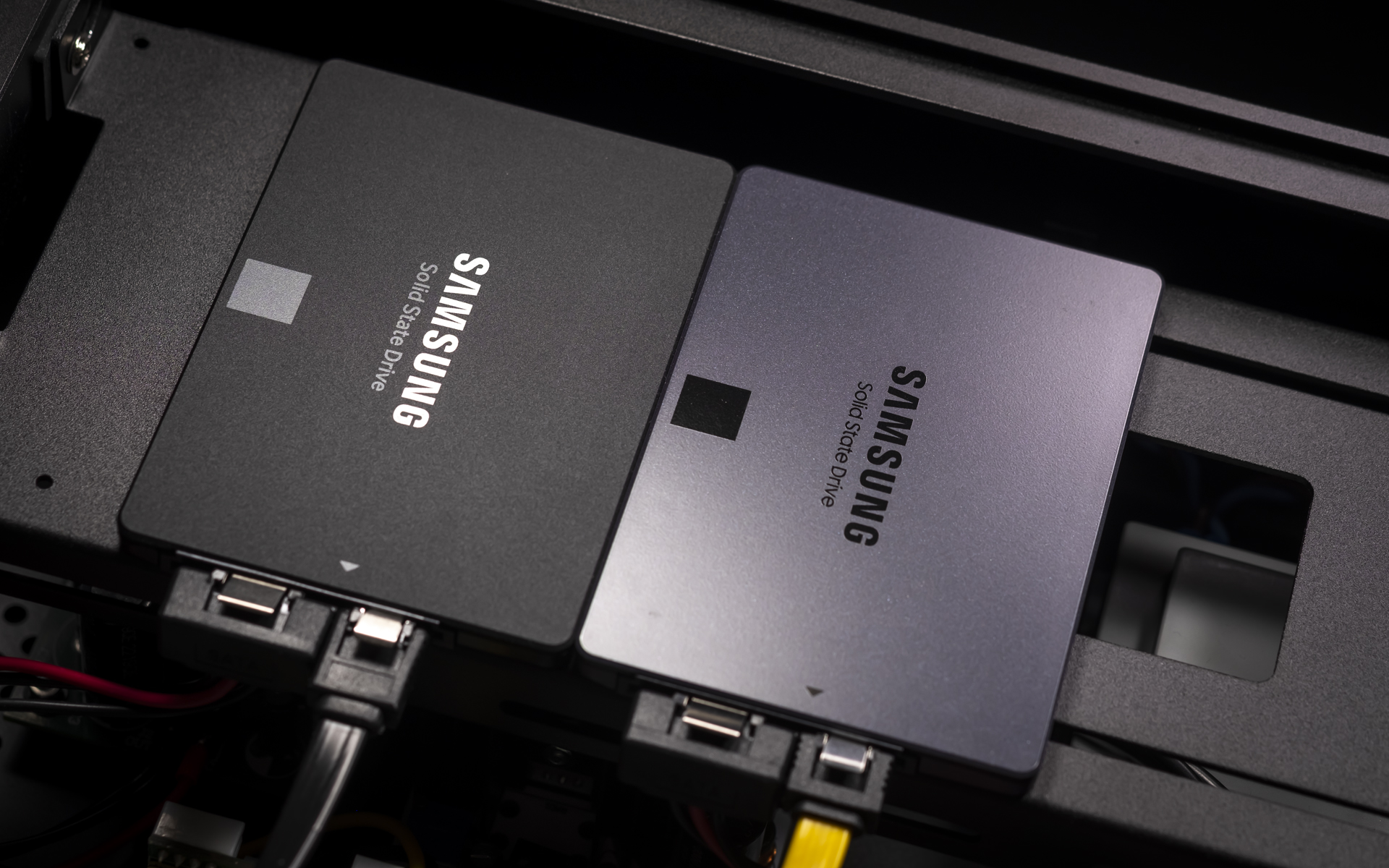 Upon the loaner’s arrival I asked Adam whether he had aimed at any particular sonic result. He nodded in approval, but a faint smile was all I got in return. Not that this was a trick question. The man simply wanted me to discover and unpack that finding on my own. Apparently he trusted that my hearing and descriptive palette were sufficiently capable, though he did mention that what the Base does is very clearly pronounced. So much so in fact that during internal tests several of his friends independently agreed on the machine’s general profile. Him not revealing that tuning beforehand was actually a smart move. Reviewers generally hate being told what they’re supposed to hear because they know perfectly well how strongly such suggestions bias perception from the get-go. The entire surprise then goes poof before the music even starts. I also couldn’t rely on memories of earlier Base prototypes because the finished version had changed substantially along the way. Should we however consider how much effort Adam put into his discrete power supplies and USB card, or rather how focused he was on reducing noise, well, pristine backdrop, generous color provision and other artsy aspects should clearly register in my system with the Base engaged. They did, but also so much more. Not only does it have a personality of its own, but it is also bold.
Before diving into specifics, for some extra context let me outline how the Innuos Statement Next-Gen reference sounds. A shy, timid or romantic sounding machine this is not. Quite the opposite. Its general profile revolves around authority, immediacy and broadly understood physicality. What this streamer particularly excels at is bass delivered with unusually convincing combination of reach, grip, and sheer shove. It sounds powerful and visceral in a way that tends to register physically as much as sonically, especially on material loaded with energetic low-frequency content. The Next-Gen is also exceptionally quick on its feet. Its ability to start and stop bass pulses with great precision injects music with momentum, torque and excitement that routinely translates into involuntary foot tapping. Importantly, all this potency doesn’t come at the expense of refinement or spatial sophistication. The machine additionally paints large vivid soundscapes populated by generously saturated and tactile sound sources outlined with very convincing precision. Voices in particular benefit from this approach by sounding tangible, fleshy and alive instead of merely well separated in space. Overall the Statement Next-Gen combines muscularity and dynamic swagger with color density and spatial generosity in a way that makes music feel unusually animated, physically present and intense. That’s its personality and, in my system, I haven’t yet heard anything better.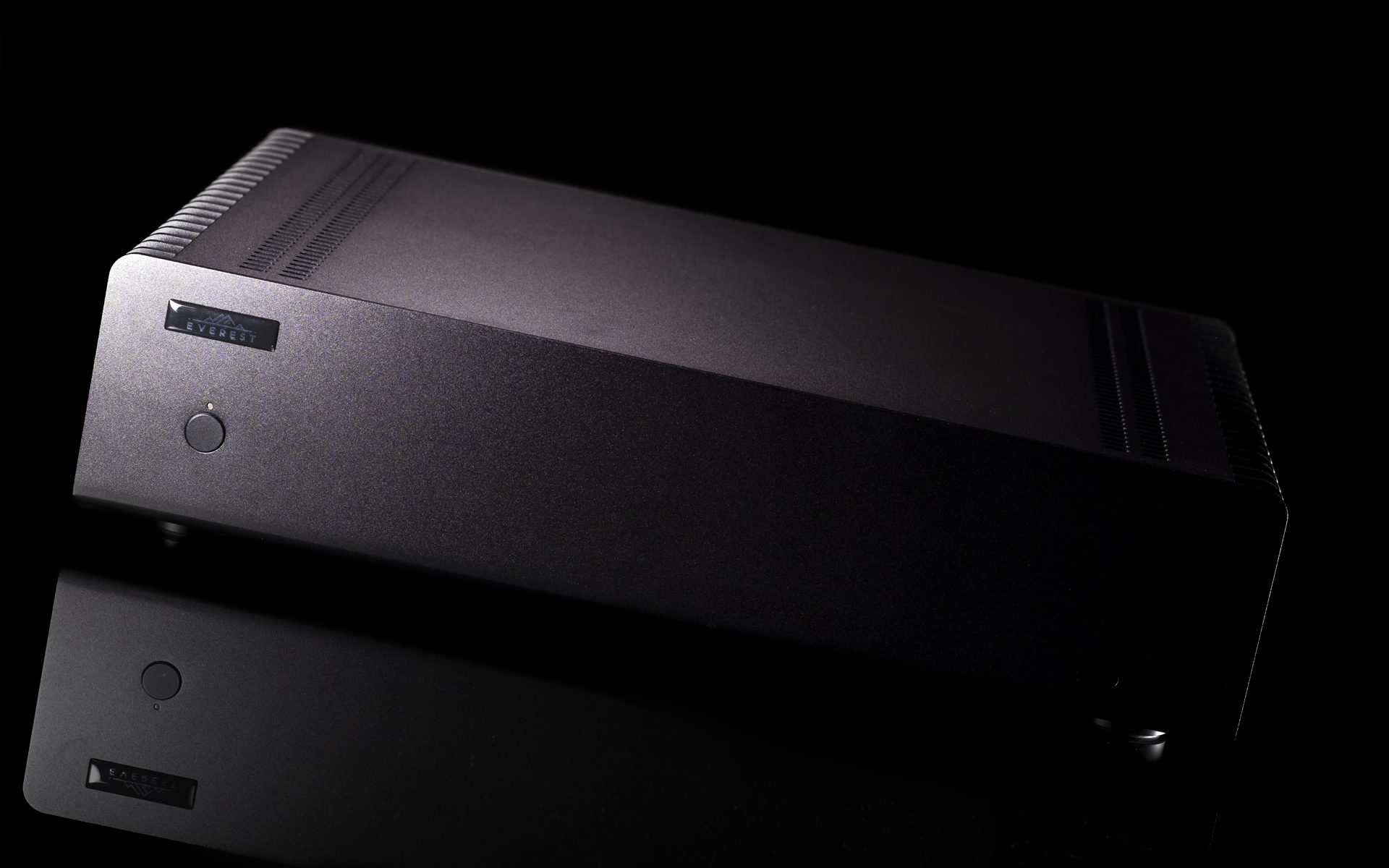 In the context of my stationary Innuos Statement Next-Gen, getting an aural fix on how the Base behaved didn’t take long at all. Descriptive measures that best summarize its voicing comprise background blackness, big tone and richness as forecasted, but that still tells merely a part of the story. In essence, my system with the Base audibly prioritized meat on the bones and generally shifted toward dense, heavy, atmospheric, and corporeal presentation. This wasn’t about artificial warmth or syrupy beautification, but rather about sound carrying greater physical substance and scale. Cue up “Feel Good Hit of the Summer” by Queens of the Stone Age that runs on a tight driving uptempo beat, with guitars packed so densely with fuzz and compression that the whole track feels overheated and claustrophobic, as if the amps redlined the entire time. On such fare the Base was simply brilliant and very much in its element. It made the track feel gloriously overdriven, filthy and satisfyingly oppressive without blurring its internal pacing or rhythmic discipline. It was the other way around. The Everest seemed to lean into this aesthetic with obvious confidence, preserving all the grime and aggression while simultaneously making the whole thing feel threedimensional, and physically anchored. Then I listened to my latest finding by hackedepicciotto. “The Silver Threshold” feels massive and ritualistic, built on a pounding tempo where the heaviness comes less from distortion and more from sheer weight and tension. The guitars, strings and hurdy-gurdy smear together into a dense cinematic drone hanging in the air like storm clouds, which gives the track crushing hypnotic gravity and that peculiar sense of impending dread. Let me stress again that the Base absolutely thrived on this kind of material. It rendered the song with remarkable density and scale, but also with enough composure and spatial order to prevent the intentionally unsettling vibe from collapsing into mush. The whole presentation felt monumentally dark and heavy in a way that had me repeatedly reaching for replay. I could go on like this with many more not exactly audiophile recordings and portray them as ace stuff for the Base. That however would still undersell what this machine is all about.
Past the experiences above, for a long while I deemed the Base’s ability to handle heavy atmospheric bits on my playlist as its primary specialty. Now I know that this constitutes one half of where it truly shines. Once I detoured from that repertoire toward more, shall we say, listenable and lighter fare, the other half gradually revealed itself. “Niğde Bağları” by Altın Gün pulses with tightly controlled rhythmic energy that fires off in short sharp bursts. Every instrument feels spring-loaded here. Quick percussive hits, clipped grooves and sudden psychedelic flares release tension in compact waves that keep the whole thing wonderfully restless and dancey. On this track and also the same band’s even more upbeat and snappier “Doktor Civanım”, Adam’s introductory machine revealed elasticity to be just as much its core asset as tone and heft. The way the Base handled these songs and later many more in similar vein was, by my standards, excellent. Normally we don’t expect audio products with a strong bias toward anchoring, saturation and color density to excel at control, composure and snap. Hardware voiced that way usually seduces us with a more relaxed, round, and fatty perspective I often describe as charming. The Base isn’t that. At its core this machine sounds fast, controlled and rhythmically alert, just with generously developed muscle tissue wrapped around all that athleticism. My point here is fairly simple. When we see a bodybuilder who spends six days a week in the gym, we don’t exactly expect him to casually do the splits. Today’s hardware very much belongs to the bodybuilding camp, only far more nimble and flexible than its muscular appearance initially suggests. That right there is precisely what defines its personality.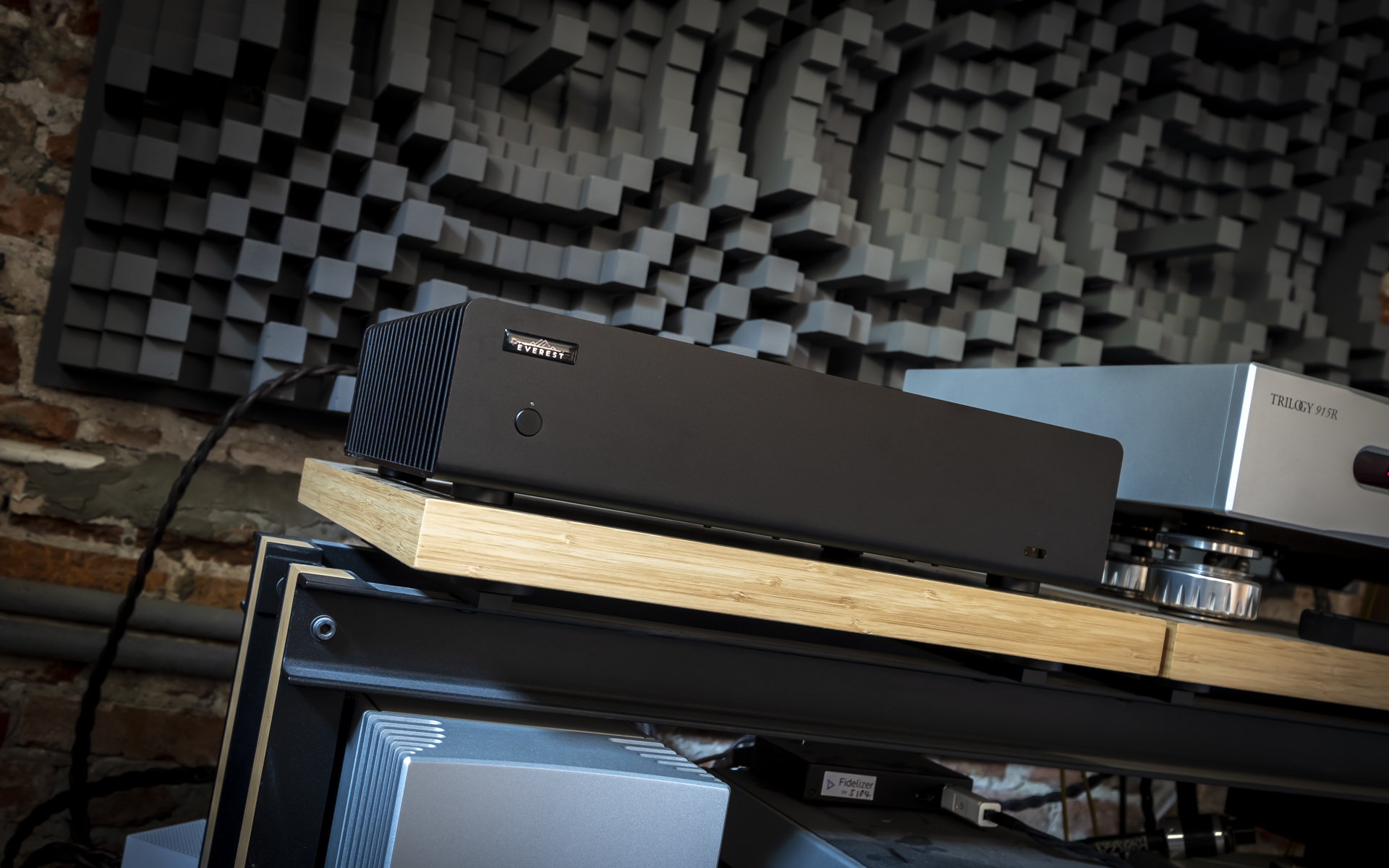 The Base’s beefy, tuneful and tactile character also registered very well on minimalist acoustic tracks built around female vocals accompanied by unamplified guitars. One acoustic version of “Sanctified” originally by Nine Inch Nails and here covered by female duo Lacey & Sara did the trick for me. I’m not entirely sure which one of the ladies handled vocals, but the Base rendered the performance with very convincing outline precision, articulation, generous internal fill and spot-on sensuality. The other obvious highlight of the song, a single acoustic guitar, keenly released lots of energy and tension while remaining entirely free from sharpness, excessive leanness, heat or hollowness. Similar observations followed during listening to Luca Stricagnoli’s famous take on “The Last of the Mohicans”. The Base rendered that tune’s fingerpicked melody, body percussion and rhythmic accents in the kind of grand expressive manner that vividly demonstrates how a single guitar can sound orchestral and majestic. By my standards, there really was very little here to complain about.
As finessed and gifted as the introductory Everest already was, and as much as I genuinely adored how my system sounded with it engaged, in several regards the Innuos Statement Next-Gen still showed how much further one can push things. On counts such as dynamic span, openness, insight, precision, finely differentiated treble and outright resolving power, my daily driver had the upper hand. Against the Base it also felt somewhat leaner, more charged, fearless, radiant, intense and more contrasting overall. I can’t say that this delta surprised me. The Innuos simply is very special on all athletic fronts and keeping up with it on those terms is anything but easy. That status quo however doesn’t undermine what the Everest Base already is and has to offer. Out of curiosity, toward the end of my time with it I also fired up my backup server, the fidata HFAS1-S10U that currently adds €2’500 extra to today’s bill, just to see where it lands in this little hierarchy.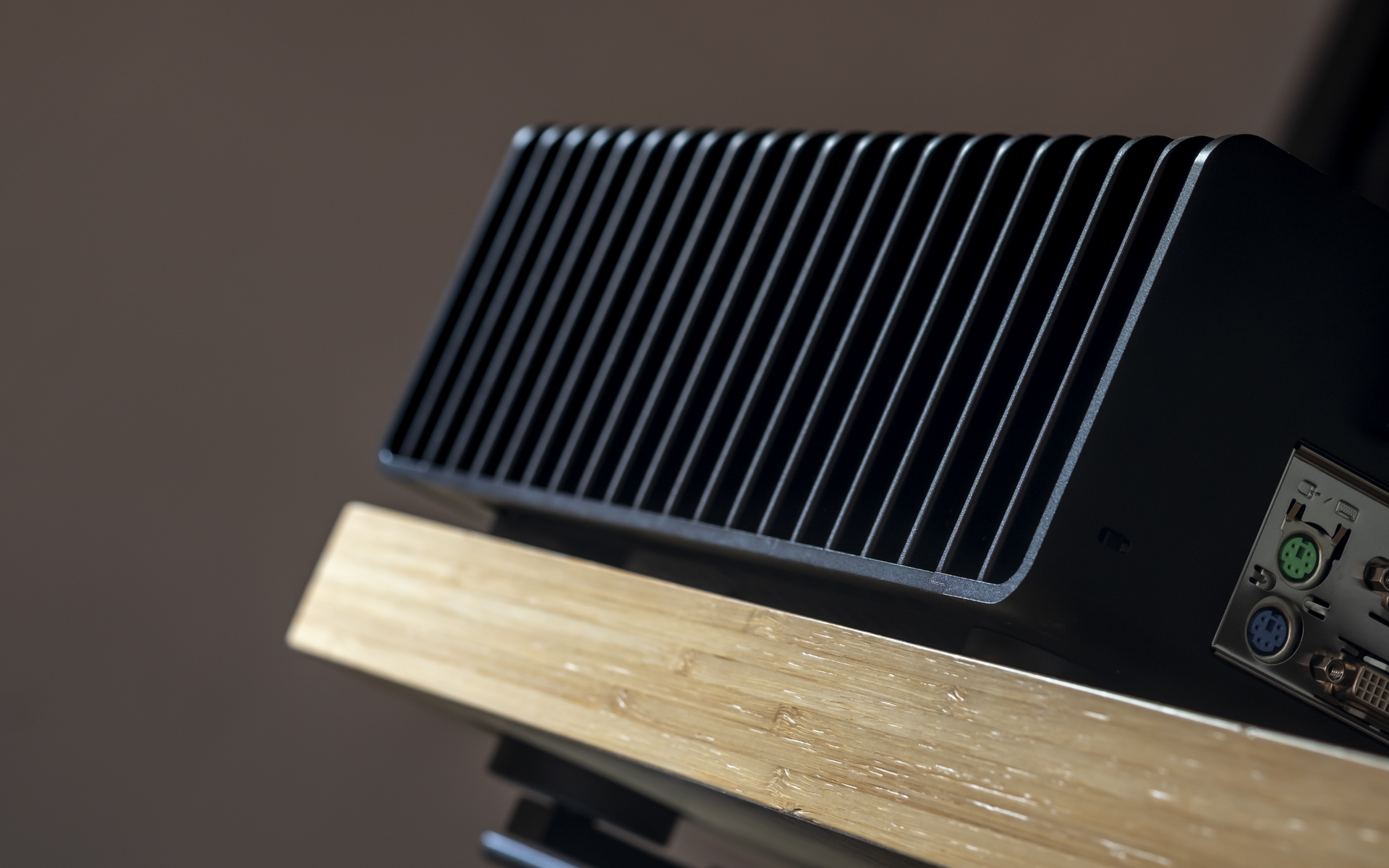 Long story short, the Japanese machine produced the most relaxed, voluptuous, warm and calm sound of the trio. By now it should also be clear that the Statement Next-Gen does a complete 180 in the opposite direction. In this context, the Base and fidata shared color intensity and richness to quite meaningful extent, yet in sporty regards the former sat far closer to my daily driver. When Adam came by to collect the loaner, I eventually asked whether this exact voicing was what he had aimed for. According to him, 100% spot on. He then revealed that he intentionally wanted his first device to sound vivid, generously saturated, elastic, and fresh simply because, to his ears, most streamers around this price point sound rather soulless and devoid of personality altogether. In short, he wanted to create a product that perhaps won’t resonate with every single listener, but actually has a distinct sonic footprint of its own. He succeeded big time. Let’s wrap.
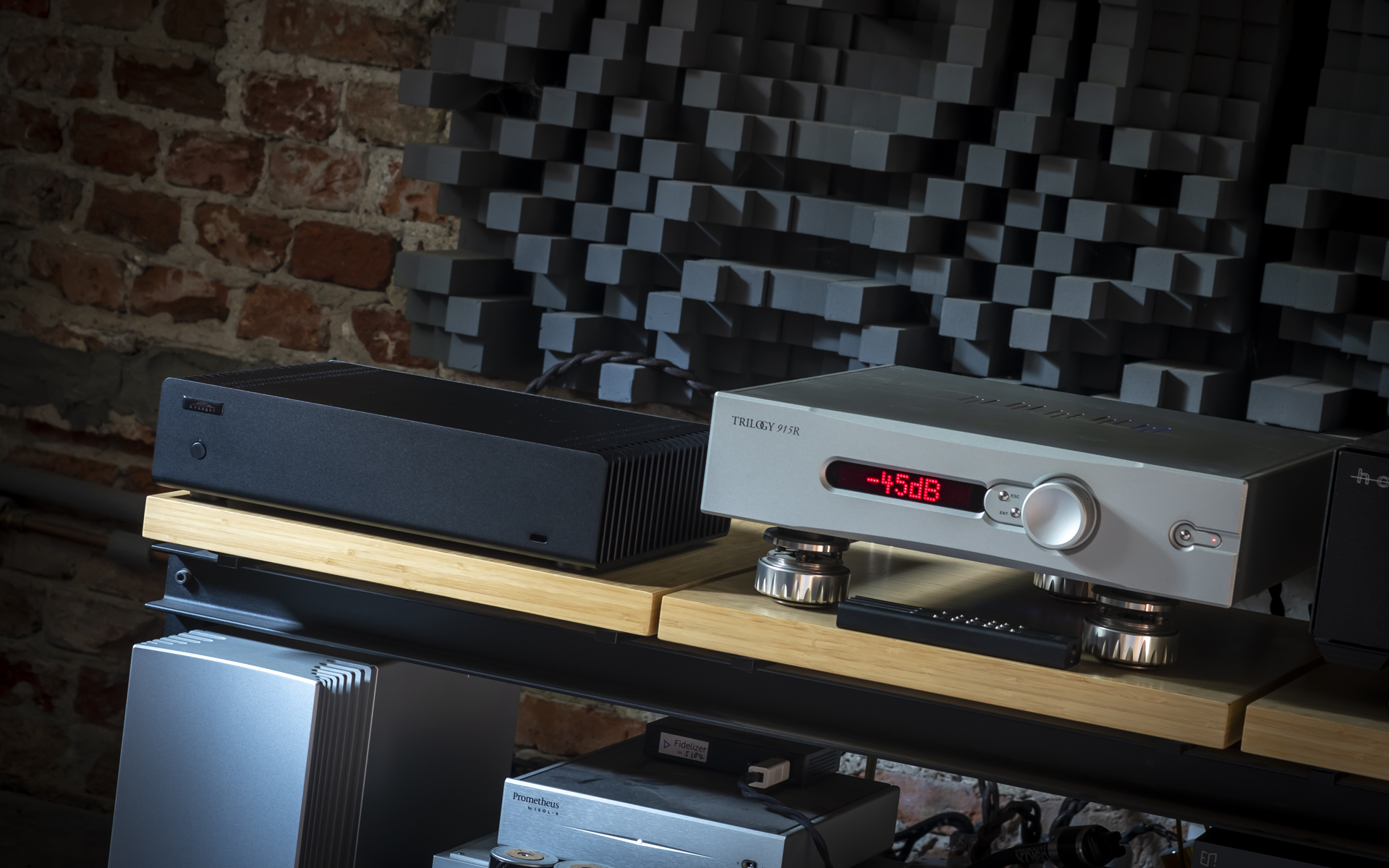
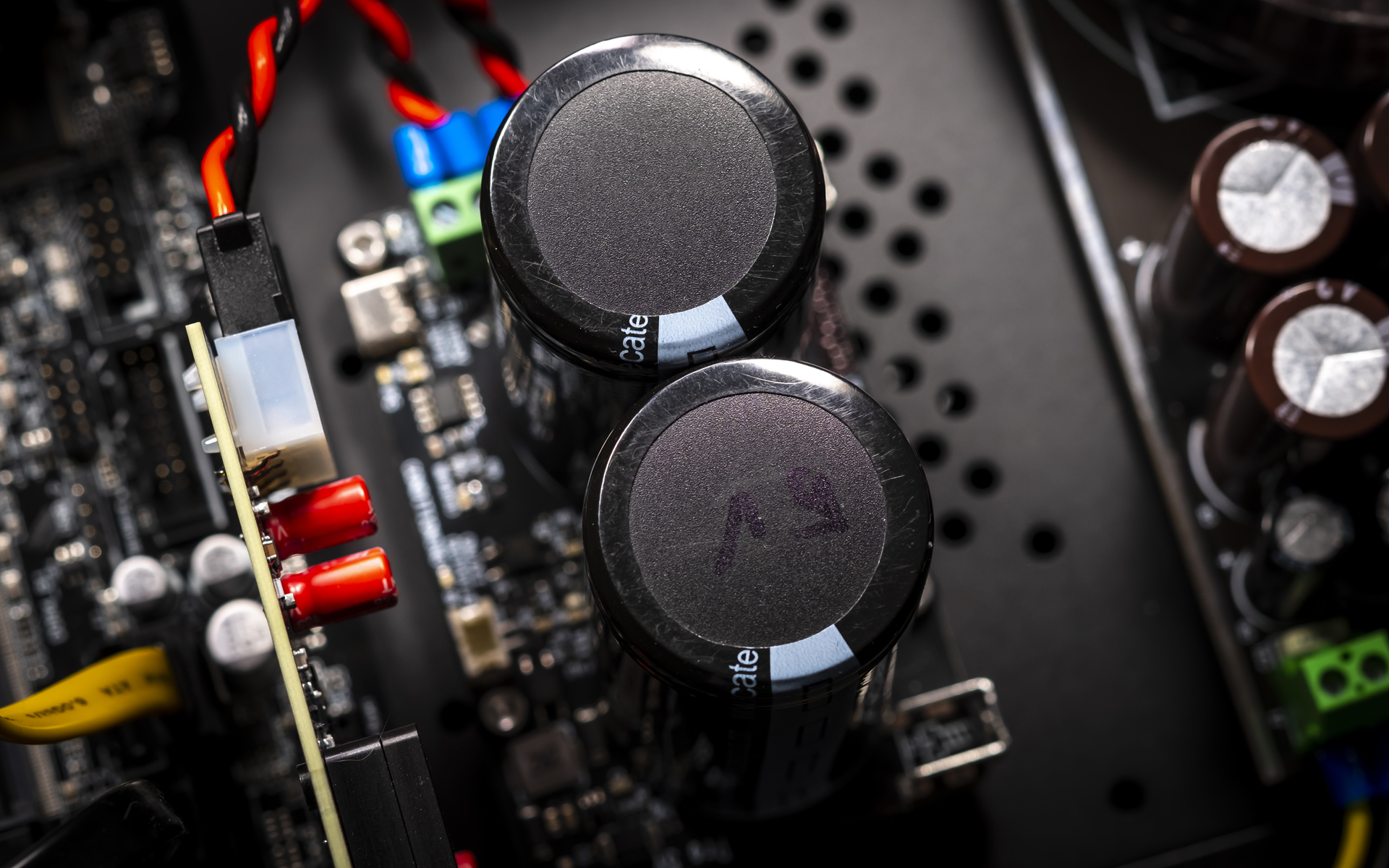
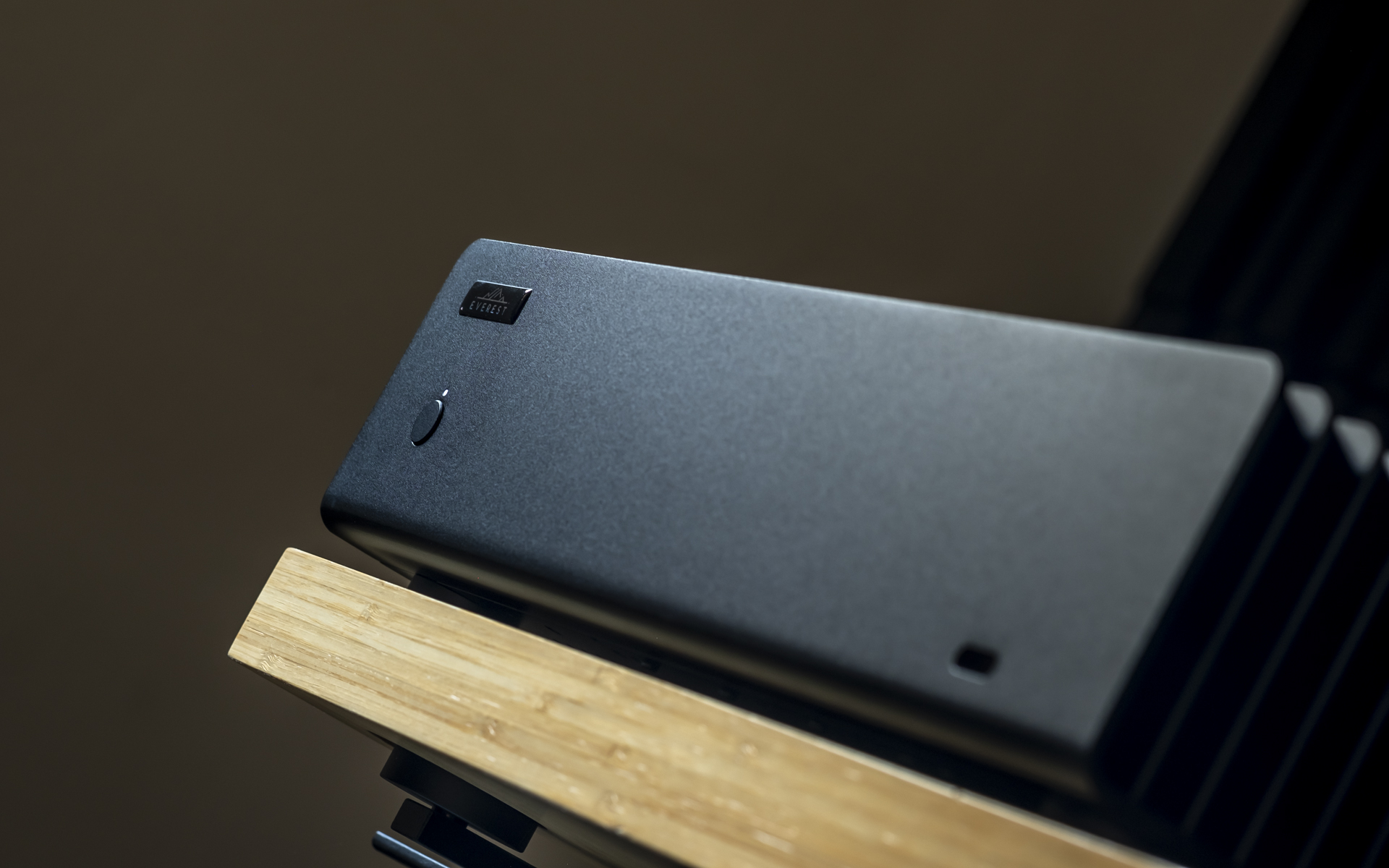
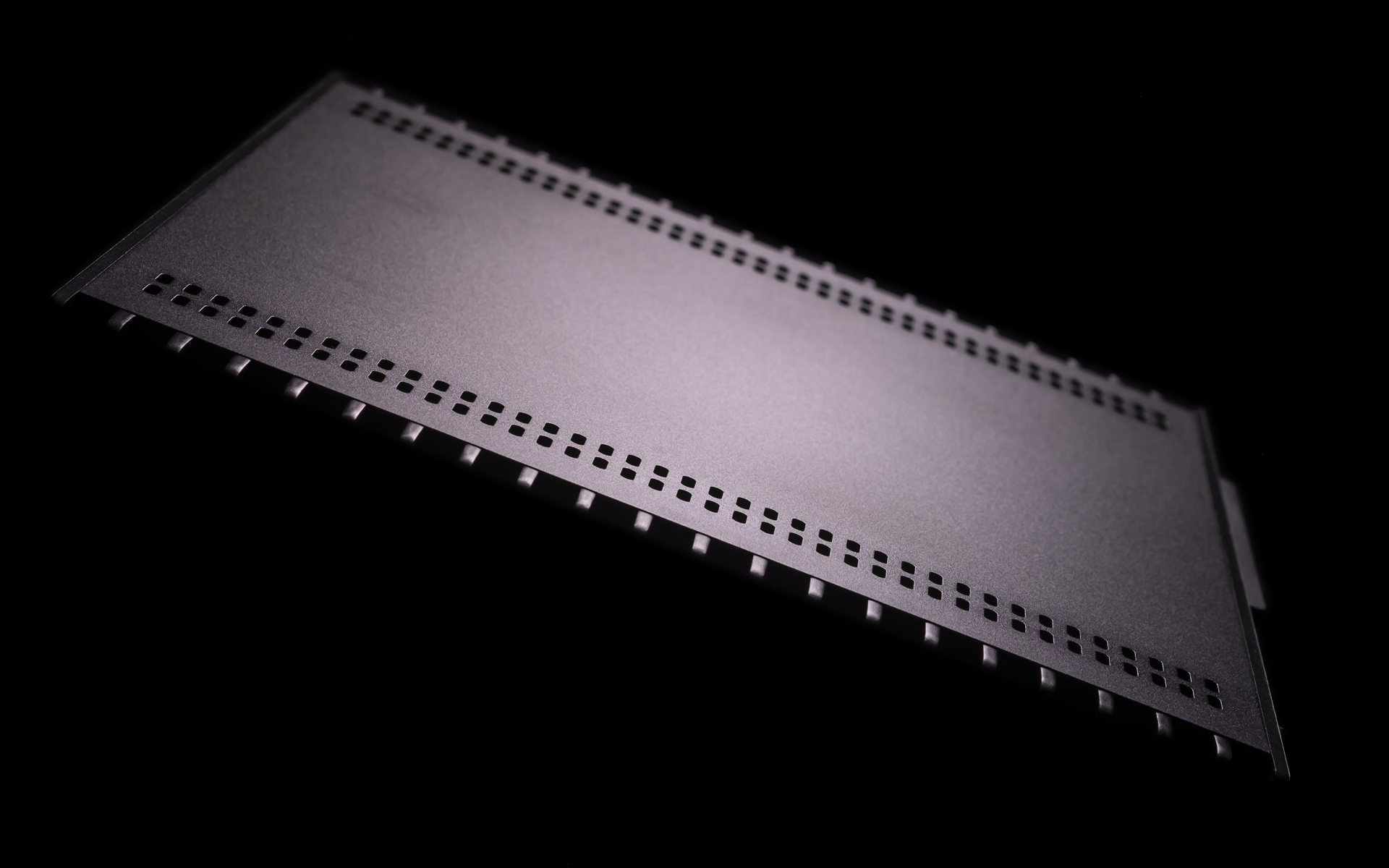
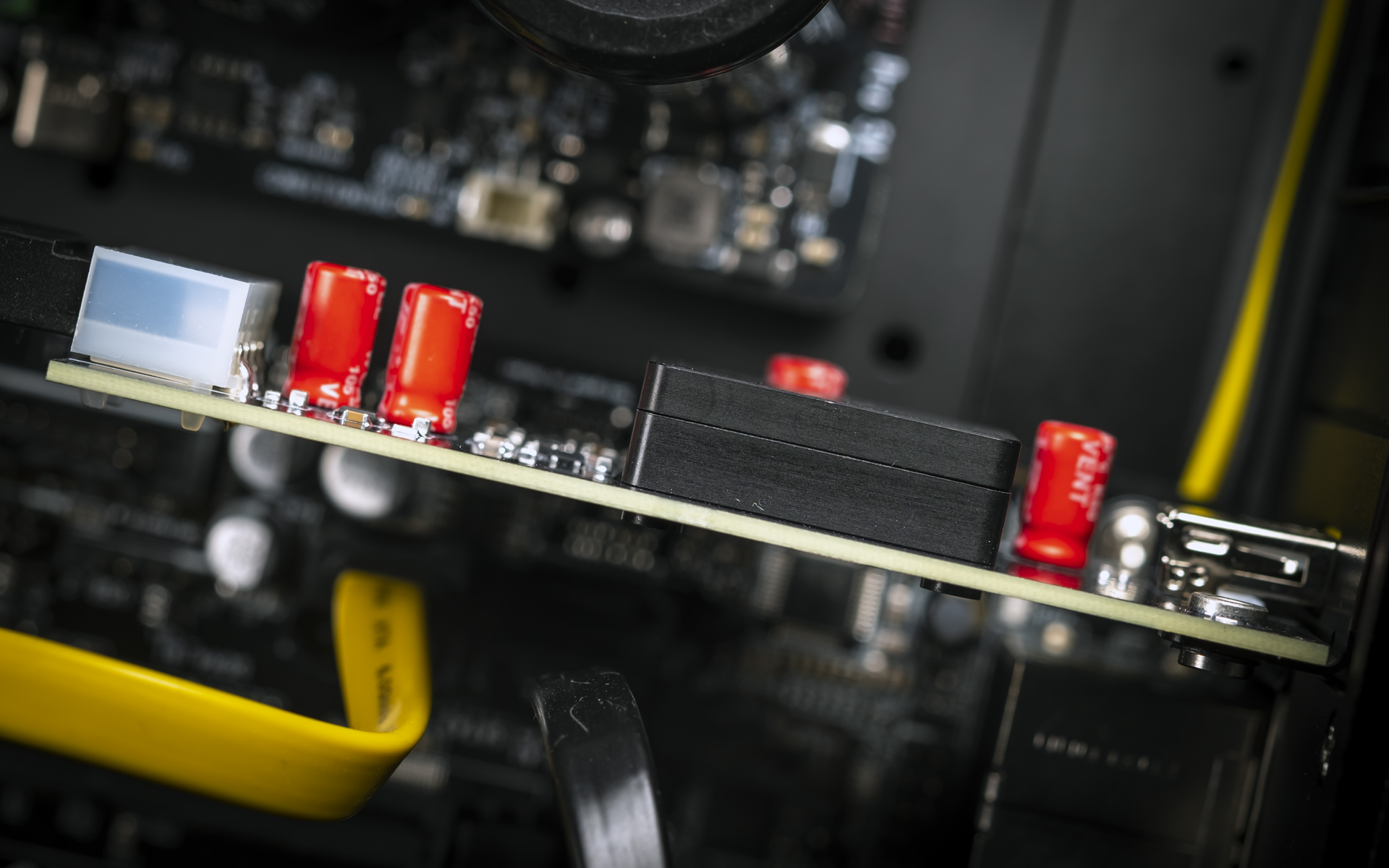
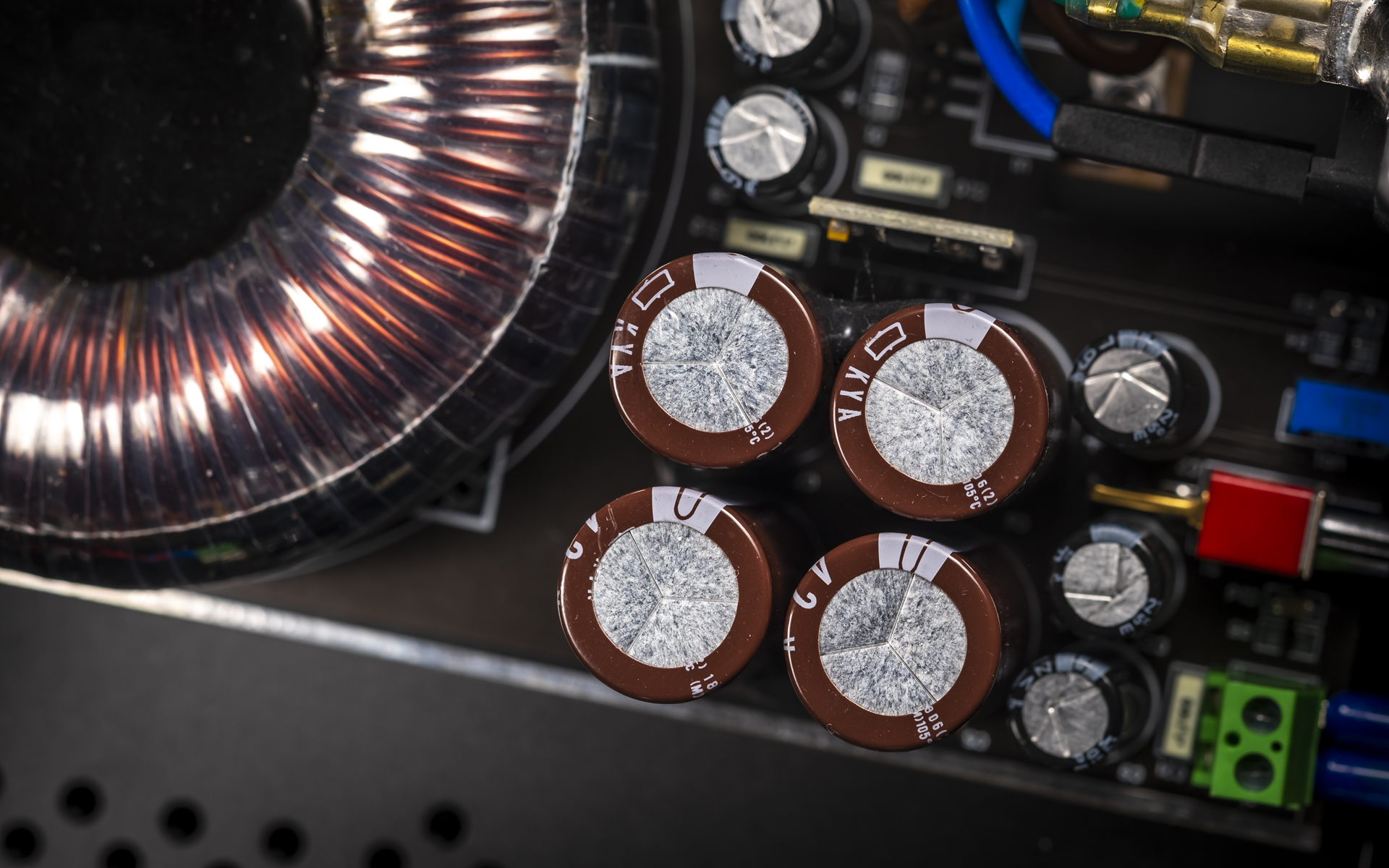
While on looks alone the Everest Base may be taken for yet another DIY attempt disguised inside the same box, its interior communicates just how far removed it actually is from such narratives. Adam has the experience, listening mileage and industry contacts necessary to pull off the kind of R&D newcomer businesses very rarely can, let alone most forum hobbyists no matter how advanced they are on the streaming subject. Proprietary USB output, wicked power supply implementation and customized software already see to that. More importantly, none of this engineering know-how exists merely to look impressive on paper. Today’s device goes about its business in truly excellent, enjoyably adult fashion, which isn’t too shabby for the brand’s entry-level commercial effort. Then again, let’s not forget that base camp at Mount Everest still sits very, very high. Props to Adam for pursuing his passion, turning the Base project into reality, injecting a lot of character into it and not charging an arm and a leg for the pleasure. My man!
Associated Equipment:
- Amplifier: Trilogy 995R, FirstWatt F7, Enleum AMP-23R
- DAC: LampizatOr Horizon360 (Stradi 5U4G + Psvane Summit 4x KT88 / 2x 6SN7)
- Speakers: Boenicke Audio W11 SE+, sound|kaos Vox 3afw
- Transport: Innuos Statement, fidata HFAS1-S10U
- Preamplifier: Trilogy 915R, Thöress DFP
- Speaker cables: Boenicke Audio S3, LessLoss C-MARC
- Headphones: HifiMan Susvara Unveiled, Campfire Audio Cascade, Vision Ears VE5
- Speaker signal conditioning: LessLoss Firewall for Loudspeakers, Boenicke ComDev
- Anti-vibration conditioning: 6x Carbide Base Diamond (under streamer), 6x Carbide Base Micro Diamond with TwinDamp inserts and spikes (under DAC and pre), Stack Audio Auva 70(under speakers), 12x LessLoss Giant Steps (under streamer, DAC and pre), sound|kaos Vibra 68/30 (on standby), Virtual Hifi Vibron M/L/XL (on standby), Stack Audio Auva EQ (on standby)
- Interconnects: LessLoss Entropic Process C-MARC, Boenicke Audio IC3 CG
- Power components: Gigawatt PC-3 SE EVO+/LC-3 EVO, LessLoss C-MARC, LessLoss Entropic C-MARC, LessLoss Stellar C-MARC, LessLoss Power Distributor into Boenicke Audio Power Gate, ISOL-8 Prometheus, LessLoss Firewall 640x Stellar
- USB components: AudioPhonique Desire USB
- Rack: Franc Audio Accesories Wood Block Rack 1+3
- Network: Fidelizer EtherStream, Linksys WRT160N
- Music: NativeDSD
Retail prices of reviewed components in EU (incl. VAT):
- Everest Base: €4’999
Manufacturer: Everest Audio Labs