

For years, KECES has demonstrated that power delivery matters in audio far more than one might expect. With the Ewave, the Taiwanese manufacturer shows that this time it has also decided to bring order to the LAN network itself.
Making Waves
Not that long ago, it seemed that turntables and CD players were destined to remain the exclusive domain of a handful of die-hard enthusiasts. Today, however, both formats are enjoying a clear resurgence. Interestingly, this revival is taking place alongside the rapid expansion of file-based audio and streaming. As a result, traditional source components increasingly share shelf space with digital devices that would have been considered extravagant only a decade ago. Nowadays, nobody bats an eye at streamers or multi-chassis DACs carrying price tags comparable to those of a brand-new car.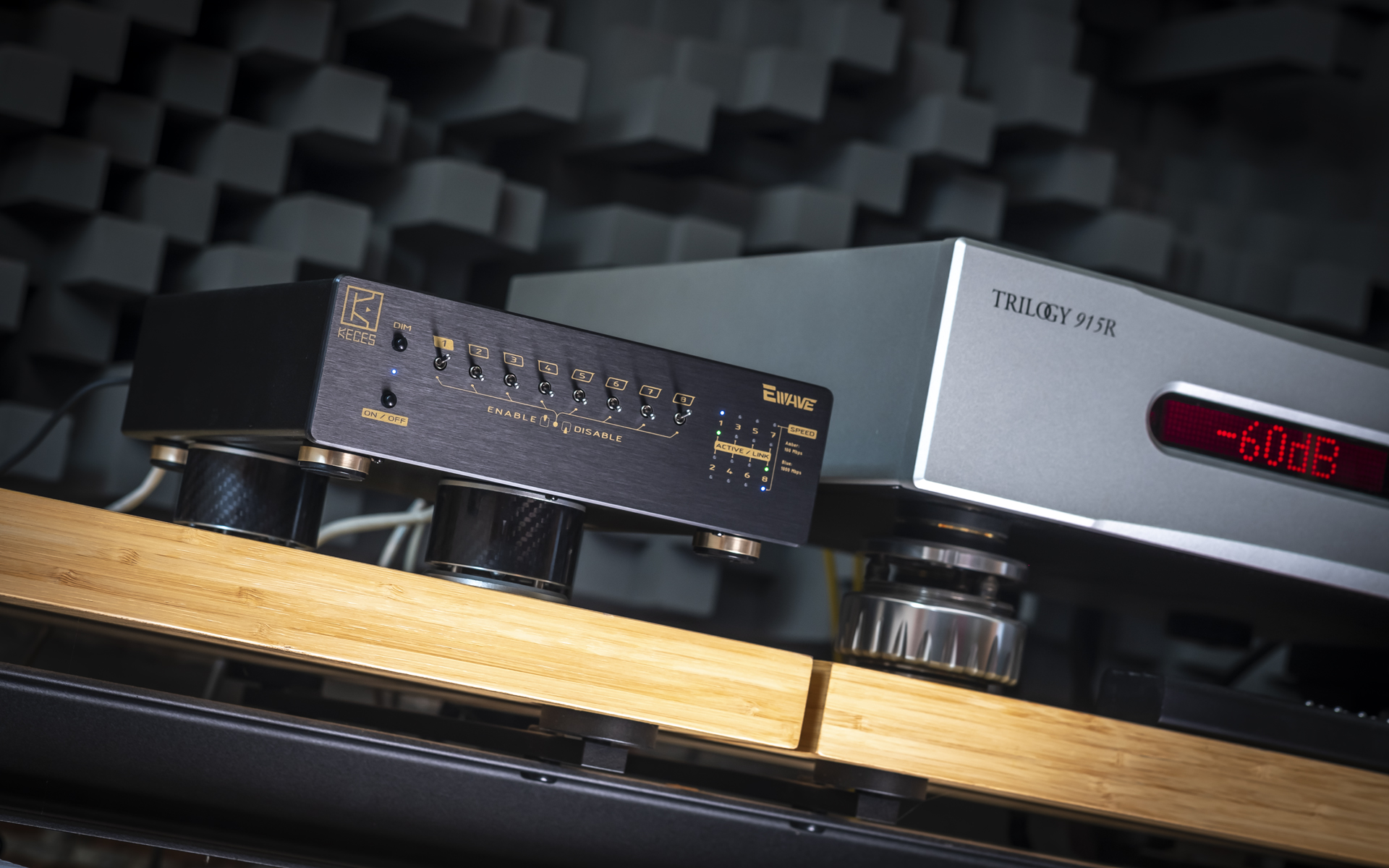 The sight of audiophile network switches is also gradually losing its shock value. In the IT world, their role appears deceptively simple: distribute LAN traffic and manage data flow. Hardly the most romantic job imaginable. The thing is, in audio, seemingly simple matters often turn out to be anything but. Otherwise, no one would invest time, money, and engineering effort into designing network switches that cost as much as a respectable integrated amplifier. Especially considering that the question of whether such devices genuinely influence sound quality or do absolutely nothing has fueled online debates for years with almost the same intensity as every new product launch in this category.
I no longer remember when the first LAN switch landed in my system. If I had to guess, it was sometime around 2019, perhaps even earlier. If memory serves me right, it was a rather expensive model from Telegärtner. Even before connecting it, I found myself facing quite a dilemma. On the one hand, someone had invested time, expertise, and money into designing a LAN switch specifically for audio applications. On the other, I found it genuinely difficult to believe that such a device could have any influence whatsoever on sound quality.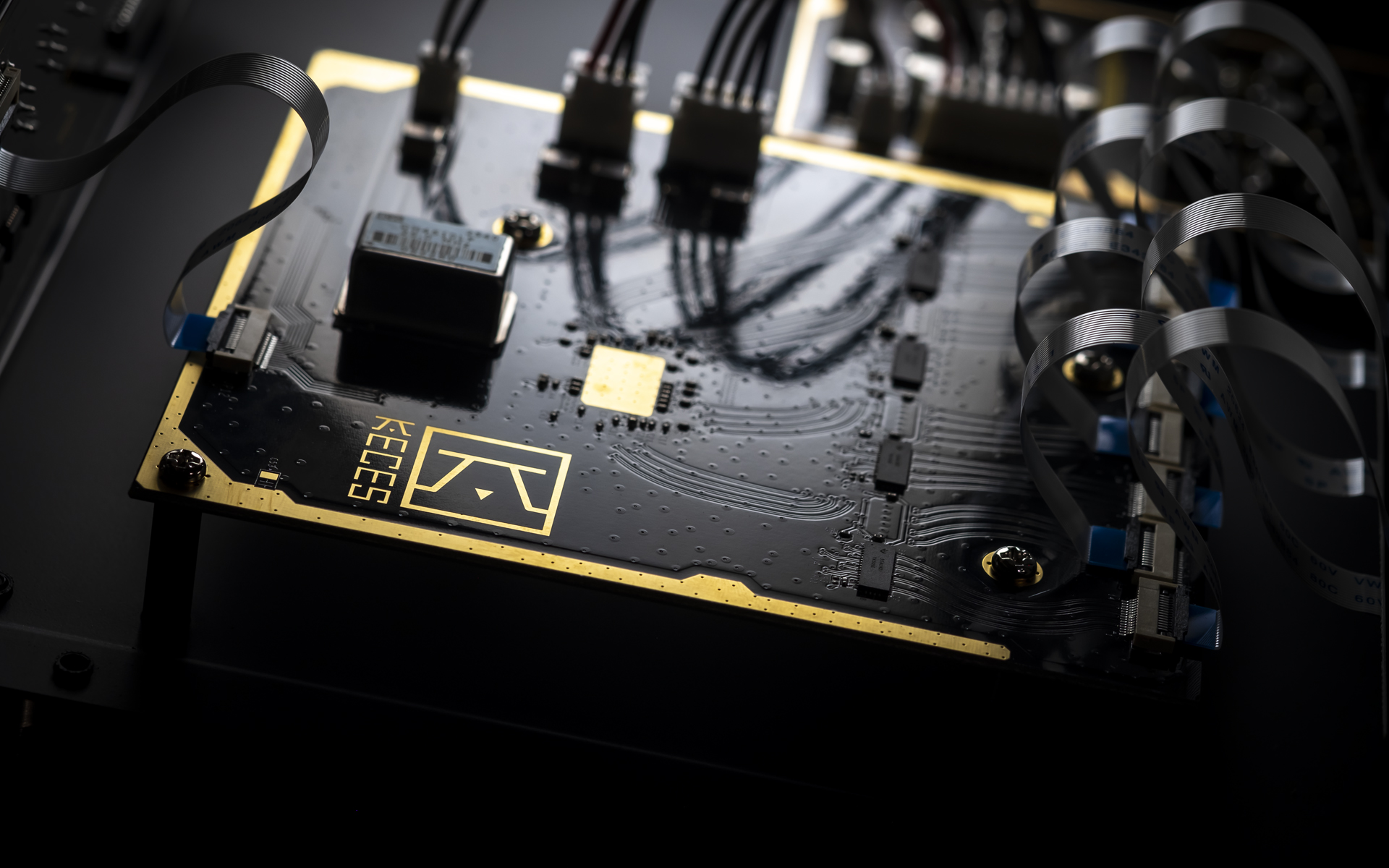 I approached the subject from a purely practical perspective. In my system, the router was responsible for internet access and Wi-Fi distribution, allowing me to control my streamer from a smartphone. It was hardly part of the audio chain itself. Adding a LAN switch downstream changed absolutely nothing in terms of functionality, so intuition suggested that nothing whatsoever should change sonically either. Even more so because I am not someone who listens to music from streaming services. Had I been a streaming user, I might at least have seen some logic in it. Instead, I’m a dinosaur who has been playing music from the SSD inside his own music server for years. That made it even harder to accept that a piece of networking infrastructure whose primary role is little more than providing an interface could have any bearing on what ultimately reaches my ears. Theory is one thing, practice another.
Being an audio reviewer certainly has its advantages. The most obvious one is the opportunity to evaluate products without having to spend your own money on them. If something turns out to be unimpressive, you simply pack it back into its box and send it home. Nobody gets offended, and the world keeps spinning. There is, however, another benefit that I value far more. Reviewing audio for a living has a funny way of teaching humility. Over time, accumulated experience has a remarkable way of verifying one’s own assumptions, knowledge, and prejudices. You regularly catch yourself realizing how many things once seemed self-evident when, in reality, they were anything but.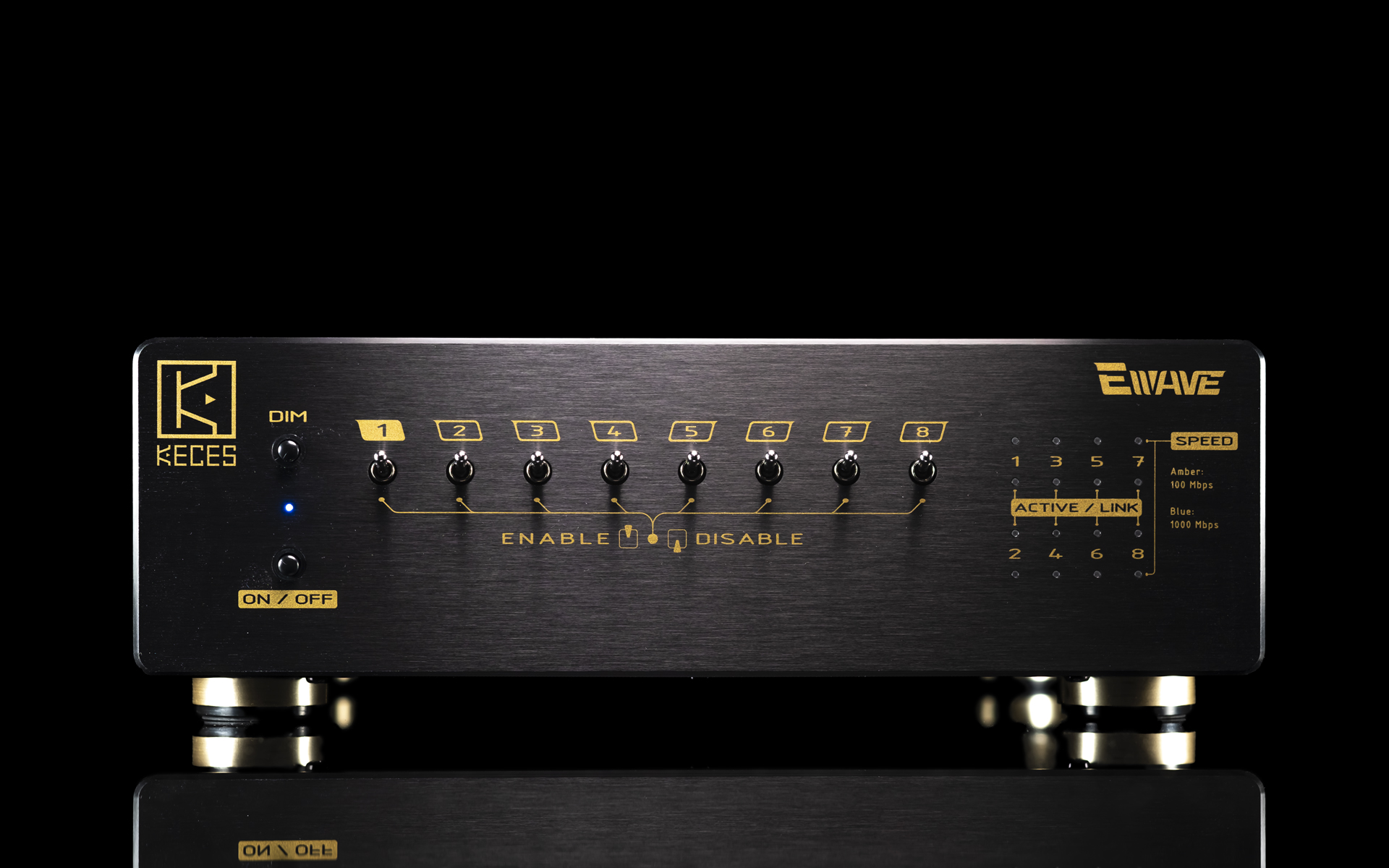 LAN switches are a perfect example. I approached them with considerable skepticism, yet regardless of the prevailing opinions surrounding these devices, their impact on my system proved impossible to ignore, and at times surprisingly substantial. After several years and many conversations with the engineers behind these products, I began looking at them from a different perspective. Today, I believe that whatever they do for me as a listener has very little to do with their primary function of transmitting data.
As far as I’m concerned, they’re primarily about keeping noise at bay. Audio systems almost invariably reward effective isolation from the various forms of electrical contamination originating from the mains supply, the surrounding environment, or the network infrastructure itself. Seen from this angle, an audiophile LAN switch is not a device intended to “improve the Internet,” but rather another barrier that limits the intrusion of unwanted noise into the audio chain. The ideal scenario? One where the router plays no role in my system whatsoever. Unfortunately, it has to. Without it, convenient streamer control simply wouldn’t exist. Since its presence is unavoidable, I much prefer having a device placed between it and the rest of the system that introduces no additional noise of its own while simultaneously reducing interference coming from the network infrastructure. At least in my opinion, that is the primary role of a dedicated audiophile LAN switch. And that is precisely why, whenever one arrives in my system, I usually hear an improvement. It would therefore be rather difficult to justify stopping the review of such devices simply because, at first glance, they should not work. Anyway, enough philosophizing. Let’s move on to the very product that inspired this article in the first place: the KECES Ewave network switch. The review sample was kindly provided by Audiofast, the brand’s Polish distributor.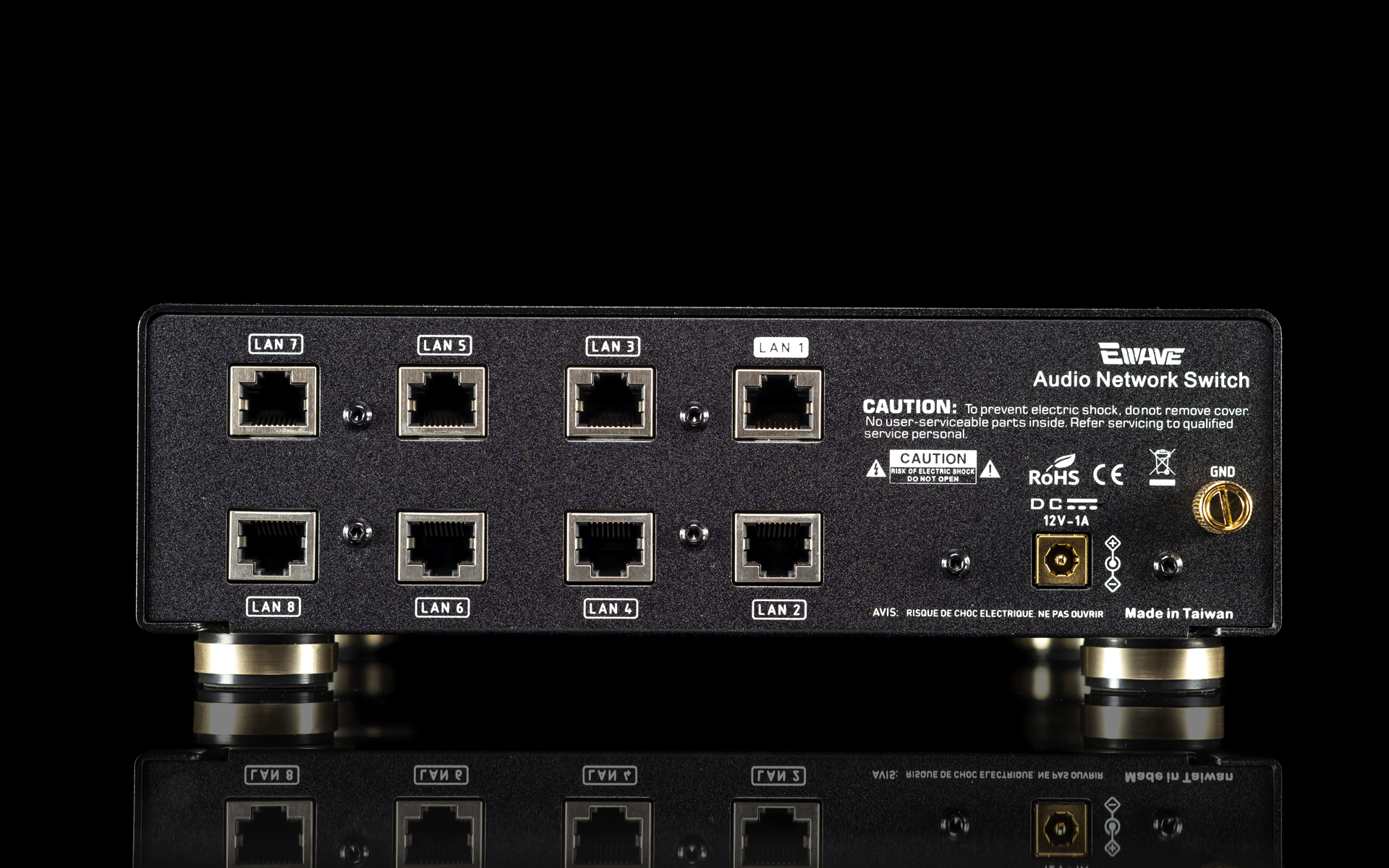
KECES has never been a company chasing attention through flashy marketing or an ever-expanding catalog of products. Founded in 2002, the Taiwanese manufacturer has developed its portfolio at its own pace, consistently focusing on engineering-driven solutions and, above all, power-related technologies. In practice, this translates into products designed with exceptionally low noise, high operational stability, and effective suppression of unwanted interference in mind. The KECES lineup consists primarily of linear power supplies, amplifiers, DACs, phono stages, and several other components united by this very design philosophy.
Viewed from this perspective, the arrival of the Ewave doesn’t surprise me in the slightest. If KECES has spent more than two decades developing products where power quality and noise suppression take center stage, then venturing into audiophile network switches feels like the most natural thing in the world. Rather than jumping aboard the latest trend, this strikes me as a logical extension of the philosophy the company has pursued for years. The only question left was how successfully that philosophy had been translated into the actual product.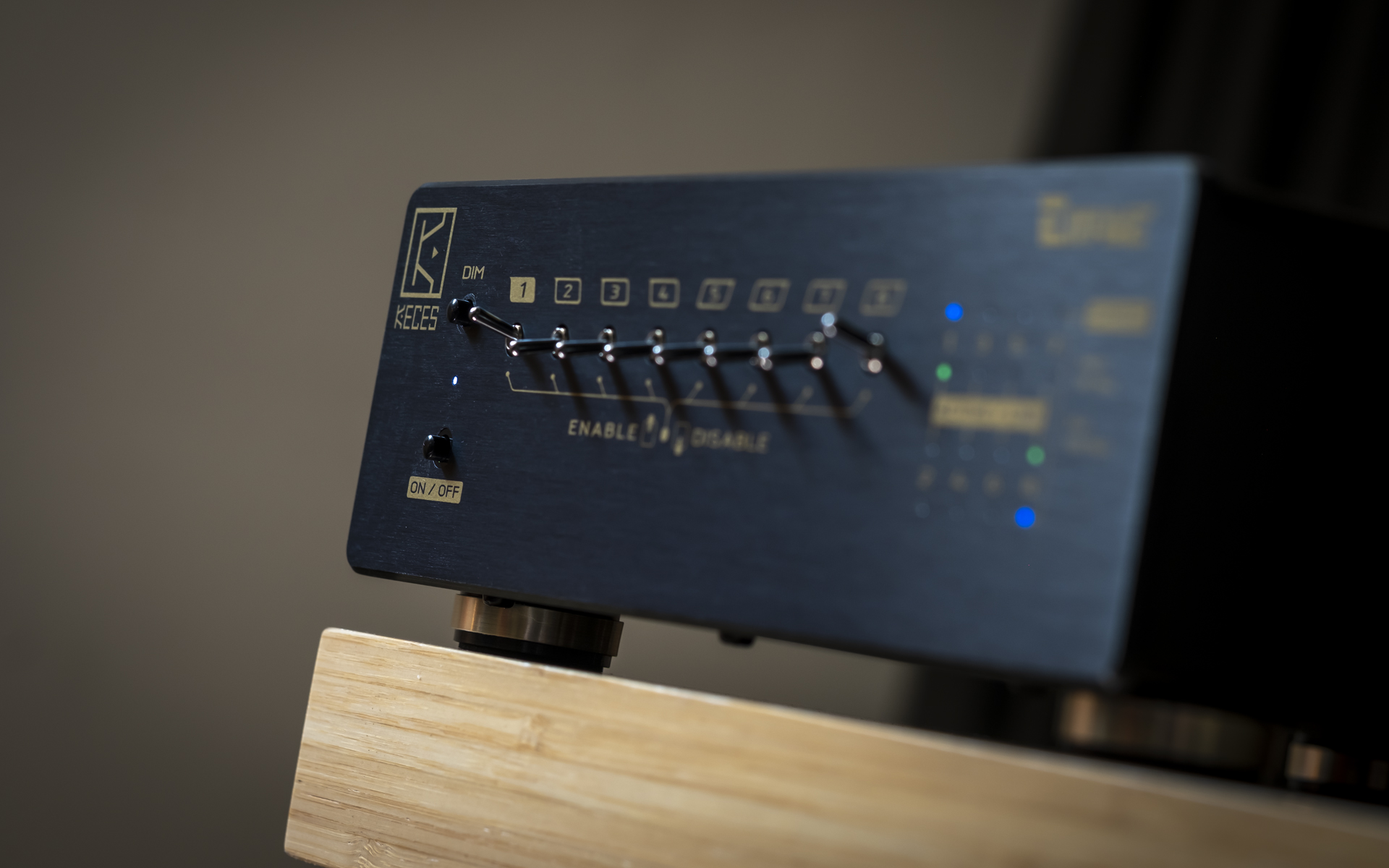 KECES doesn’t try to reinvent packaging, and that’s perfectly fine. The Ewave arrives in a sturdy cardboard box, securely sandwiched between two foam inserts and additionally protected by a thick plastic sleeve. It’s a tried-and-tested packaging solution that does exactly what it’s supposed to do: protect the unit during transport. Inside the box you’ll also find a standard 12 V / 1 A external switching power supply and basic documentation. Nothing more is needed.
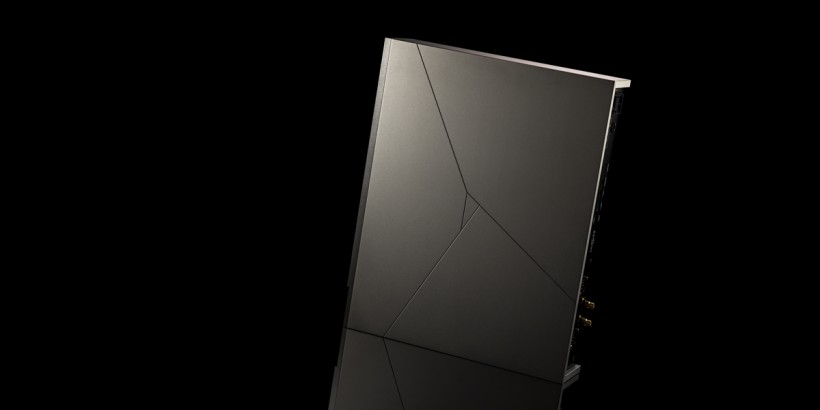
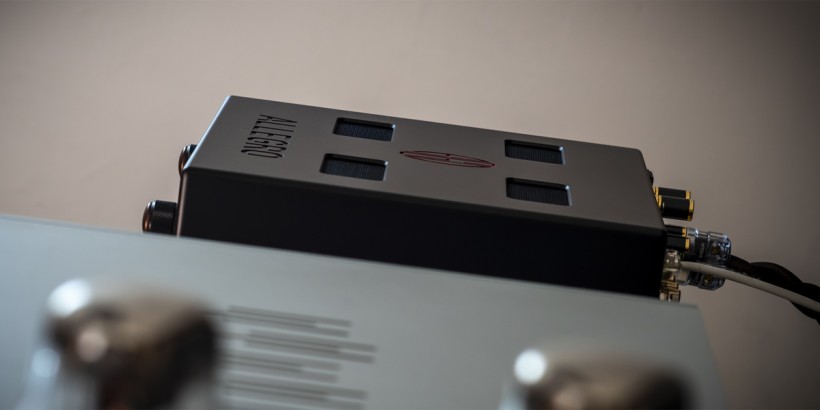
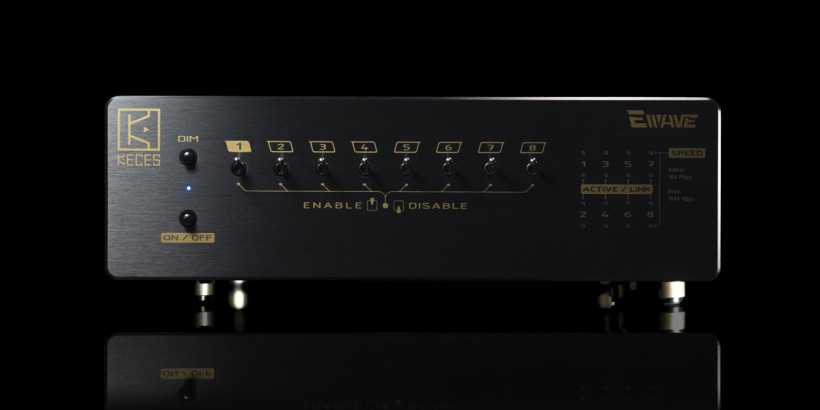
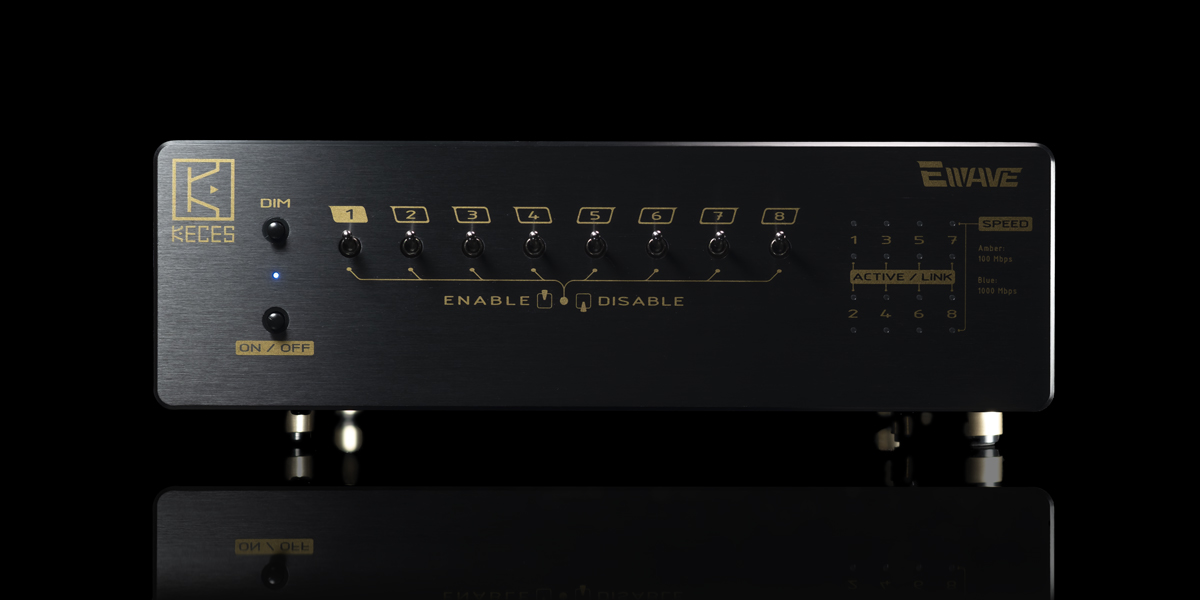
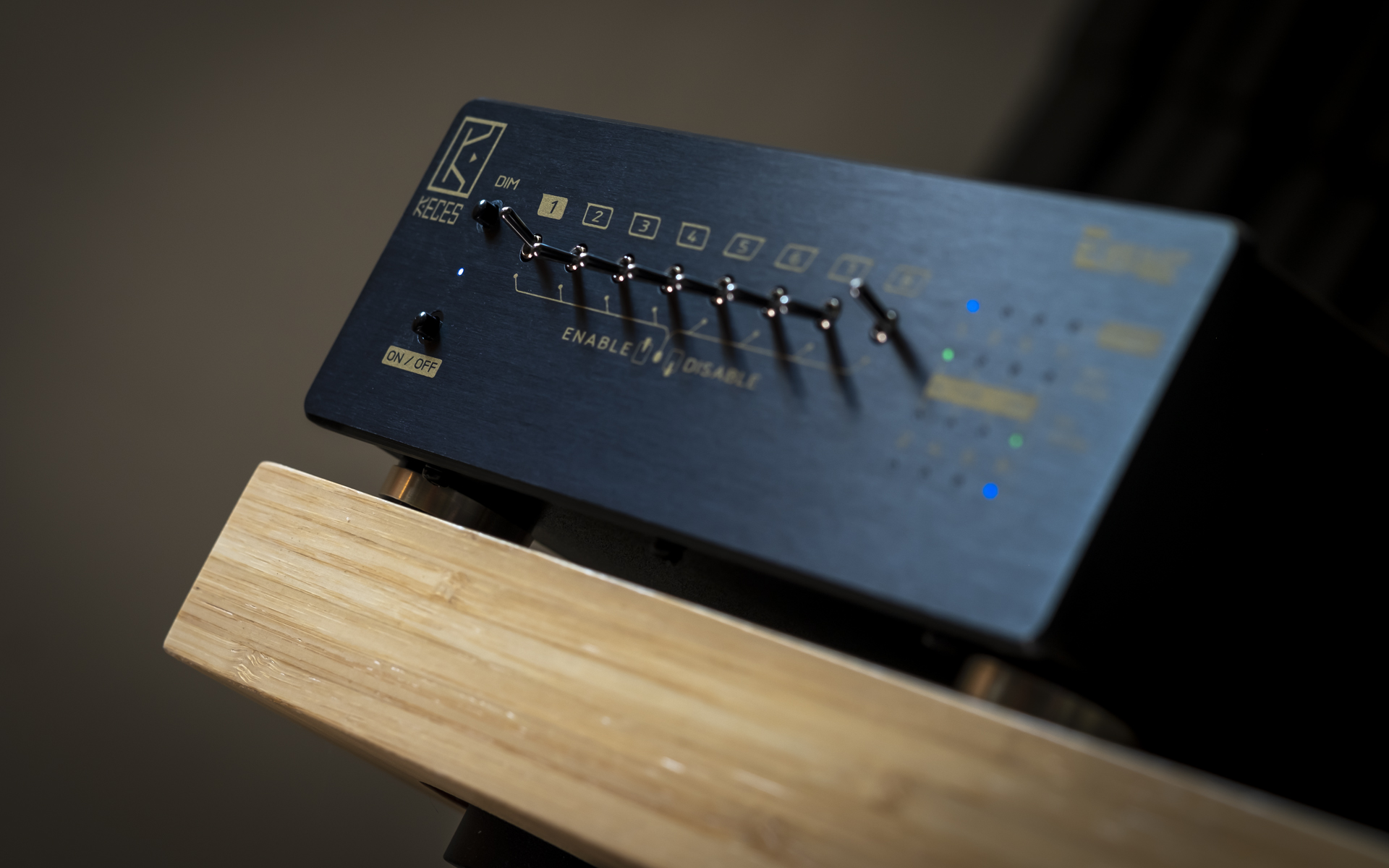
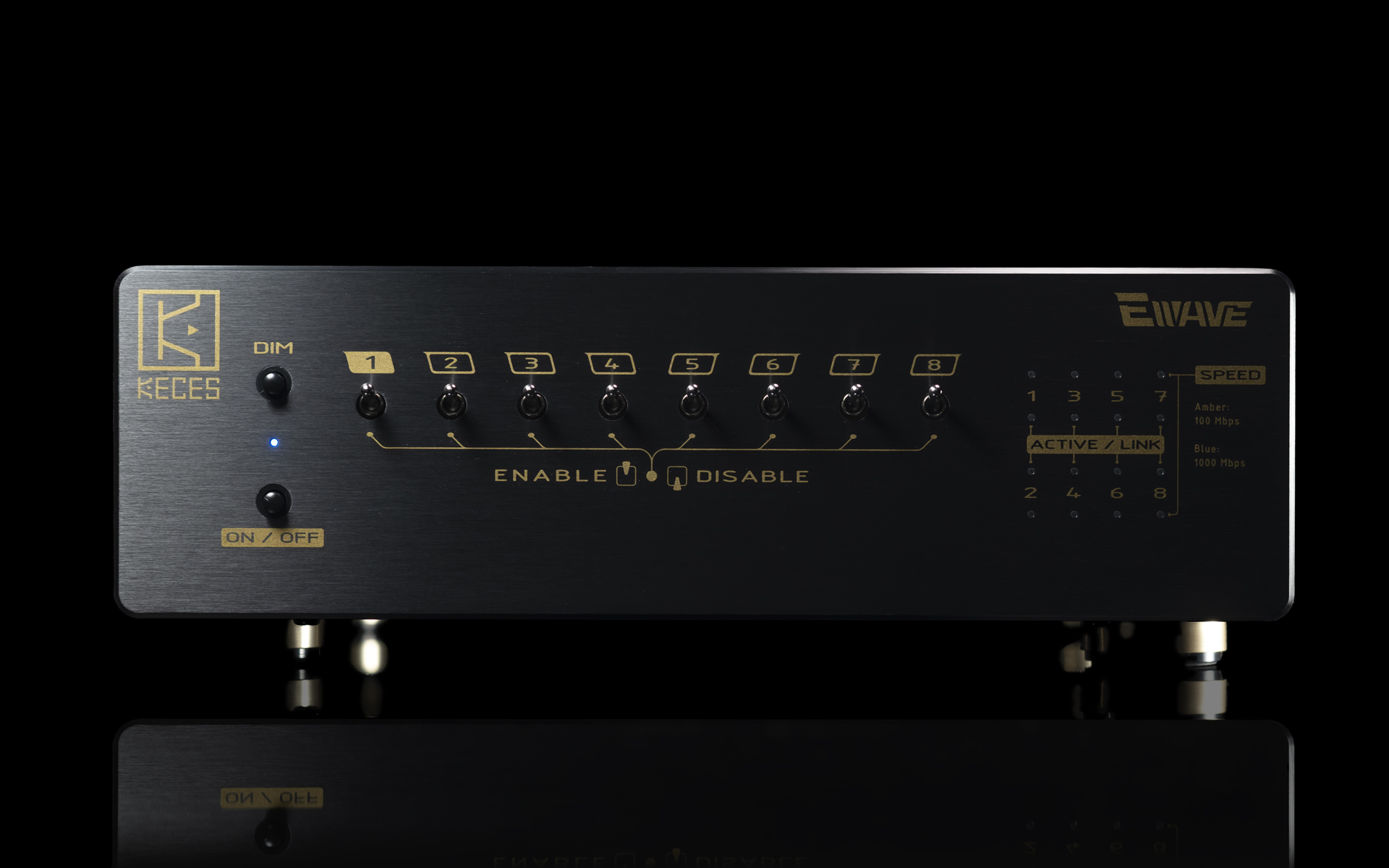
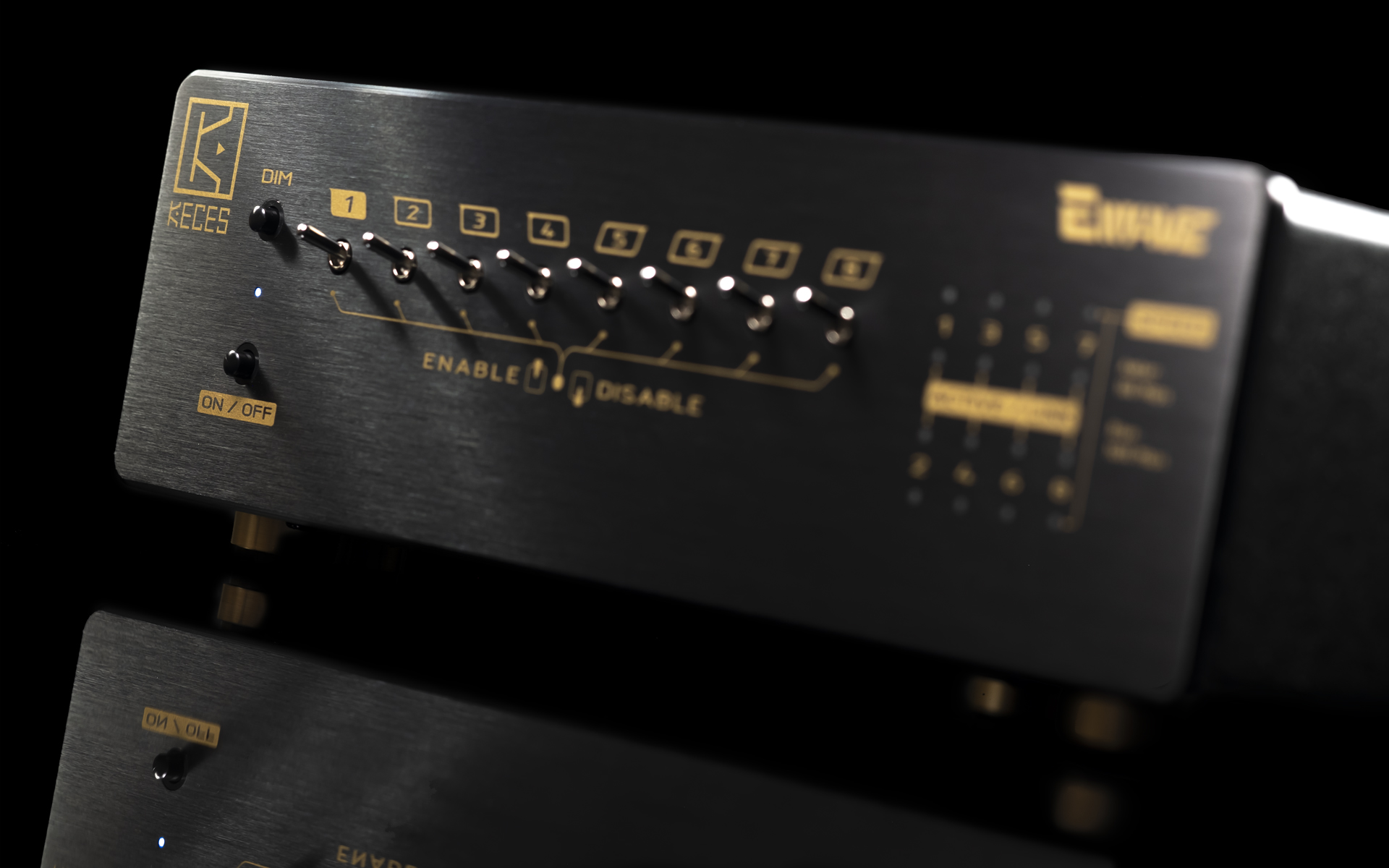
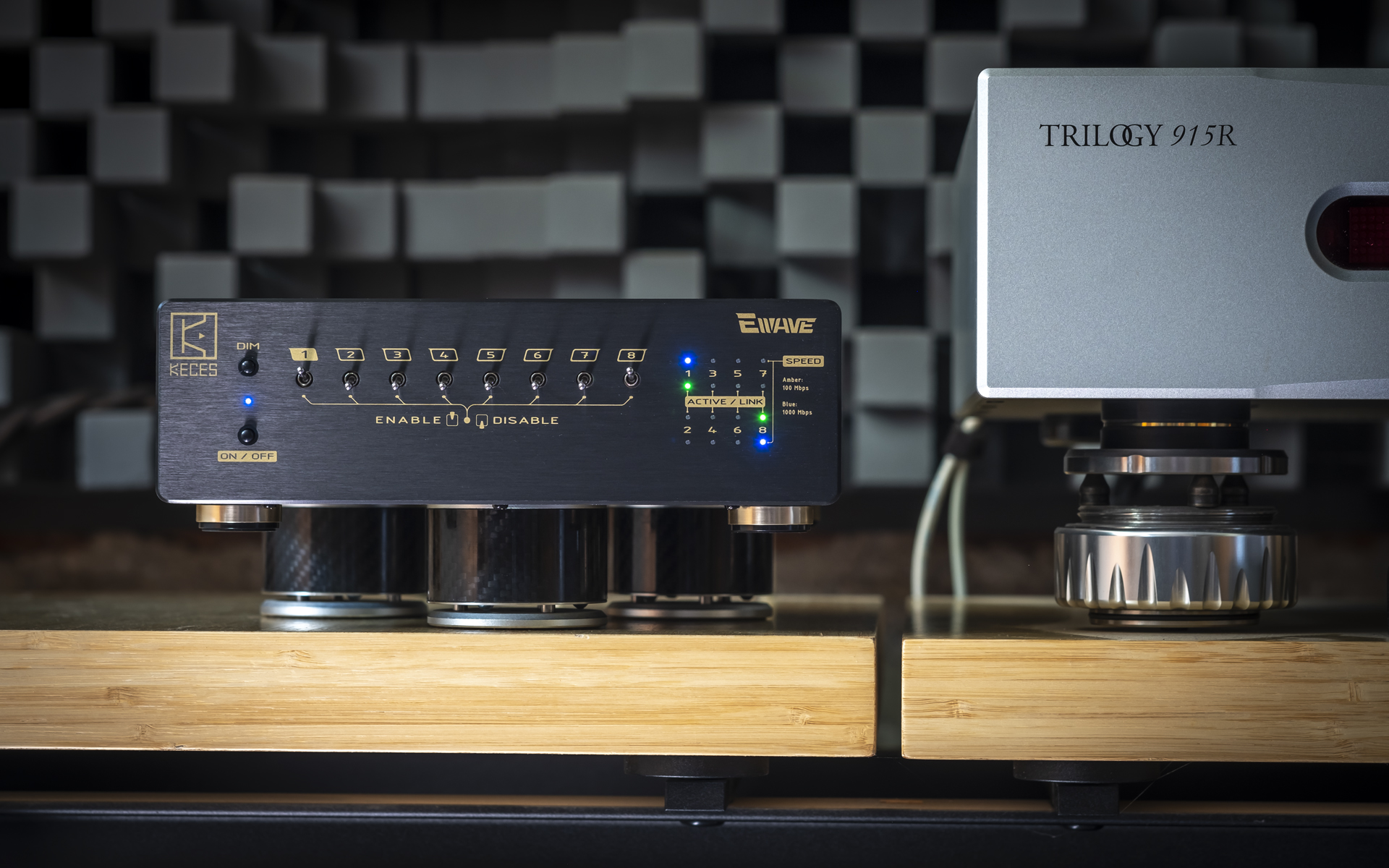
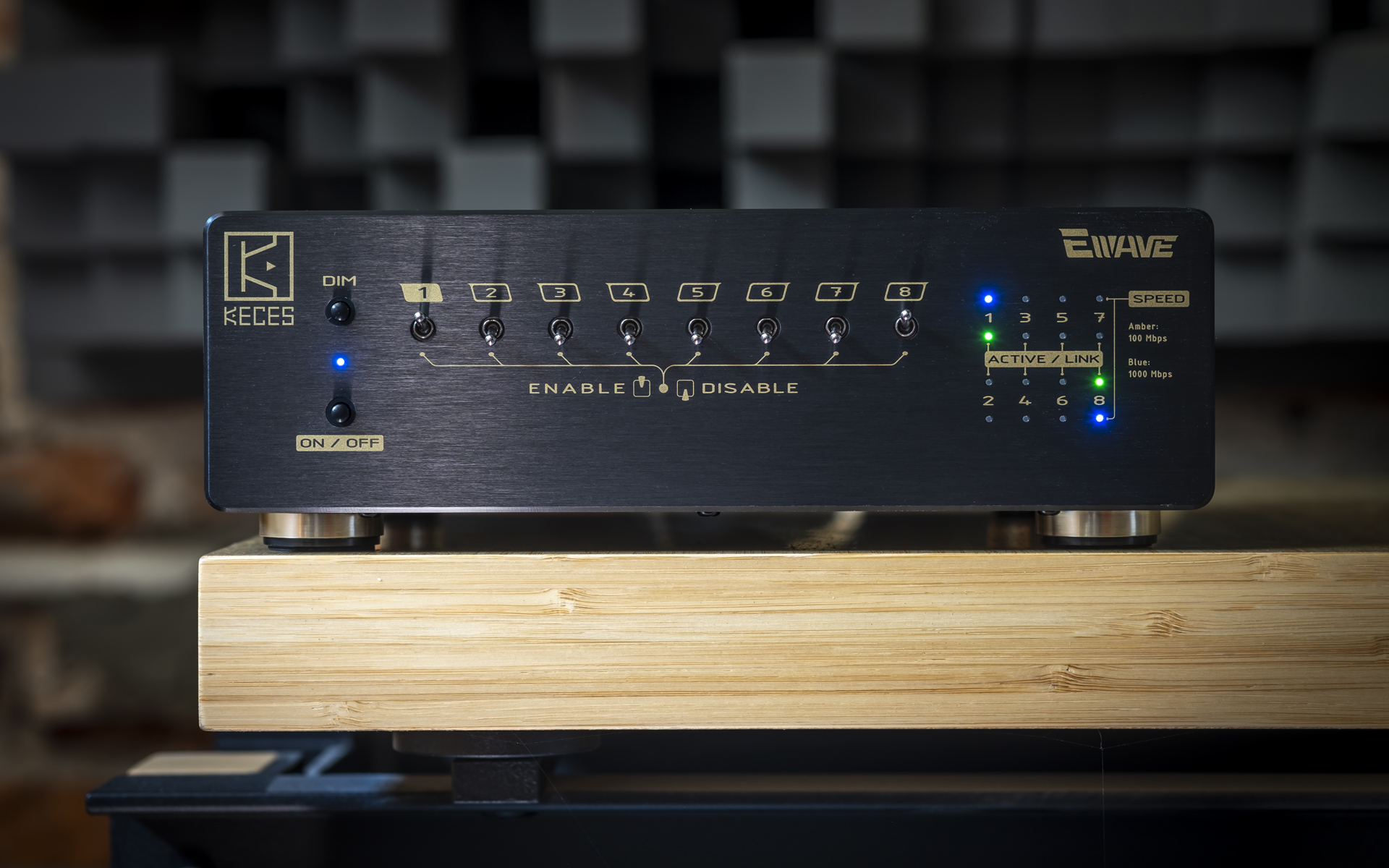
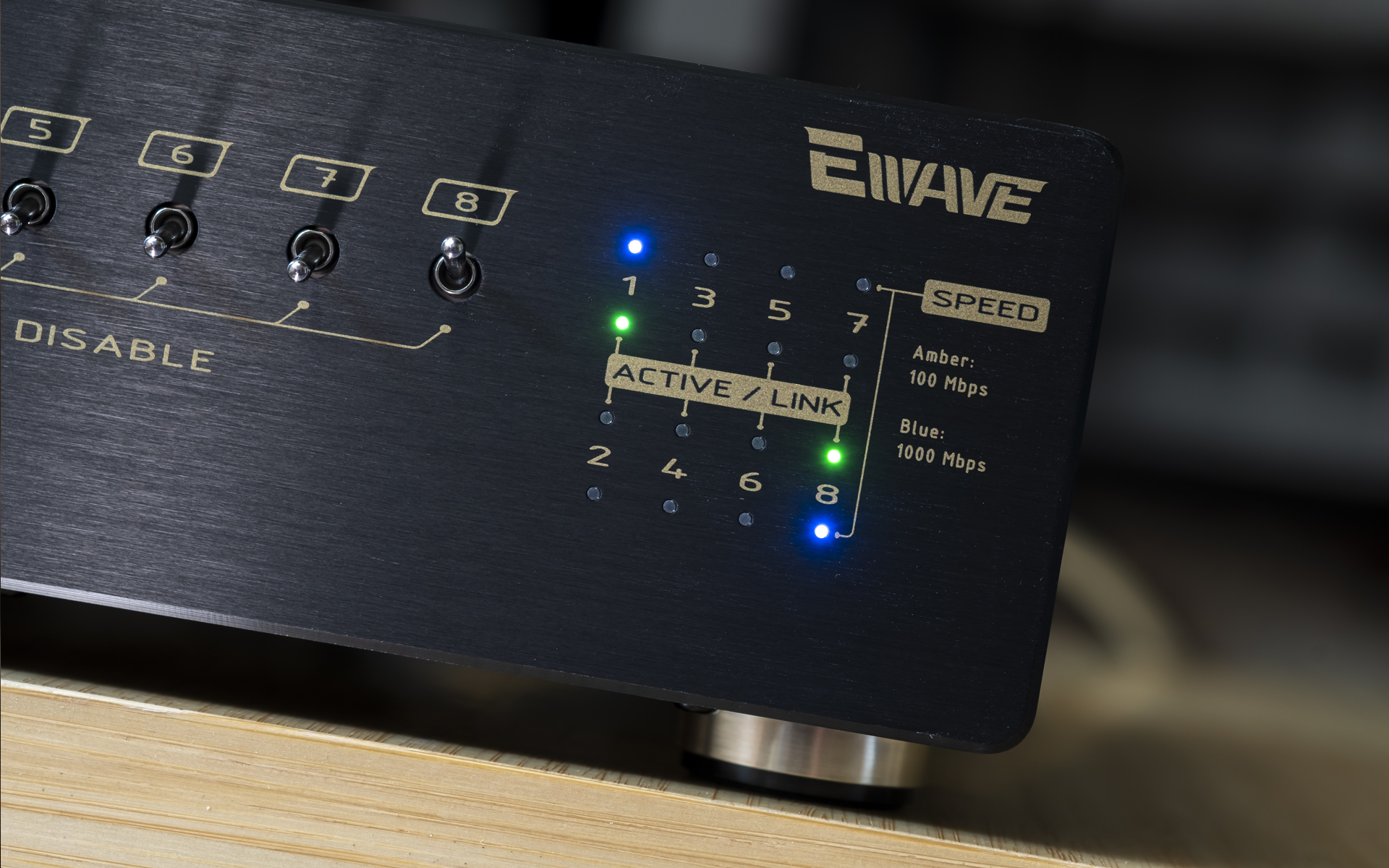
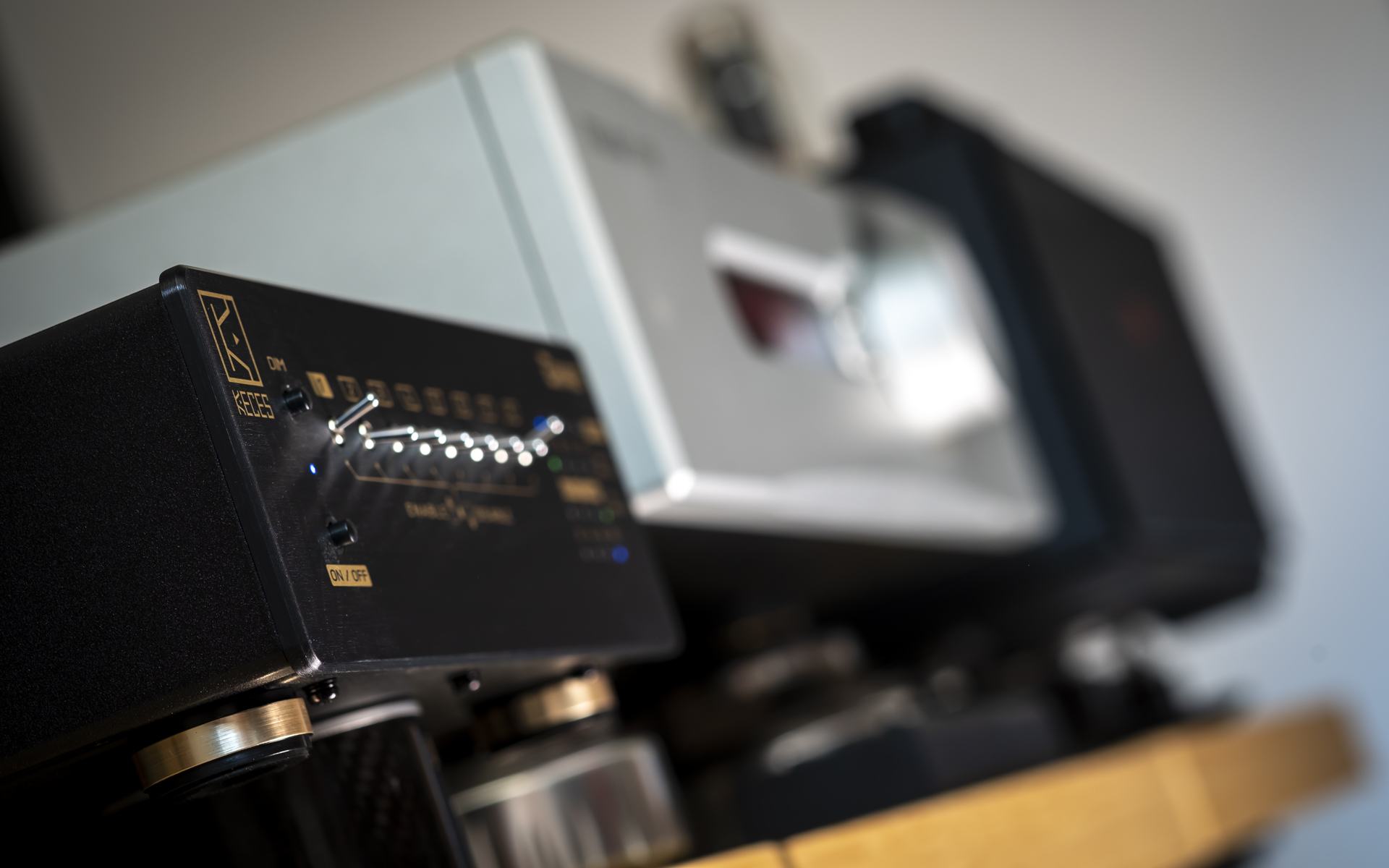
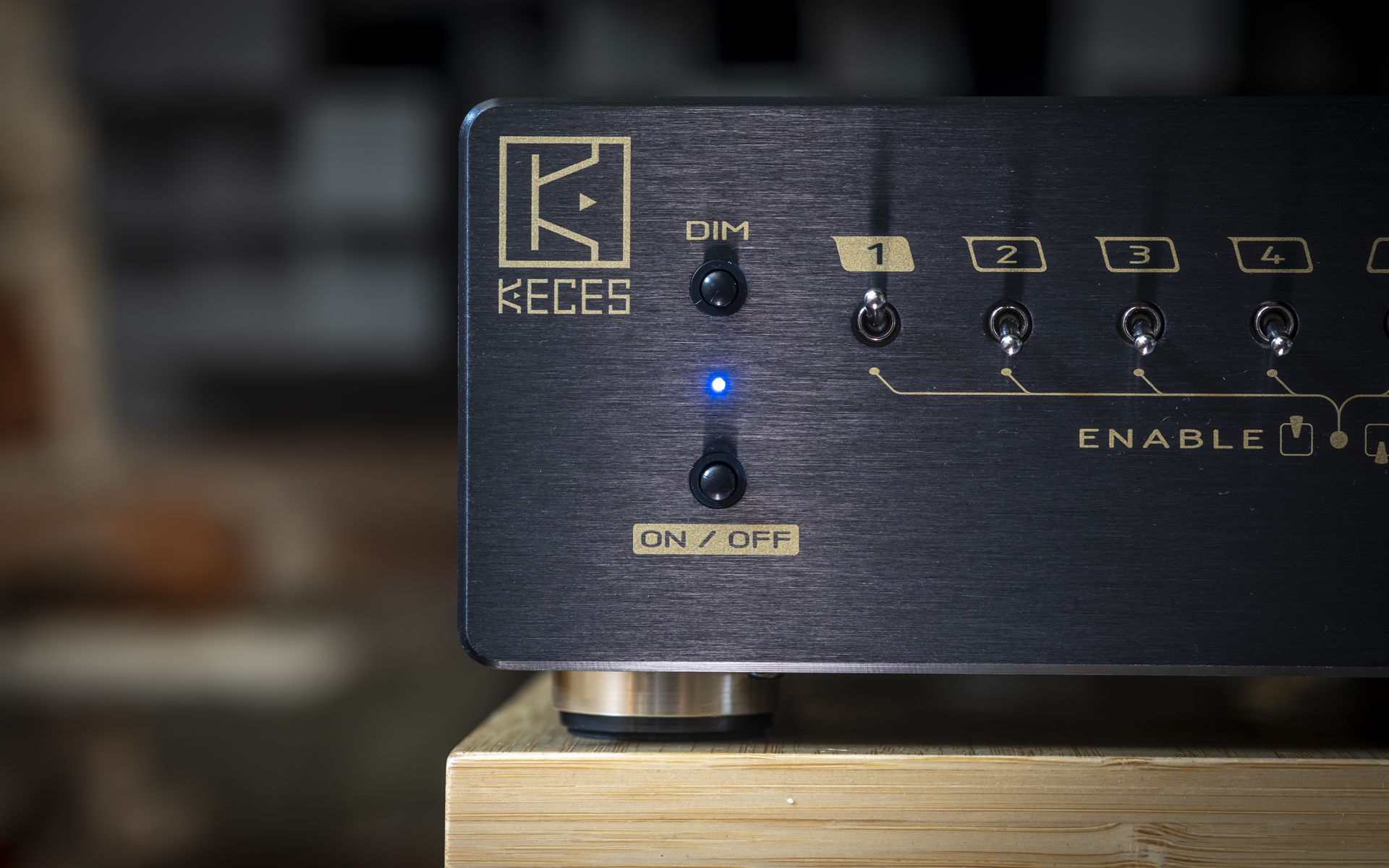
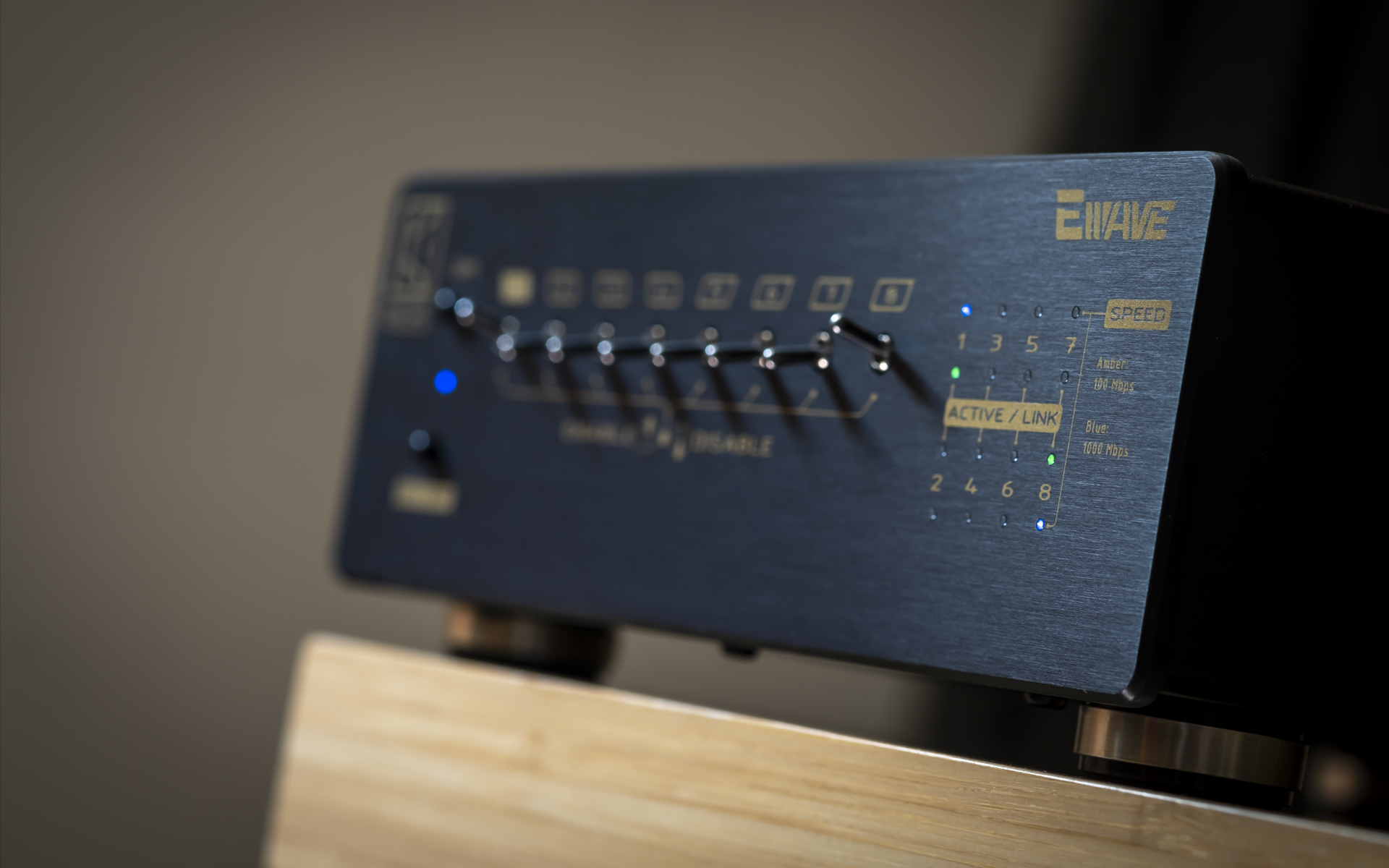
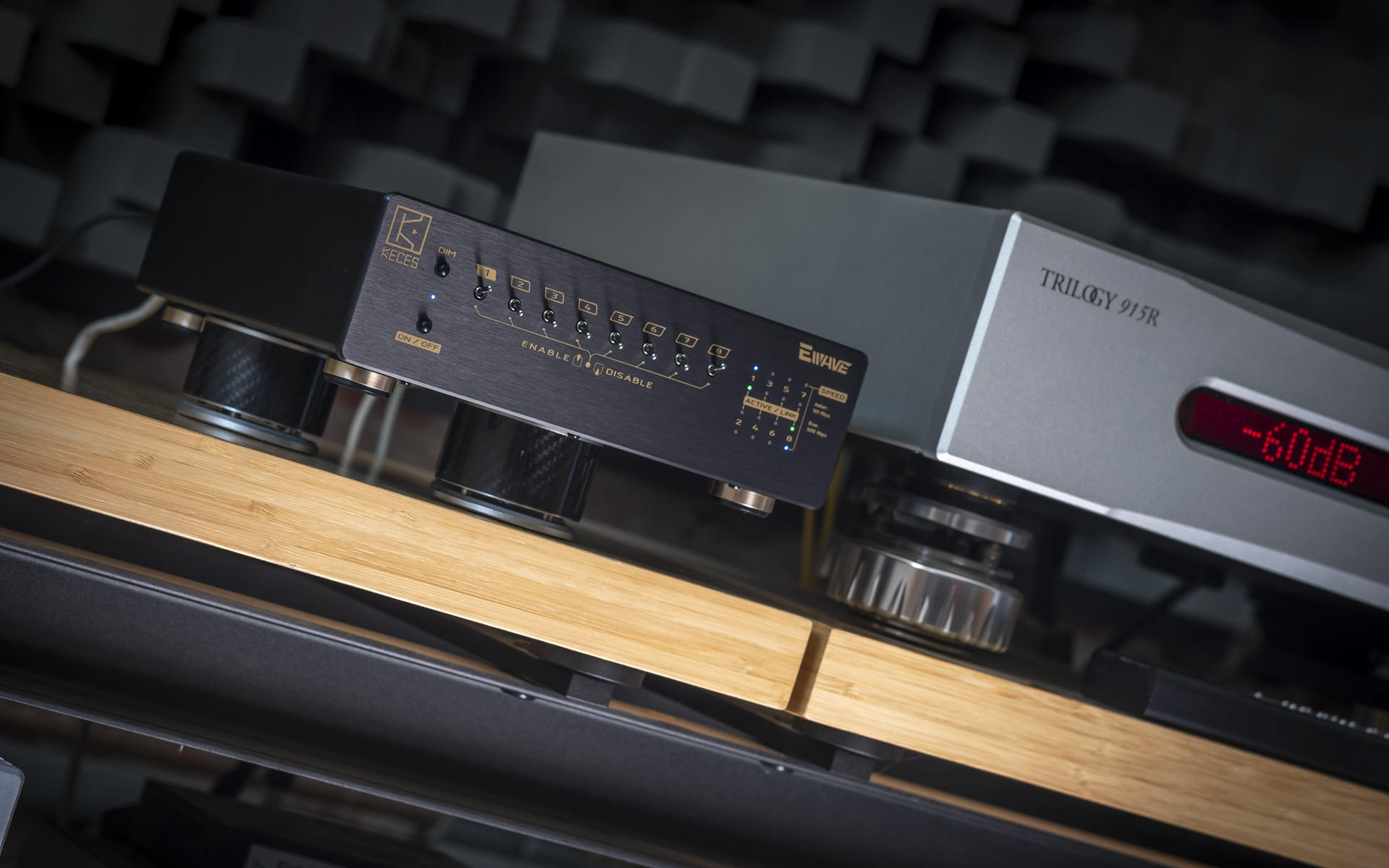
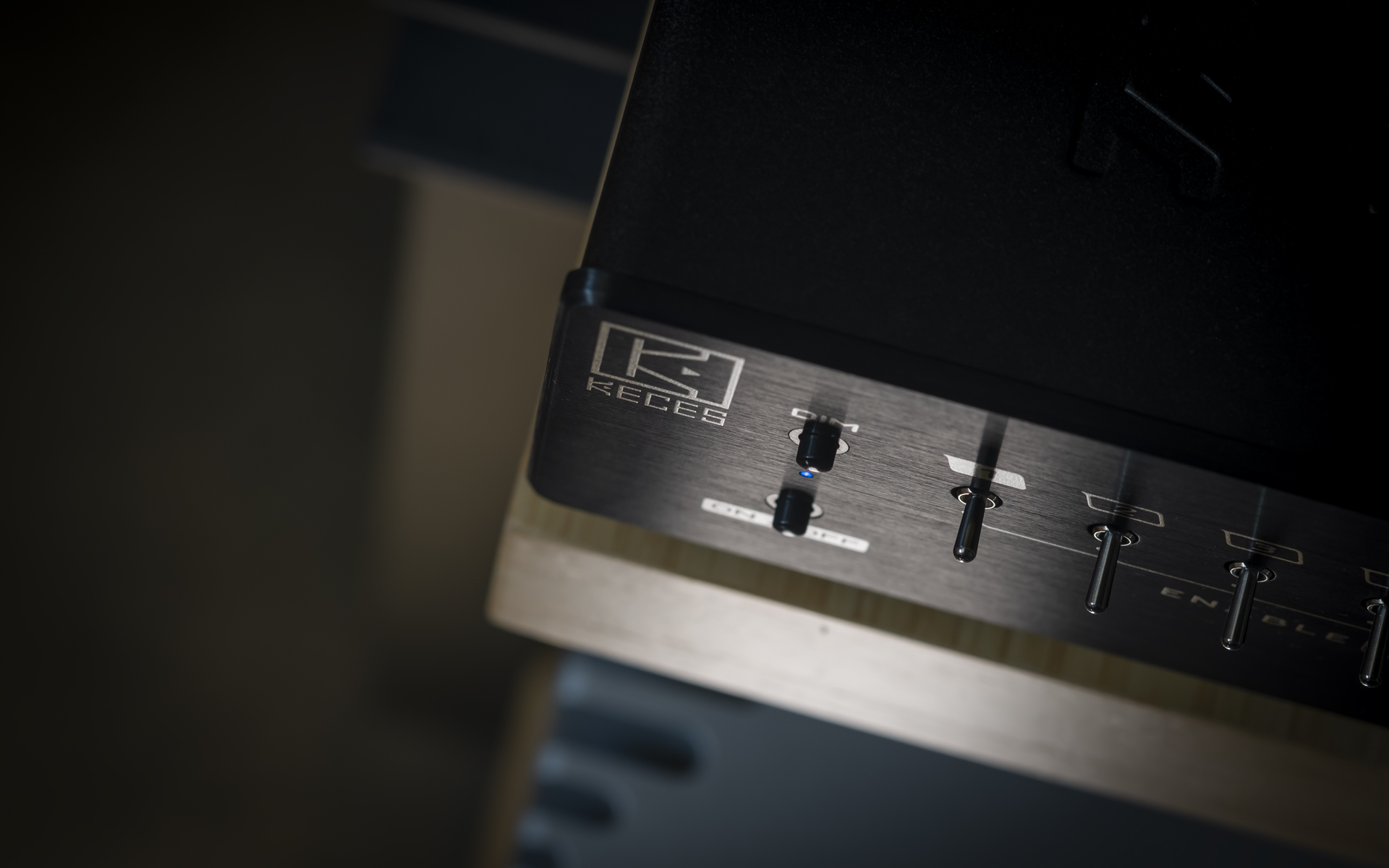
The Ewave belongs to KECES’ budget-oriented Essential Series, alongside the Euphony DAC, Ephono+ phono stage, and Ebravo streamer. Its front panel is machined from a thick slab of aluminum, while the remainder of the enclosure is made from steel. One folded panel forms the bottom and rear section, whereas another U-shaped piece creates the top cover and both side panels. There are no visual gimmicks here, nor any attempts to attract attention at all costs. Instead, what you get is a solid, purposeful enclosure that should provide many years of reliable service. Measuring 220 × 220 × 66 mm and weighing approximately 4 kg, the Ewave occupies the expected footprint for a component of this type, although it noticeably outweighs the vast majority of ordinary computer networking hardware. The entire chassis rests on four aluminum feet fitted with rubber inserts that effectively prevent the unit from sliding around on the equipment shelf.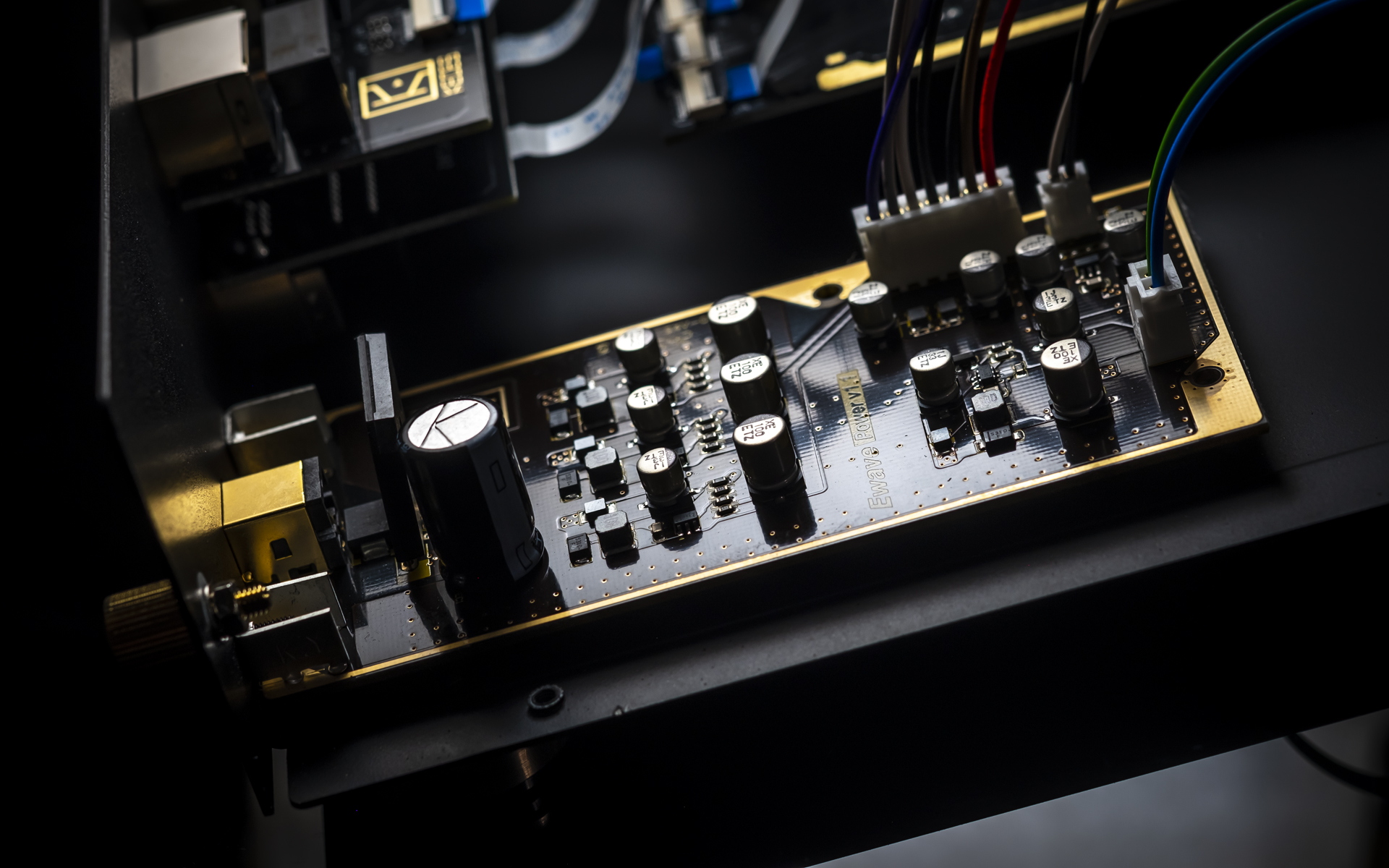 The lower button on the left side of the front panel serves as the power switch, while the upper one, labeled DIM, allows the user to dim or completely switch off the front-panel LEDs. Even then, the power indicator continues to blink gently every now and then to confirm that the unit remains switched on. Limiting light sources during evening listening sessions is simply convenient, although any audiophile will immediately point out a second reason. If the LEDs aren’t illuminated, they also aren’t being powered, meaning they no longer contribute their own electrical noise inside the chassis. Occupying the center of the front panel are eight miniature toggle switches, each assigned to one LAN port. Every switch allows the corresponding port to be individually enabled or disabled. This solution follows the very same philosophy as switching off the LEDs. If a particular circuit isn’t being used, KECES believes it shouldn’t remain active. A row of LEDs on the right indicates the status of each connection and its current data rate. The green LED confirms an active port, while amber and blue respectively indicate 100 Mb/s and 1000 Mb/s operation. Eight Gigabit RJ45 sockets on the rear panel support 10, 100, and 1000 Mb/s connections. KECES recommends connecting the cable coming from the router to LAN input number one, while the remaining ports are intended for networked audio devices. Also located on the rear panel are the 12 V DC power input and a grounding terminal for connecting an external ground wire. Everything is laid out logically, and the spacing between the RJ45 sockets provides ample room even for substantial audiophile Ethernet cables with oversized connectors.
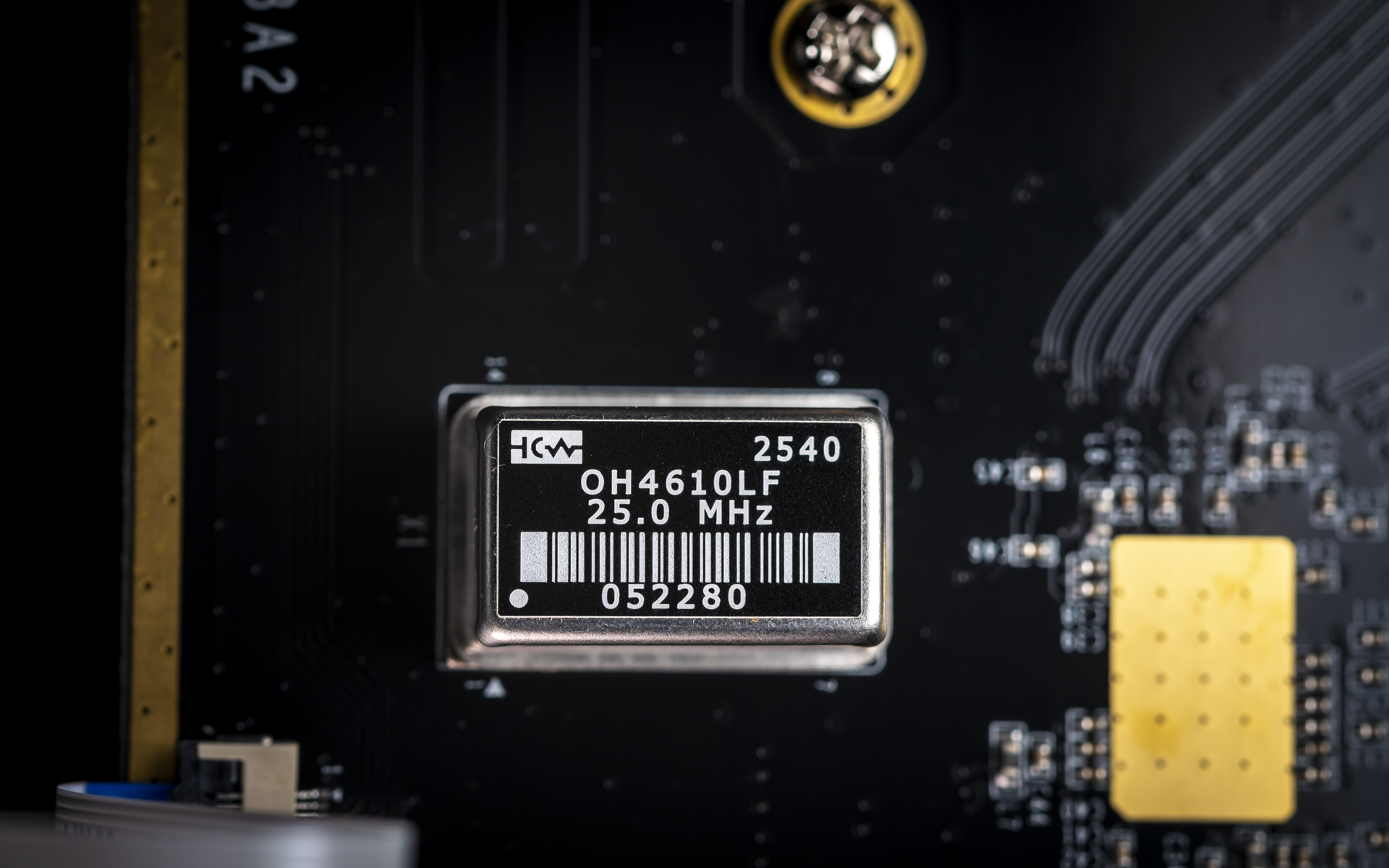
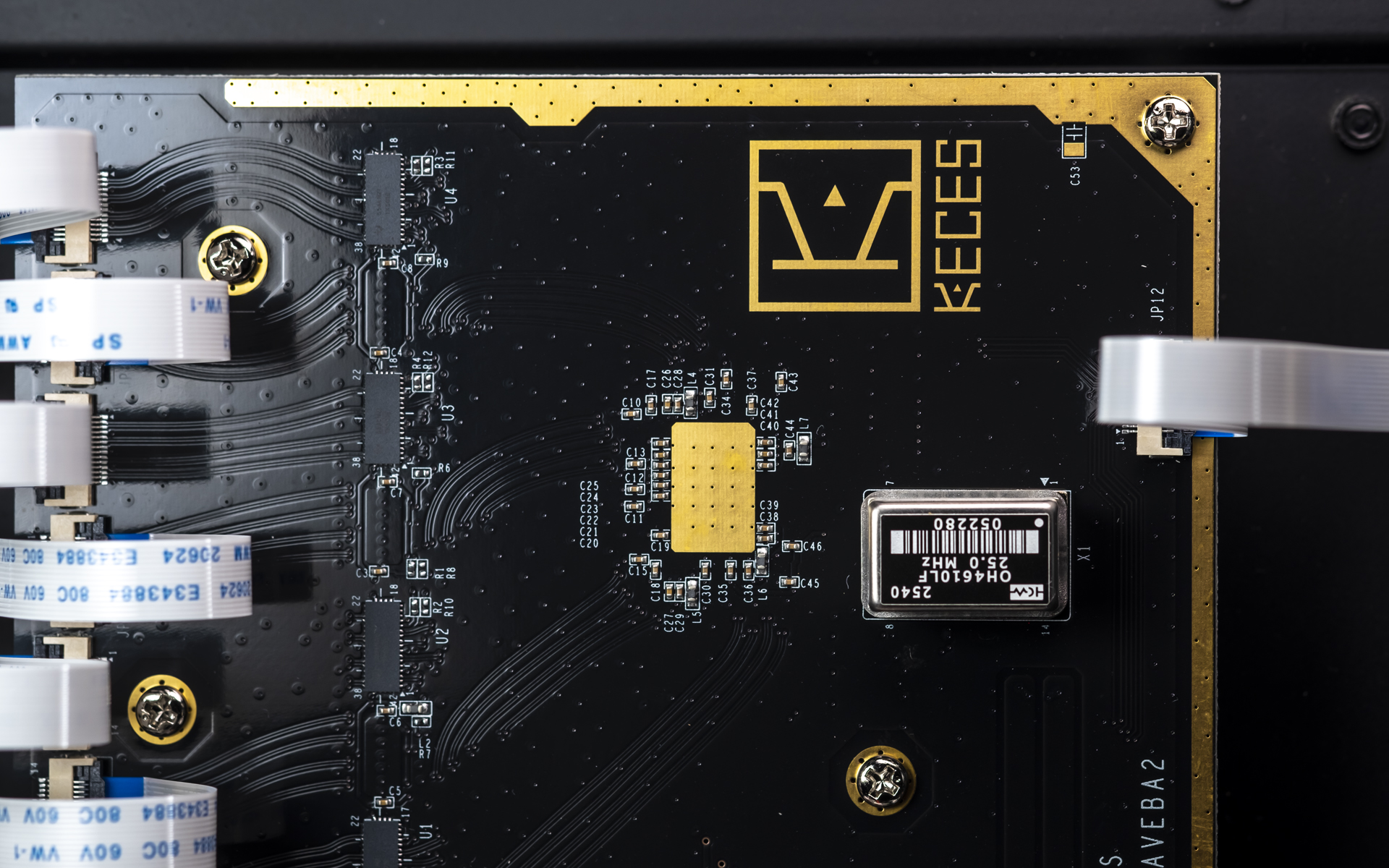
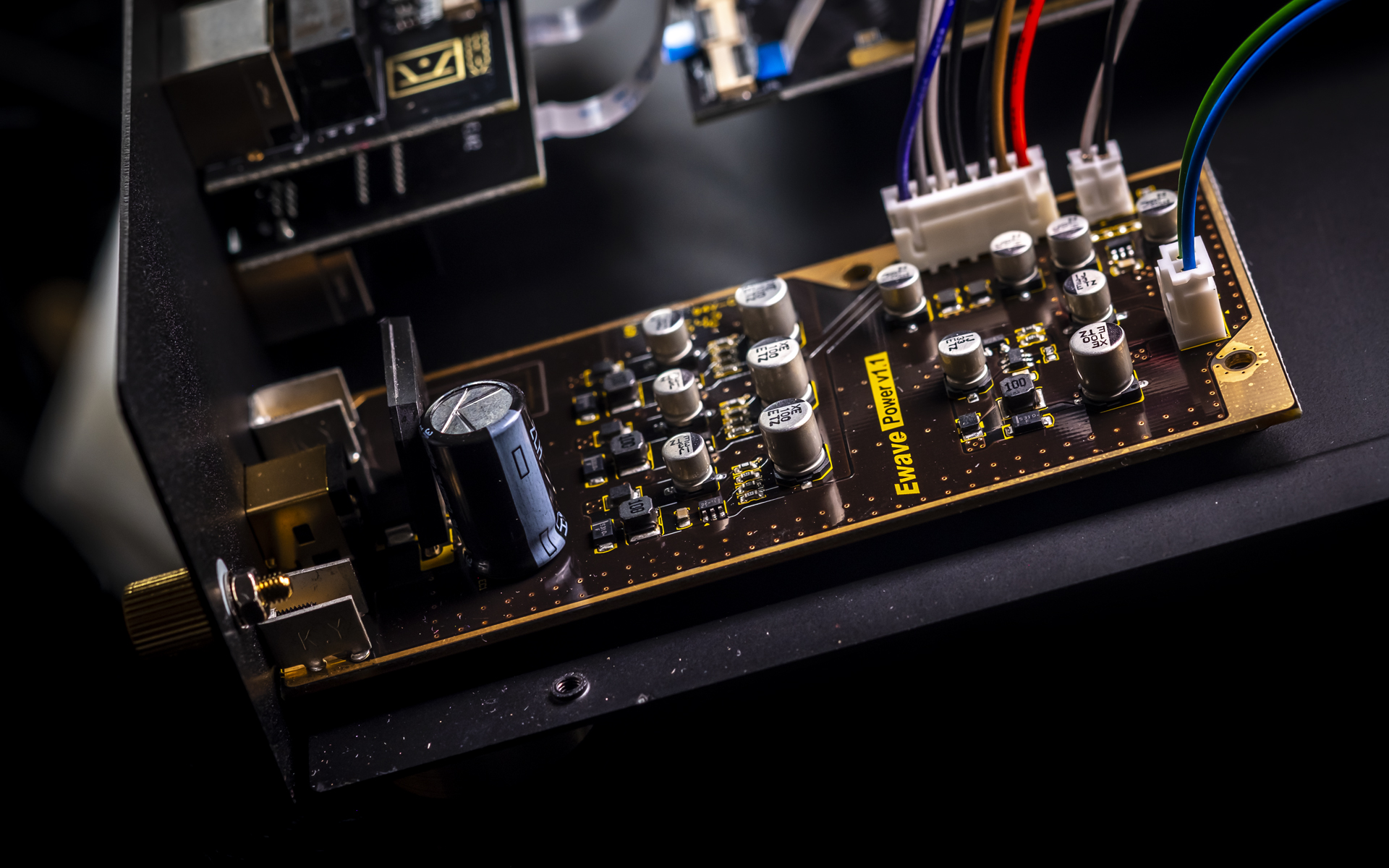
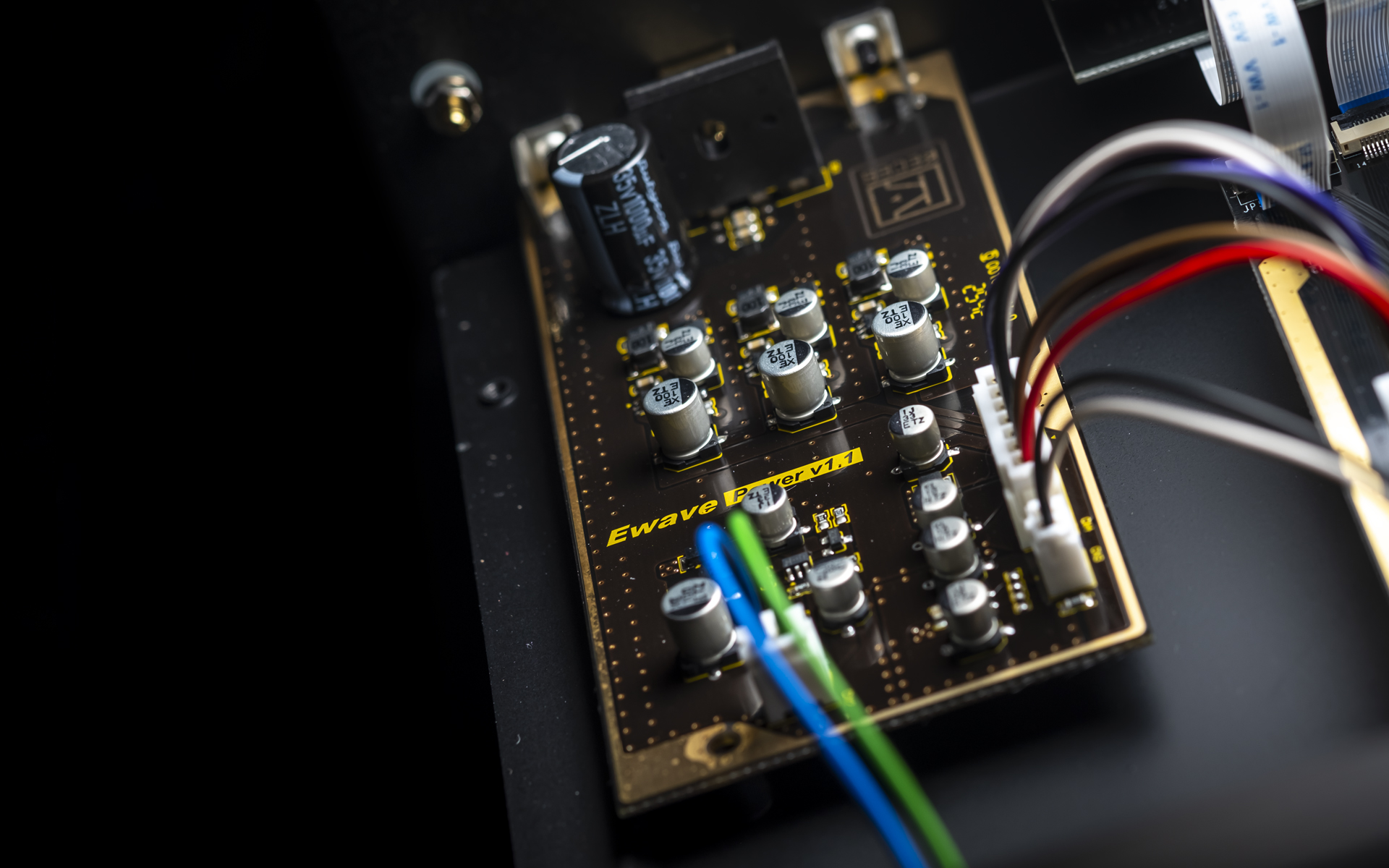
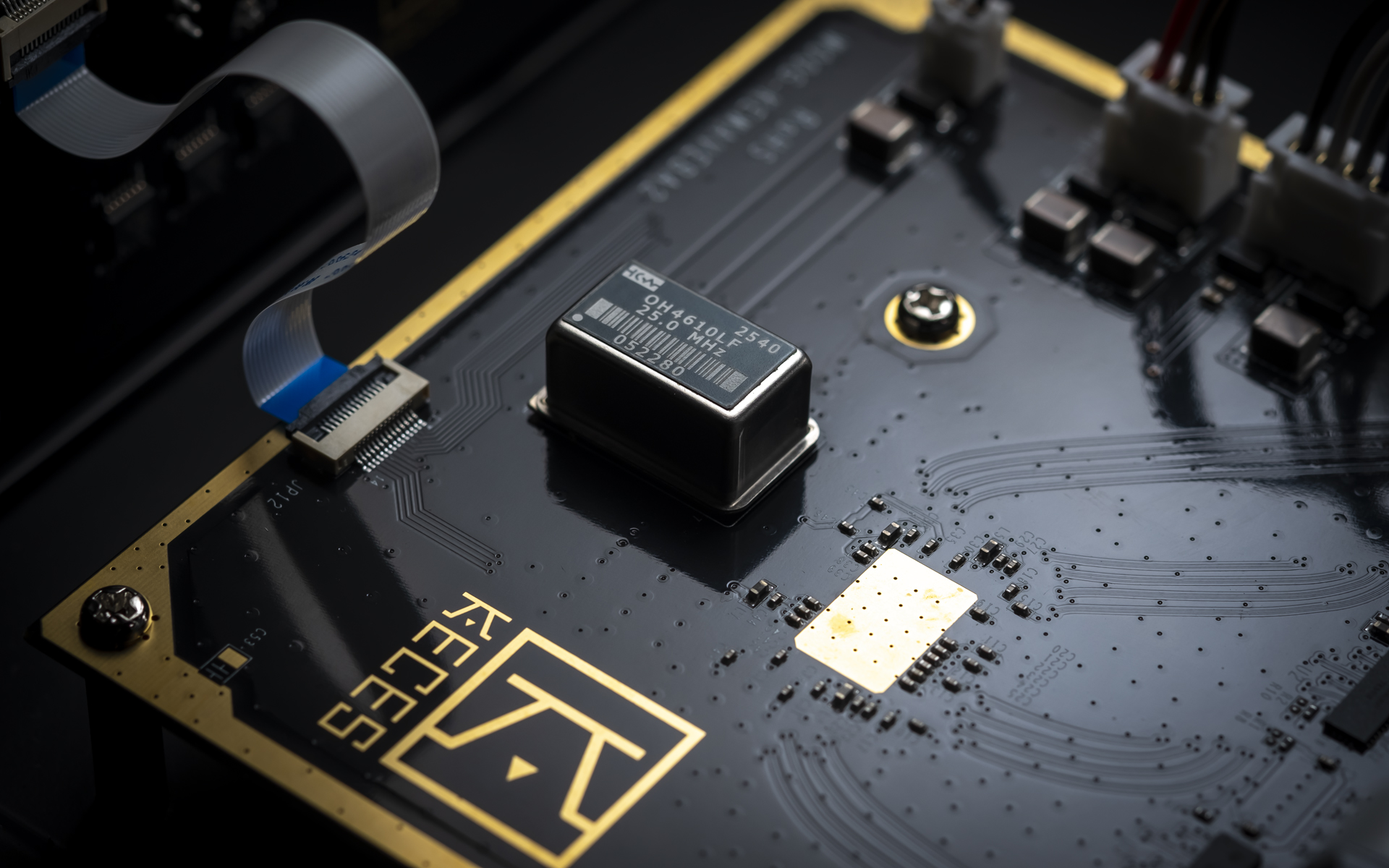
The most interesting part, however, lies beneath the lid. It immediately becomes apparent that the Ewave is neither another off-the-shelf computer switch hidden inside a prettier enclosure nor a modified industrial design sourced from Cisco or any other networking manufacturer. KECES developed it from the ground up, creating its own architecture and printed circuit board layout. The interior is divided into two clearly separated sections. On the left resides a dedicated power supply module labeled Ewave Power v1.1, while the right half of the enclosure houses the main motherboard responsible for all networking functions. The two sections are physically isolated from one another. The power supply module is far more than a simple board carrying a DC input socket; it incorporates several independent stages of voltage filtering and regulation. This corresponds directly with KECES’ claim that the switching circuitry, microcontroller, OCXO oscillator, and both the input and output stages all receive individually regulated power rails.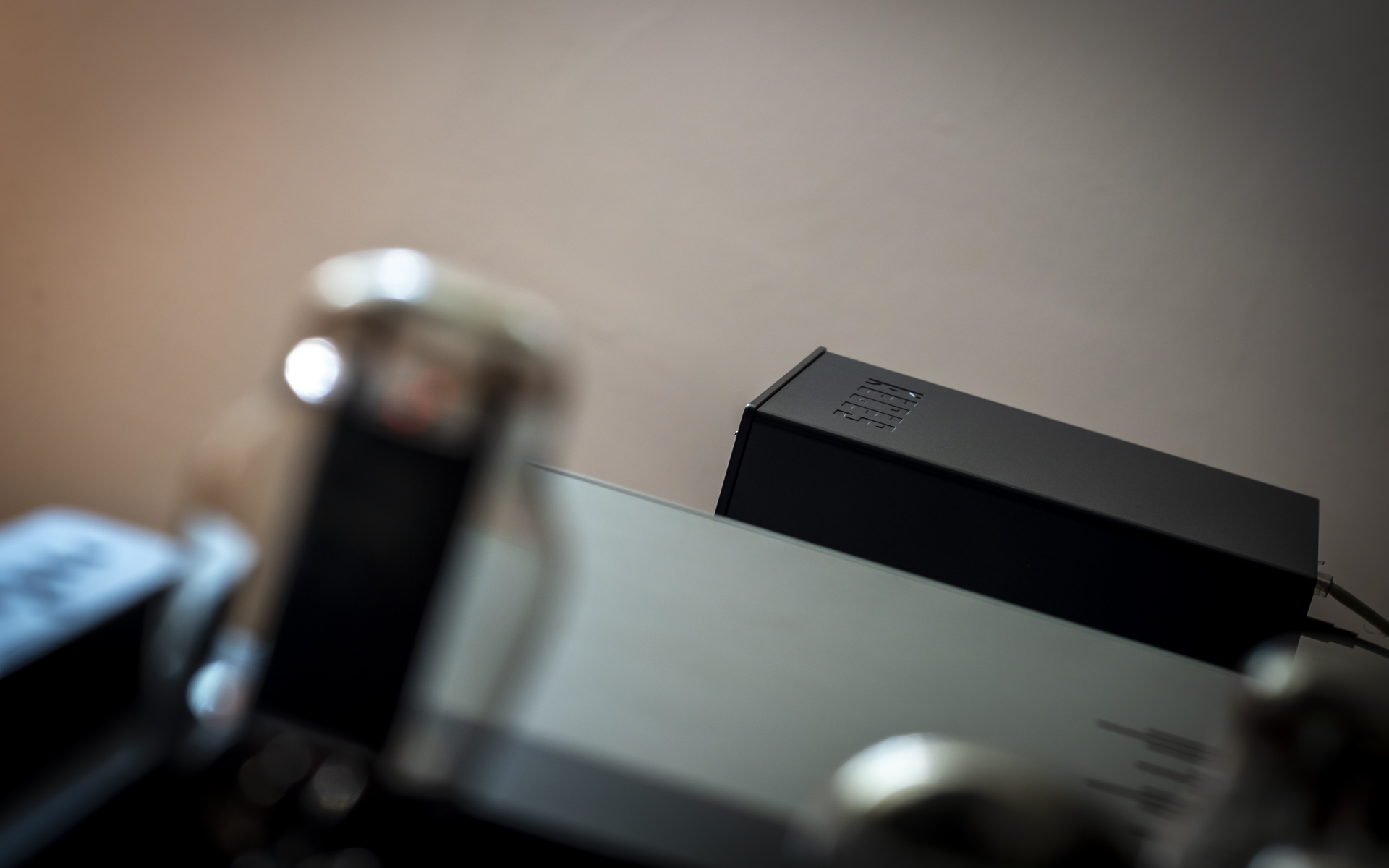 The networking section is equally interesting. Rather than mounting the RJ45 sockets directly onto the main PCB, KECES placed them on a separate vertical daughterboard connected to the motherboard via wide FFC ribbon cables. The result is an interior that looks exceptionally clean and distinctly modular. Another detail that caught my attention was the 25 MHz OCXO oscillator manufactured by Connor-Winfield. Interestingly, Innuos also relies on oscillators from the same company, and it’s difficult to regard that as mere coincidence. Connor-Winfield has specialized for decades in high-precision timing devices designed for applications demanding excellent frequency stability and extremely low phase noise. In the Ewave, such an oscillator synchronizes the operation of the entire networking section. Looking at the overall construction, one cannot help but feel that the designers started with a blank sheet of paper rather than an industrial switch catalog. Regardless of how one ultimately evaluates its sonic performance, the Ewave genuinely looks like a product conceived from the outset specifically for high-end audio instead of a computer networking device repurposed for audiophile duty.
The KECES Ewave was evaluated against my rather seasoned Fidelizer EtherStream, which has served in my reference system for several years. It is worth mentioning that the EtherStream is not an original Fidelizer design, but a modified version of Cisco’s SG110D-08 platform. Both switches were placed between my router and the Innuos Statement Next-Gen server/streamer, which delivered the signal via USB to the LampizatOr Horizon360 DAC. Downstream, the system consisted of the Trilogy 915R/995R pre/power combination driving sound|kaos Vox 3afw loudspeakers. Both the KECES Ewave and the Fidelizer EtherStream were powered by the standard DC power supplies included by their respective manufacturers. I deliberately refrained from using any external linear power supplies or additional accessories, as I wanted to evaluate both products exactly as they are delivered to the customer. Swapping one switch for the other amounted to nothing more than reconnecting a single RJ45 cable and restarting the Innuos Sense application on my smartphone. Apart from that, the rest of the system remained completely unchanged.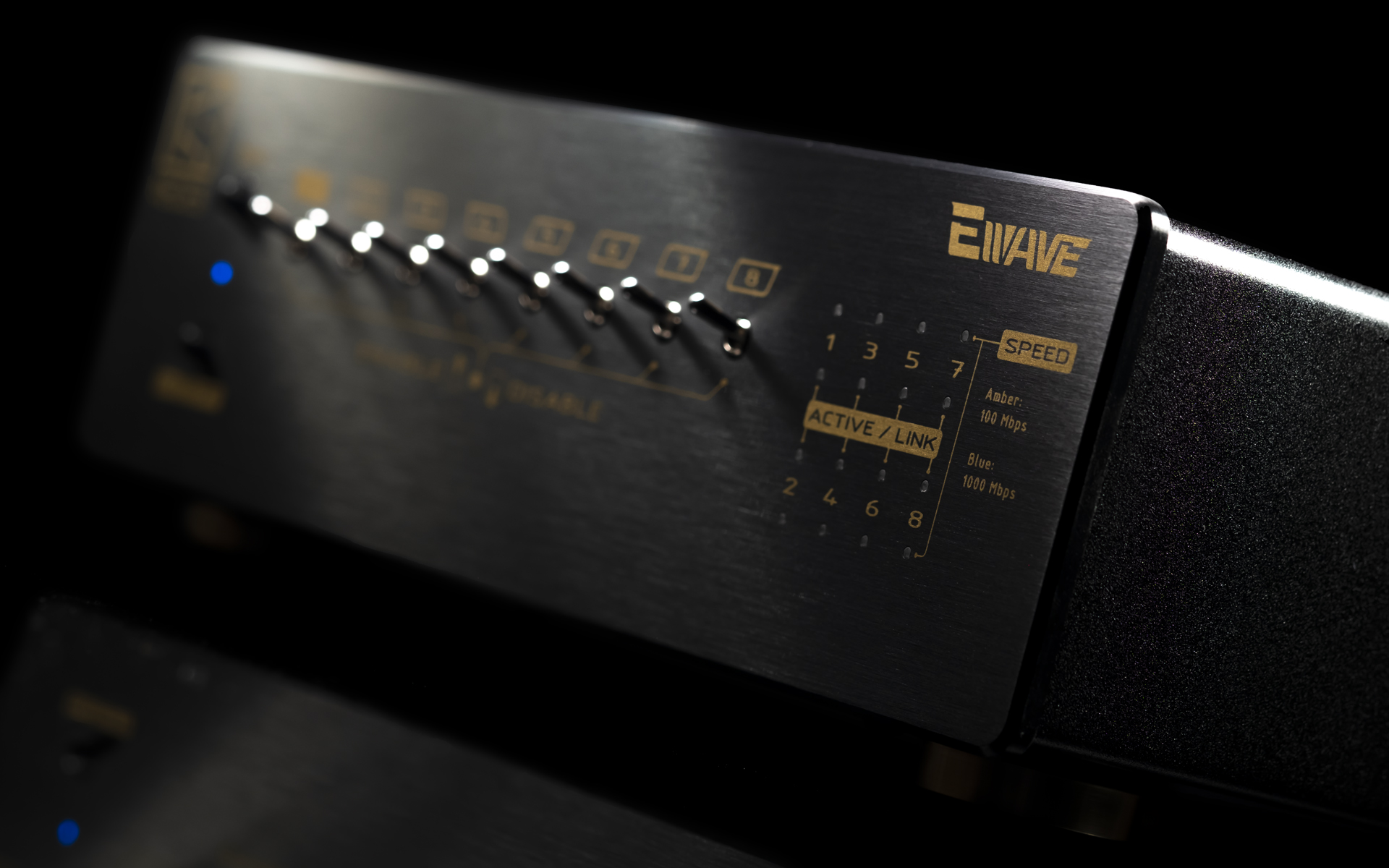 Before discussing the Ewave itself, it is worth explaining what one can realistically expect from a LAN switch designed specifically for audio applications. The first impression is often that the entire system has quietly taken a step back. This, however, is merely a fleeting sensation that quickly gives way to more tangible improvements. Bass reaches deeper while gaining better control and more clearly defined contours. It becomes tighter, more precise, better anchored, yet also appears faster and more responsive. As a result, the listening room itself seems to exert less influence over the lowest frequencies. Overall clarity also improves, though not because the sound becomes brighter, but because the amount of interference has been reduced. Vocals and instruments gain greater density, richer tone colours, and smoother articulation while simultaneously shedding the subtle grain and roughness that had previously gone unnoticed. The background grows darker and calmer, making fine details easier to perceive and follow, while the soundstage becomes more orderly in the sense that individual virtual images are more distinctly separated, easier to locate, and better contrasted against their surroundings. None of these changes is particularly dramatic on its own, yet when they occur simultaneously, they combine into a presentation that is more transparent, organized, and resolving. The better engineered the network switch, the easier this overall effect becomes to hear.
My previous experience with audiophile LAN switches meant that I approached the Ewave with a fairly well-established frame of reference. Similar observations accompanied my time with the Fidelizer EtherStream and the Telegärtner M12 Switch Magic, including its Gold version, both of which steered my system in essentially the same sonic direction despite their very different construction. Interestingly, their influence closely resembles what high-quality USB accessories or well-designed power products are capable of delivering. That can hardly be a coincidence. Wherever unwanted noise manages to enter an audio system, its effects tend to manifest themselves in much the same way. Images become paler, their outlines grow unnaturally emphasized, the soundstage flattens, and bass loses part of its authority. Music then begins to sound mechanical, dry, and somewhat constrained. The treble turns slightly edgy, while the overall presentation shifts away from calmness and naturalness toward tension and restlessness.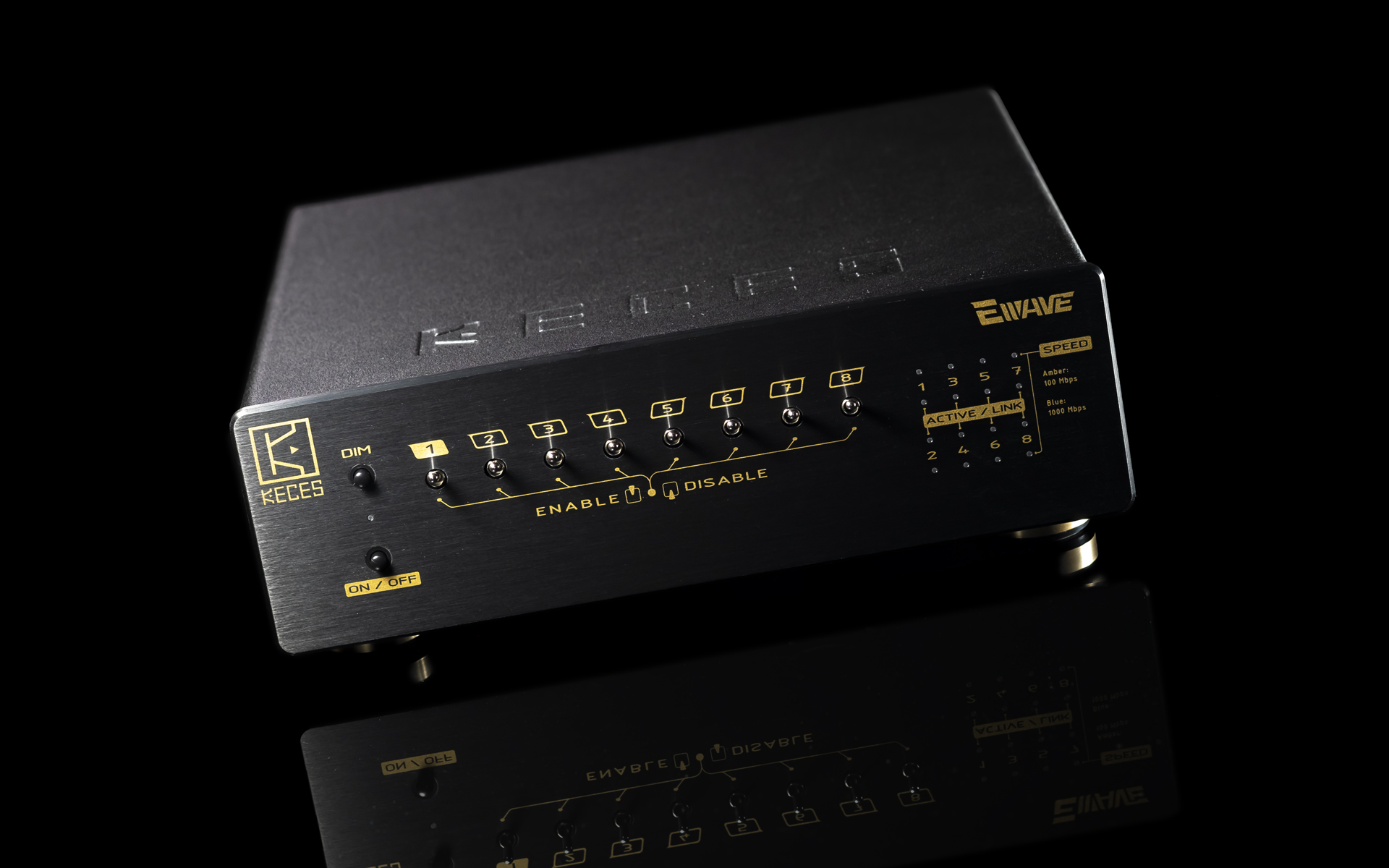 Rather than redefining what a good audiophile LAN switch should do, the KECES Ewave confirmed every one of these observations while taking my system even further toward tonal richness, transparency, and composure. It also reinforced my belief that eliminating what has no place in an audio system is every bit as important as extracting the maximum potential from the components themselves. In terms of the improvements described above, the Ewave performed remarkably similarly to the Fidelizer EtherStream that has served my system for nearly six years. All it took was removing either switch and connecting the Innuos server directly to the router. The result was entirely predictable and fully consistent with everything described above, leaving me in no doubt that KECES has built a product that fulfills exactly the purpose for which it was designed.
One might therefore conclude that the Ewave and the Fidelizer essentially accomplish the same thing. At the most fundamental level, that is indeed the case, but the similarities end there. It took very little time for me to realize that the Ewave takes my system in a somewhat different direction, and one that I personally find decidedly more appealing. With the KECES in place, the sound became more substantial and more firmly grounded. There was greater weight throughout the frequency range, accompanied by a clearly improved low end. Bass became shorter, better controlled, and more authoritative, making the entire musical presentation feel livelier, freer, and more dynamically expressive. Perhaps the biggest impression, however, came from the region between the loudspeakers, where vocals gained a markedly greater sense of physical presence, immediacy, and emotional engagement. In this respect, the difference was genuinely substantial.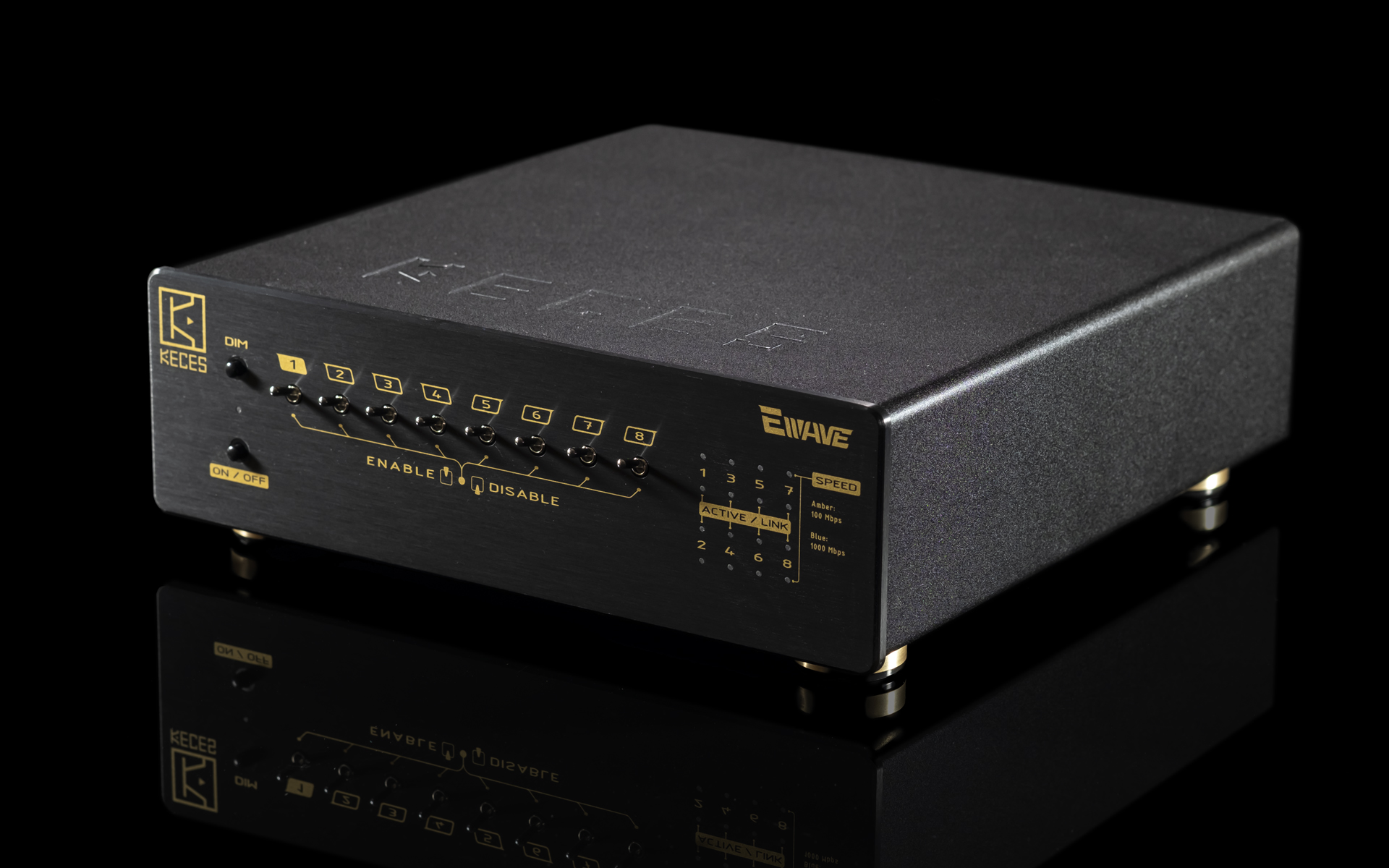 With the Fidelizer, my system sounded leaner, brighter, and just a little nervous by comparison. After several days of switching back and forth, I had no doubt that I preferred the KECES, although the outcome itself came as no surprise. My reference LAN switch is, after all, based on a modified Cisco platform dating back to around 2019. Seven years is a very long time in the world of digital audio, and one should reasonably expect meaningful progress during that period. In my opinion, the Ewave demonstrates exactly that. On one hand, it is a considerably more expensive product, so expecting larger and more readily audible gains is perfectly justified. On the other, it is a clean-sheet design developed from the ground up exclusively for high-end audio applications.
For me, however, something else matters even more. My system simply sounds worse without a dedicated LAN switch. Full stop. While the Fidelizer EtherStream unquestionably improves the situation, replacing it with the Ewave brought a considerably larger improvement than the original step from a direct router connection to the Fidelizer itself. In my opinion, this is precisely how products of this kind should scale relative to their asking price. Anyone moving from a LAN switch costing several times less to the Ewave should receive a correspondingly meaningful and easily recognizable increase in sound quality. That is exactly what happened in my system, and for that reason I consider the KECES Ewave entirely fairly priced in relation to its capabilities. Let’s wrap.
In digital audio, expensive cables, vibration-control platforms, linear power supplies, or LAN switches are by no means essential purchases. They are accessories. Your system will happily play music without them, and if that level of performance is entirely satisfying, there is nothing wrong with leaving things exactly as they are. If, however, the goal is to extract every last bit of performance from your key components by gradually eliminating everything that limits their potential, then the KECES Ewave deserves serious consideration. The list of improvements it introduces is long, readily audible, and, most importantly, consistently positive. It is also a one-time investment and, to a large extent, one that is largely future-proof. The Ewave will continue performing exactly the same task regardless of how many times you replace your streamer, DAC, amplifier, or loudspeakers. To stress that point, the Fidelizer EtherStream survived the replacement of the overwhelming majority of components in my reference system over the nearly seven years it has been in service. The Ewave is clearly the superior device, so I have little doubt it will prove just as enduring a companion in many systems. In my opinion, it is a safe long-term investment, built to last, and simply worth its asking price.
Associated equipment:
- Amplifiers: Trilogy 995R, FirstWatt F7, Enleum AMP-23R
- DAC: LampizatOr Horizon360 (Stradi 5U4G + Psvane Summit 4x KT88 / 2x 6SN7)
- Loudspeakers: Boenicke Audio W11 SE+, sound|kaos Vox 3afw
- Transport: Innuos Statement Next-Gen, fidata HFAS1-S10U (on standby)
- Preamplifiers: Trilogy 915R, Thöress DFP
- Speaker cables: Boenicke Audio S3, LessLoss C-MARC
- Headphones: HIFIMAN Susvara Unveiled, Campfire Audio Cascade, Vision Ears VE5
- Loudspeaker signal conditioners: LessLoss Firewall for Loudspeakers, Boenicke ComDev
- Vibration-control accessories: 6x Carbide Base Diamond (under the streamer), 6x Carbide Base Micro Diamond with TwinDamp inserts and spikes (under the DAC and preamplifier), Stack Audio Auva 70 (under the loudspeakers), 12x LessLoss Giant Steps (under the streamer, DAC, and preamplifier), sound|kaos Vibra 68/30 (on standby), Virtual HiFi Vibron M/L/XL (on standby), Stack Audio Auva EQ (on standby)
- Interconnects: LessLoss Entropic Process C-MARC, Boenicke Audio IC3 CG
- Power: Gigawatt PC-3 SE EVO+/LC-3 EVO, LessLoss C-MARC, LessLoss Entropic C-MARC, LessLoss Stellar C-MARC, LessLoss Power Distributor -> Boenicke Audio Power Gate, ISOL-8 Prometheus, LessLoss Firewall 640x Stellar
- USB cable: AudioPhonique Desire USB
- Equipment rack: Franc Audio Accessories Wood Block Rack 1+3
- Network: Fidelizer EtherStream, Linksys WRT160N
- Music: NativeDSD
Retail prices of reviewed components in EU (incl. VAT):
- KECES Audio Ewave: €1’499
Manufacturer: KECES